
 English
 中文简体
中文简体 Español
 عربى
عربى
Aluminium Foil Seal Liner Guide: Structure, Function, Selection
 2026.07.15
 Industry News
Content
- 1 What an Aluminium Foil Seal Liner Actually Does
- 2 Layer Structure — What the Liner Is Made Of
- 3 How Induction Sealing Creates the Bond
- 4 Technical Specifications and Key Performance Factors
- 5 Seven Practical Benefits of Using a Foil Seal Liner
- 6 Which Containers and Applications Suit a Foil Liner
- 7 Foil Liner vs. Other Liner Types
- 8 Selection Considerations for Matching a Liner to a Product
- 9 How the Sealing Process Works in Practice
- 10 Common Causes of Air Leaks and How They're Avoided
- 11 Conclusion
- 12 Frequently Asked Questions
What an Aluminium Foil Seal Liner Actually Does
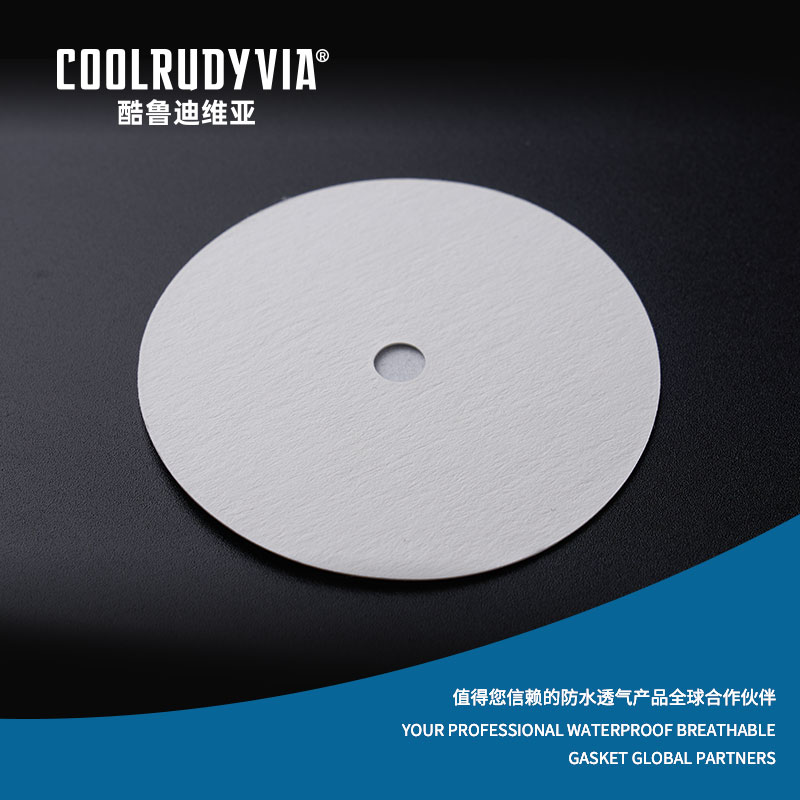
An Aluminium Foil Seal Liner is a thin composite disc placed inside a bottle, jar, or container cap that bonds to the container's rim when heat is applied, forming a continuous barrier across the opening. Unlike a cap alone, which only provides mechanical closure, the liner creates a hermetic seal that keeps the contents isolated from outside air until the seal is deliberately broken. This distinction matters in practice: a cap can be screwed on tightly and still allow slow air exchange through the thread gap, while a correctly bonded foil liner closes that gap entirely.
The liner is typically supplied pre-attached to the inside of the cap, so it travels through the filling line already positioned. Once the cap is applied to a filled container and passed under an induction sealing head, the aluminium layer inside the liner heats rapidly, melts the adhesive layer beneath it, and fuses to the container finish. The result is a flat, continuous foil membrane sealed directly to the container mouth, independent of the cap's own fit.
This function is why the liner is treated as a separate engineering component rather than a packaging accessory. Its material composition, thickness, and coating determine whether a container holds its contents reliably over months of storage, transport, and handling.
Layer Structure — What the Liner Is Made Of
A standard foil seal liner is built from several thin layers laminated together, each with a distinct job. Understanding this structure explains why liners behave differently depending on the product they're sealing.
- Backing layer — usually pulp board or foam, which sits against the inside of the cap and gives the liner enough rigidity to stay flat during handling.
- Wax or adhesive layer — a thin coating that separates the backing from the foil and melts under induction heat, allowing the foil to release from the backing and bond to the container.
- Aluminium foil layer — the component that absorbs the induction field's energy and generates the heat needed to activate the adhesive beneath it.
- Heat-seal coating — a polymer layer on the underside of the foil that melts and fuses directly to the container's rim, forming the actual seal.
Some liners add a release layer between the backing and the foil, so that after sealing, the paperboard backing stays attached to the cap while only the thin foil-and-coating membrane remains bonded to the container. This "pulp-out" design is common on consumer goods where the backing disc separating away cleanly, leaving a flat foil seal, is part of the expected user experience.
How Induction Sealing Creates the Bond
Induction sealing relies on electromagnetic energy rather than direct contact heat. A sealing head positioned above the capped container generates a rapidly alternating magnetic field. As the container passes beneath it, the aluminium foil inside the liner intercepts this field and heats through induced eddy currents — the same physical principle used in induction cooktops.
Because only the conductive foil layer heats up, the process is fast and localized. Within a fraction of a second, the heat-seal coating on the underside of the foil reaches its melting point and flows into the microscopic texture of the container's rim. As the container moves away from the field and cools, the coating solidifies, locking the foil permanently in place.
This mechanism has two practical implications for container design. First, the container material at the sealing surface must allow the coating to wet and bond properly — this is why rim finish quality is checked as part of liner selection. Second, the cap must be applied with consistent, correct torque before sealing; if the cap sits loosely, the liner may not make even contact with the rim, producing a weak or partial bond.
Technical Specifications and Key Performance Factors
Liners are specified by a combination of physical and performance parameters. The table below summarizes the factors most commonly referenced when matching a liner to a container and filling line.
| Parameter | Typical Range | Why It Matters |
|---|---|---|
| Overall liner thickness | 0.3 mm – 1.2 mm | Affects cap clearance and sealing consistency |
| Aluminium foil gauge | 0.02 mm – 0.05 mm | Determines induction responsiveness and seal strength |
| Heat-seal coating type | Polyethylene, EVA, ionomer | Determines chemical compatibility with contents |
| Sealing temperature range | 150°C – 210°C | Must match filling-line induction settings |
| Backing material | Pulp board, foam, paperboard | Affects cap fit and moisture sensitivity |
| Diameter range | 18 mm – 120 mm | Must match the container neck finish exactly |
Two containers with the same neck diameter can still require different liner specifications if their contents differ chemically. A liner suited to an aqueous product may not resist an oil-based or solvent-based formulation, which is why coating chemistry is checked independently of physical fit.
Seven Practical Benefits of Using a Foil Seal Liner
- Tamper evidence. An intact foil membrane gives an immediate, visible sign that a container has not been opened, without relying solely on a separate tamper band.
- Leak prevention during transport. The bonded foil closes the gap that a cap thread alone cannot, reducing the risk of spillage when containers are shipped on their sides or handled roughly.
- Extended shelf stability. By blocking oxygen and moisture ingress, the liner slows oxidation and degradation reactions that would otherwise shorten product life.
- Protection against contamination. A sealed container resists dust, insects, and airborne particulates entering during storage or distribution.
- Compatibility across container materials. The same liner principle works on glass, HDPE, PET, and metal containers, provided the rim finish is compatible.
- Line-speed efficiency. Induction sealing is fast enough to run on high-throughput filling lines without becoming a bottleneck.
- Consistent, repeatable seal quality. Because sealing depends on controlled induction energy rather than manual pressure, seal strength is far more consistent across a production run than with adhesive-only closures.
Which Containers and Applications Suit a Foil Liner
Foil seal liners are used wherever a product needs a verified, air-tight closure between filling and first use. Common applications include:
- Food products sensitive to oxidation, such as oils, sauces, and powders
- Nutraceutical and pharmaceutical containers requiring tamper evidence
- Personal care and cosmetic jars and bottles
- Household and industrial chemical containers where leak prevention during transit is critical
- Beverage and dry goods packaging requiring extended shelf stability
Not every container needs induction sealing. Products with very short shelf life, or containers that are opened and resealed frequently by the manufacturer before final packaging, sometimes skip the liner in favor of a simple cap fit. The decision generally comes down to whether the product's stability and the supply chain's handling conditions justify the extra sealing step.
Foil Liner vs. Other Liner Types
Foil induction liners are one of several closure-lining options. The comparison below outlines how they differ from foam and adhesive-only liners on the factors most often weighed during selection.
| Liner Type | Sealing Method | Tamper Evidence | Typical Use |
|---|---|---|---|
| Aluminium foil induction liner | Heat-bonded via induction field | Strong — visible foil must be broken | Liquids, powders, oils, chemicals |
| Foam liner (no foil) | Compression fit only | Minimal — no visible break required | Dry goods, low-sensitivity products |
| Pressure-sensitive adhesive liner | Adhesive contact, no heat | Moderate | Products not compatible with induction heat |
The tradeoff is generally between sealing strength and process complexity. Foil induction liners provide the strongest, most verifiable seal but require induction sealing equipment on the filling line. Foam and adhesive liners are simpler to apply but offer less protection against leakage and tampering.
Selection Considerations for Matching a Liner to a Product
Choosing the right Aluminium Foil Seal Liner starts with the product's chemical profile, not just the container's dimensions. A liner coating that performs well with an aqueous formula may soften or fail against a solvent-heavy or high-oil-content product, so coating chemistry should be checked against the specific formulation being sealed.
Neck finish compatibility is the second factor. The liner diameter and the container's inner rim geometry must match closely enough that the foil makes even contact across the full circumference during sealing. A mismatch — even a small one — tends to produce partial seals that fail during transit rather than at the point of sealing itself, which makes the defect harder to catch on the line.
Storage and shelf-life targets also affect the choice. Products intended for long distribution chains or export generally call for liners with stronger barrier coatings, since they will sit sealed for longer before the container is opened. Products with short turnover, by contrast, may not need the same barrier performance, and a lighter liner can reduce material cost without compromising the product's actual shelf requirements.
Finally, the sealing equipment already in use on a filling line constrains liner choice. Induction heads are set to a specific power and temperature range, and a liner specified outside that range either underseal or overheats, so liner and equipment specifications need to be checked together rather than independently.
How the Sealing Process Works in Practice
On a production line, the sealing sequence generally follows the same order regardless of the product being packaged:
- The container is filled to the correct level, leaving appropriate headspace.
- The cap, with the liner pre-attached to its underside, is applied and torqued to the specified level.
- The capped container passes under or through an induction sealing head at a set line speed.
- The induction field heats the foil layer, melting the coating and bonding it to the container rim.
- The container moves into a cooling zone, allowing the seal to solidify before further handling.
- Seal integrity is checked, either visually or through automated inspection, before the container proceeds to labeling or casing.
Line speed, container spacing, and induction power all need to be calibrated together. Running the line too fast for the induction dwell time results in underseal, even if every other parameter is correct.
Common Causes of Air Leaks and How They're Avoided
When a sealed container leaks, the cause is usually traceable to one of a small number of recurring issues rather than a flaw in the liner material itself:
- Incorrect cap torque. A cap applied too loosely prevents even contact between the liner and rim; overtightening can distort the liner or the container finish.
- Insufficient induction dwell time. If the container passes the sealing head too quickly, the coating doesn't reach full melt temperature, leaving a partial bond.
- Rim contamination. Residue, moisture, or product on the container rim at the point of sealing prevents the coating from bonding directly to the surface.
- Damaged or deformed rim. Chips, flash lines, or out-of-round necks create gaps the foil cannot fully close, regardless of sealing settings.
- Liner-to-product chemical incompatibility. A coating that softens or dissolves on contact with the product will fail over time even if the initial seal was sound.
Most of these causes are process-related rather than material-related, which is why filling lines that run induction sealing typically build in periodic torque checks, rim inspection, and seal-strength testing rather than relying on visual inspection alone.
Conclusion
An aluminium foil seal liner does more than sit inside a cap — it is the component that determines whether a container actually holds its seal through storage, shipping, and handling. Its performance depends on the interaction of several factors: foil gauge, coating chemistry, backing material, container rim condition, and the induction sealing parameters used to bond it. Selecting and applying a liner correctly means checking these factors together, rather than treating diameter or thickness as the only variables that matter. Understood this way, the liner functions as a precision-fit part of the closure system, not a generic accessory.
Frequently Asked Questions
How do you seal with aluminium foil?
Sealing happens through induction: a cap with a foil liner attached is applied to a filled container, then passed under an induction sealing head. The field heats the foil, which melts the coating beneath it and bonds the liner to the container rim as it cools.
Why use an aluminium foil seal?
It provides a verifiable, air-tight closure that a cap alone cannot achieve, protecting the contents from oxygen, moisture, and contamination while giving a visible sign of tampering if the seal has been broken before first use.
What types of containers are suitable for aluminium foil seals?
Glass jars, HDPE and PET bottles, and metal containers can all use foil liners, provided the neck or rim finish is compatible with induction sealing and the coating chemistry matches the product being packaged.
What causes air leaks in aluminium foil seals?
The most common causes are incorrect cap torque, insufficient induction dwell time, rim contamination at the point of sealing, a damaged or out-of-round container rim, or a coating that isn't chemically compatible with the product.
Can a foil seal liner be reused after opening?
No. Once the foil membrane is broken to access the contents, it cannot be re-bonded to the container without re-running the induction sealing process, which isn't practical outside a production line.
Do all bottles need an induction seal liner?
Not necessarily. Products with short shelf life or low sensitivity to oxygen and moisture sometimes rely on cap fit alone, while products requiring tamper evidence or extended stability generally use a foil liner as standard practice.

-
Phone Number
+86 138 6105 7907
-
Address
No. 58 Fengjiatou, Xiaoliu Village, Luoyang Town, Wujin District, Changzhou, Jiangsu, China
Copyright © Changzhou Baonong New Material Technology Co., Ltd.All rights reserved
PrivacyCustom Waterproof Breathable Membranes/Gaskets/Plugs/Caps