
 English
 中文简体
中文简体 Español
 عربى
عربى
ePTFE Vent Plug For Automotive | Function & Selection Guide
 2026.07.15
 Industry News
Content
- 1 Know Your PTFE: ePTFE vs. PTFE
- 2 Working Principle
- 3 Technical Specifications and Key Performance Factors
- 4 Application Scenarios
- 5 Comparison With Alternative Venting Solutions
- 6 What Should Be Checked Before Installing a Vent Plug
- 7 How to Install an ePTFE Breathable Plug
- 8 Maintenance Practices for Vent Plugs
- 9 Environmental Factors That Affect Vent Plug Performance
- 10 What to Do If Water Gets Into Car Lights
- 11 Common Mistakes and Overlooked Considerations
- 12 Industry Trends and Future Outlook
- 13 Conclusion
- 14 Frequently Asked Questions
Automotive electronic housings, lighting assemblies, and sealed enclosures are exposed to constant temperature fluctuations, moisture, dust, and pressure changes during vehicle operation. To manage internal pressure while keeping contaminants out, many manufacturers rely on an ePTFE Vent Plug For Automotive applications. This component allows air to pass through while blocking liquid water and particulates, helping protect sensitive internal parts from damage caused by condensation or pressure buildup.
Know Your PTFE: ePTFE vs. PTFE
PTFE, or polytetrafluoroethylene, is a synthetic fluoropolymer known for chemical resistance and low friction. In its standard solid form, PTFE is not breathable and functions primarily as a sealing or insulating material. ePTFE, or expanded PTFE, is produced through a stretching process that creates a microporous structure. This structure gives ePTFE membranes the ability to allow air and water vapor to pass through while physically blocking liquid water droplets and dust particles, a property standard PTFE does not have.
| Characteristic | PTFE | ePTFE |
|---|---|---|
| Structure | Solid, non-porous | Microporous, stretched fiber network |
| Air Permeability | Not breathable | Breathable |
| Water Resistance | Non-wetting surface | Hydrophobic membrane, blocks liquid water |
| Common Use | Seals, gaskets, insulation | Vent membranes, filtration, protective venting |
| Pressure Equalization | Not applicable | Effective pressure equalization |
Working Principle
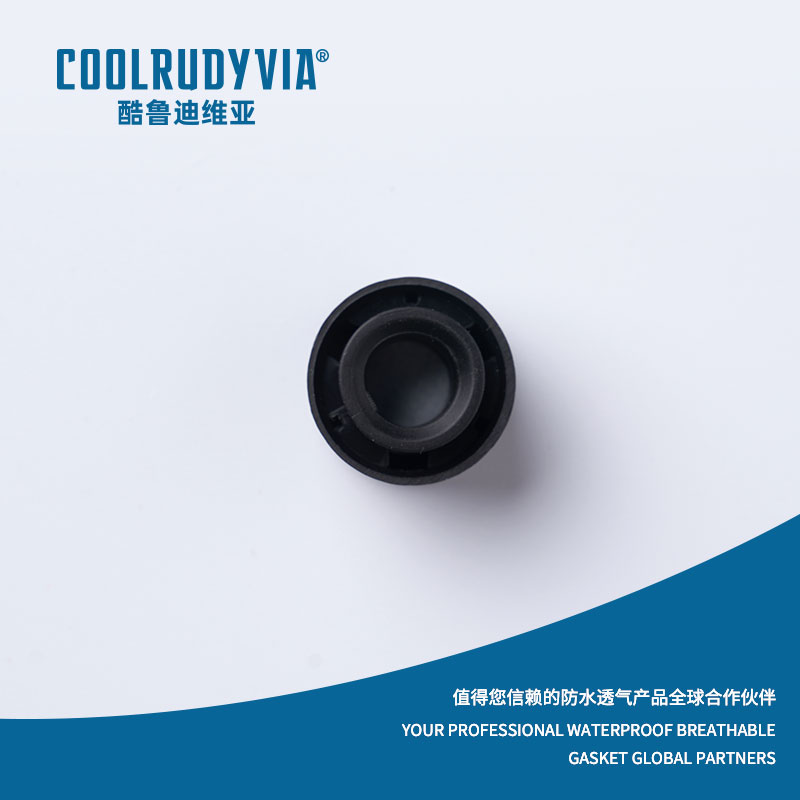
The vent plug is typically constructed with a housing, often molded from engineering plastic, that holds an ePTFE membrane across an internal air channel. As temperature changes cause air inside a sealed housing to expand or contract, the membrane allows this air to move freely in and out, equalizing internal and external pressure. At the same time, the microporous structure of the membrane prevents liquid water, dust, and other contaminants from entering, since the pore size is smaller than a water droplet but large enough for air molecules and water vapor to pass through.
This dual function reduces the risk of seal failure caused by pressure differences and helps prevent moisture accumulation inside enclosures, which is a common cause of internal fogging, corrosion, or electrical faults in automotive components.
Technical Specifications and Key Performance Factors
Selecting an appropriate vent plug requires attention to several technical parameters that determine how well it performs under real operating conditions.
| Specification | Typical Range | Relevance |
|---|---|---|
| Membrane Pore Size | 0.02 to 3 micron | Determines water and dust blocking capability |
| Airflow Rate | Varies by membrane area and design | Affects pressure equalization speed |
| Ingress Protection Rating | IP67 to IP69K | Indicates dust and water resistance level |
| Operating Temperature | -40°C to 125°C | Ensures function across engine bay and exterior conditions |
| Thread or Mounting Type | Snap-fit, threaded, press-fit | Compatibility with housing design |
| Housing Material | Polyamide, polypropylene, PBT | Chemical and mechanical durability |
Application Scenarios
Vent plugs using ePTFE membranes are used across a range of sealed automotive components, including:
- Headlamp and taillight assemblies exposed to temperature cycling
- Electronic control units requiring dust and moisture protection
- Sensor housings mounted in exterior or underbody locations
- Battery packs and battery management system enclosures
- Connector housings and junction boxes
In each case, the goal is the same: allow internal pressure to equalize with the surrounding environment without permitting liquid ingress that could damage internal circuitry or optical surfaces.
Comparison With Alternative Venting Solutions
Some housings rely on labyrinth vents, open weep holes, or foam filters instead of a membrane-based plug. These alternatives can allow airflow but generally offer weaker protection against water ingress, particularly during pressure washing or heavy rain. A properly selected ePTFE Vent Plug For Automotive housing typically provides a more consistent barrier against liquid water while still supporting the airflow needed for pressure equalization, making it a preferred option for enclosures with sensitive internal components.
What Should Be Checked Before Installing a Vent Plug
Before installation, several factors should be reviewed to confirm compatibility with the housing and application:
- Confirm the mounting hole diameter and thread specification match the plug design
- Verify the required ingress protection rating for the application environment
- Check the operating temperature range against expected under-hood or exterior conditions
- Confirm chemical compatibility between the housing material and vent plug material
- Review the required airflow rate relative to the internal air volume of the housing
How to Install an ePTFE Breathable Plug
- Clean the mounting hole and surrounding surface to remove debris, oil, or residue.
- Inspect the housing hole diameter to confirm it matches the plug specification.
- Align the vent plug with the mounting hole, keeping the membrane surface unobstructed.
- Press or thread the plug into place according to the mounting type, applying even pressure.
- Confirm the plug sits flush and forms a complete seal around the mounting point.
- Perform a visual and, where applicable, a pressure or leak test to confirm proper sealing.
Maintenance Practices for Vent Plugs
Vent plugs generally require minimal maintenance, but periodic inspection supports long-term performance:
- Check for physical damage, cracking, or discoloration of the housing
- Inspect the membrane surface for visible contamination such as oil film or dirt buildup
- Confirm the plug remains securely seated after exposure to vibration or washing
- Avoid direct high-pressure water jets aimed at the membrane during cleaning
- Replace the plug if airflow appears restricted or if the housing shows persistent internal fogging
Environmental Factors That Affect Vent Plug Performance
Several environmental conditions can influence how well a vent plug performs over time:
| Factor | Potential Effect |
|---|---|
| Road salt and chemical exposure | Gradual degradation of housing material if incompatible |
| UV exposure | Possible embrittlement of certain plastic housings over time |
| Oil, grease, or fuel contact | Membrane pore blockage reducing airflow |
| Extreme temperature cycling | Increased pressure differential requiring higher airflow capacity |
| Dust and particulate density | Surface accumulation that may reduce breathability over time |
What to Do If Water Gets Into Car Lights
Moisture inside a light housing usually indicates a compromised seal, a damaged vent plug, or condensation exceeding the venting capacity. If water is present, the housing should be inspected to identify the entry point, which may be a cracked lens, worn gasket, or degraded vent plug. The housing should be dried out, ideally with the light removed and left in a dry, ventilated area, before checking whether the vent plug is intact and properly seated. If the membrane shows damage or the housing continues to collect moisture after drying, the vent plug should be replaced to restore proper pressure equalization and moisture resistance.
Common Mistakes and Overlooked Considerations
- Selecting a vent plug based on price alone without confirming ingress protection rating
- Overlooking chemical compatibility between the membrane housing and cleaning agents
- Installing the plug with the membrane surface facing an obstructed or covered area
- Assuming all vent plugs offer equal airflow rates regardless of membrane specification
- Neglecting periodic inspection until moisture damage has already occurred
Industry Trends and Future Outlook
As automotive electronic content continues to increase, particularly with sensor-heavy driver assistance systems and battery enclosures in electric vehicles, demand for reliable pressure equalization and moisture protection continues to grow. Housing designs are trending toward higher ingress protection requirements, smaller mounting footprints, and materials compatible with a wider range of automotive fluids. Membrane technology is also evolving to offer higher airflow rates within compact designs, supporting faster pressure equalization without compromising water resistance.
Conclusion
An ePTFE Vent Plug For Automotive enclosure serves a specific but important function: equalizing internal pressure while blocking liquid water and dust. Understanding the difference between PTFE and ePTFE, reviewing key specifications, and following proper installation and maintenance practices all contribute to reliable long-term performance across lighting, electronic, and sensor housings.
Frequently Asked Questions
What is the difference between ePTFE and PTFE?
PTFE is a solid, non-breathable fluoropolymer, while ePTFE is a stretched, microporous version that allows air and water vapor to pass through while blocking liquid water and dust.
What should be checked before installing a vent plug?
Confirm the mounting hole size, required ingress protection rating, operating temperature range, material compatibility, and airflow requirements before installation.
How do I install an ePTFE breathable plug?
Clean the mounting area, confirm hole compatibility, align and press or thread the plug into place, and verify a flush, complete seal.
What maintenance practices are recommended for vent plugs?
Periodically inspect for physical damage, surface contamination, and secure seating, and avoid direct high-pressure water jets on the membrane.
What environmental factors can affect vent plug performance?
Road salt, UV exposure, oil or grease contact, extreme temperature cycling, and heavy dust exposure can all affect long-term performance.
What should I do if water gets into the car lights?
Identify the entry point, dry out the housing fully, and inspect the vent plug and seals, replacing the vent plug if it is damaged or moisture continues to accumulate.
How long does an ePTFE vent plug typically last?
Service life depends on environmental exposure and material selection, but properly specified vent plugs are generally designed to match the operating life of the housing they are installed in.

-
Phone Number
+86 138 6105 7907
-
Address
No. 58 Fengjiatou, Xiaoliu Village, Luoyang Town, Wujin District, Changzhou, Jiangsu, China
Copyright © Changzhou Baonong New Material Technology Co., Ltd.All rights reserved
PrivacyCustom Waterproof Breathable Membranes/Gaskets/Plugs/Caps