
 English
 中文简体
中文简体 Español
 عربى
عربى
How Does a Breathable Plug Protect Your Critical Electronics?
 2026.02.02
 Industry News
Content
- 1 1. Core Technology: The Science of Selective Permeability
- 2 2. Application-Specific Solutions: Matching the Plug to the Challenge
- 3 3. Selection, Validation, and Ensuring Long-Term Performance
- 4 FAQ
- 4.1 How does a breathable plug work without letting water in?
- 4.2 What is the difference between IP67 and IP68 for a breathable plug?
- 4.3 Can a breathable plug be used in a sterilized or cleanroom environment?
- 4.4 How do I calculate the required airflow or number of plugs for my enclosure?
- 4.5 What happens if a breathable plug gets dirty or clogged?
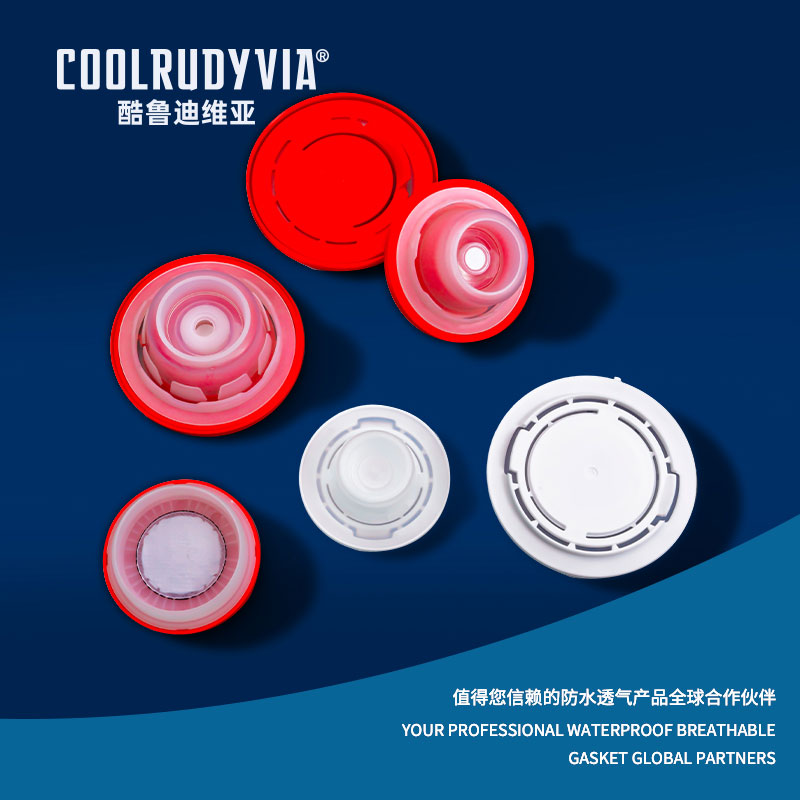
In the relentless pursuit of miniaturization and durability, modern electronics and mechanical systems face a fundamental physical paradox: they require a robust, sealed enclosure for protection against water, dust, and contaminants, yet that same seal can trap damaging pressure differentials and moisture vapor. This internal environment, if unmanaged, leads to a cascade of failures—condensation forming on PCBs, gaskets buckling under vacuum stress, seals weeping during altitude changes, and battery vents failing. The solution to this engineering challenge is not a compromise on sealing but an enhancement through micro-ventilation. A Long-Lasting Breathable Plug is a precision-engineered component that acts as a selective barrier, utilizing advanced membrane science to allow the slow passage of air for pressure equalization while presenting an impermeable barrier to liquid water and solid particulates. For design engineers, product managers, and procurement specialists across automotive, consumer electronics, industrial IoT, and energy sectors, understanding the specification and application of these components is crucial for product reliability. This article provides a technical deep dive into the operating principles, material science, and application-specific considerations of breathable plugs, from a simple waterproof breathable membrane plug to a complex high temperature breathable vent plug designed for under-hood automotive use. Mastery of this component ensures that your enclosure breathes easy, maintaining internal equilibrium and preventing environmental ingress throughout the product's intended lifespan.
1. Core Technology: The Science of Selective Permeability
At the heart of every reliable breathable plug lies a microporous membrane, most commonly fabricated from expanded Polytetrafluoroethylene (ePTFE). This material's unique structure is the result of a controlled expansion process that creates a matrix of interconnected microscopic pores. These pores are orders of magnitude smaller than a water droplet (typically around 0.2 to 10 microns) but larger than gas molecules. This size disparity is the foundation of its function: surface tension prevents liquid water from penetrating the pores, while air molecules pass through freely via diffusion, allowing internal and external pressures to equalize. This passive exchange prevents the development of a vacuum during cooling or a positive pressure during heating, conditions that can lead to seal failure, lens fogging, or difficulty opening access panels. A true Long-Lasting Breathable Plug is more than just the membrane; it is a complete assembly where the membrane is permanently bonded—often through thermal lamination or specialized adhesives—into a robust housing made from materials like silicone, thermoplastic polyurethane (TPU), or engineered plastics. This housing provides the mechanical interface for installation (snap-fit, threaded, or adhesive) and protects the fragile membrane from abrasion and mechanical damage. The performance is quantified by two key metrics: Water Entry Pressure (WEP), the hydrostatic pressure at which water penetrates the membrane (directly correlating to IPX ratings), and Airflow Rate, measured in liters per minute at a specific pressure differential, which determines the speed of pressure equalization.
- Material Superiority of ePTFE: Beyond its microporous structure, ePTFE is chemically inert, UV resistant, and operates across a wide temperature range (-200°C to +260°C), making it ideal for the most demanding applications where a high temperature breathable vent plug is required.
- The Role of Hydrophobicity: The inherent water-repellent (hydrophobic) nature of ePTFE is enhanced through proprietary treatments, ensuring water beads up and rolls off the surface rather than wetting and potentially blocking the pores.
- Validating Performance: Reputable manufacturers validate plug performance through rigorous testing per international standards, such as IP Code ingress testing (IEC 60529) for waterproofness and pressure decay tests for airflow, ensuring datasheet specifications are reliable.
| Performance Metric | Definition & Importance | Typical Range for Standard ePTFE Plugs |
| Water Entry Pressure (WEP) | The minimum hydrostatic pressure required to force liquid water through the membrane. Defines the depth/immersion protection level. | 5 kPa to over 100 kPa (0.5m to 10m+ water column). |
| Airflow Rate | The volume of air that can pass through the plug at a defined pressure differential (e.g., 0.1 psi). Determines pressure equalization speed. | 0.5 to 10+ liters per minute, depending on plug size and membrane area. |
| Operating Temperature Range | The ambient temperature range over which the plug maintains its WEP, airflow, and physical integrity. | -40°C to +125°C (standard); up to +200°C+ for specialized high temperature variants. |
| IP Rating (Ingress Protection) | International standard classifying degrees of protection. A plug enabling an IP67 rated breathable plug for electronics design can withstand temporary immersion. | Commonly enables IP65, IP67, or IP68 enclosure ratings when correctly installed. |
2. Application-Specific Solutions: Matching the Plug to the Challenge
The universal principle of pressure equalization meets diverse real-world challenges, each demanding a tailored approach. In the realm of electrification and portable power, a silicone breathable plug for battery enclosure is non-negotiable. Battery cells, particularly lithium-ion, experience minor gas generation during normal operation and significant thermal expansion. A sealed enclosure risks bulging or rupture, while an open vent allows corrosive electrolyte and moisture ingress. A breathable plug safely vents these gases and equalizes pressure from thermal cycling while maintaining a seal against road spray, dust, and humidity. The silicone housing offers excellent environmental seal compression and resistance to ozone and temperature. Within the automotive sector, the proliferation of electronic control units (ECUs), sensors, and LED lighting demands robust protection in a harsh environment. An automotive electrical connector breather plug is often integrated directly into connector housings. It prevents condensation inside the connector that could lead to pin corrosion and electrical failure, especially critical for safety systems like ABS or airbag controllers. For applications near the engine or exhaust, such as transmission sensors or turbocharger actuators, specifying a high temperature breathable vent plug with a membrane and housing rated for continuous exposure above 150°C is essential to prevent material degradation. In consumer and industrial electronics, achieving a high ingress protection rating without creating a pressure vessel is key. Integrating an IP67 rated breathable plug for electronics allows devices like outdoor security cameras, handheld GPS units, or underwater sensors to equalize pressure during altitude changes or temperature swings while confidently surviving rain, dust storms, or temporary submersion, thereby dramatically enhancing field reliability and reducing warranty returns.
- Battery Enclosure Design Integration: The plug must be positioned at the highest point in the enclosure to effectively vent gases and should be protected from direct water jets or contaminant splatter by internal baffling or a shrouded design.
- Chemical Compatibility Audits: For automotive or industrial applications, verify that the plug housing material (e.g., specific grade of silicone or TPU) is resistant to fluids like engine oil, brake fluid, coolant, and common cleaning solvents.
- Sizing and Flow Calculations: For large enclosures or those with rapid thermal cycles, multiple plugs or a plug with a higher airflow rate may be required. A simple calculation based on enclosure volume and maximum expected internal-external pressure differential can guide selection.
| Industry & Application | Primary Challenge | Breathable Plug Solution Focus | Key Specification to Prioritize |
| Electric Vehicles / Energy Storage | Managing hydrogen off-gassing & thermal expansion in battery packs; preventing moisture ingress. | silicone breathable plug for battery enclosure with high chemical resistance. | High Airflow Rate, Chemical Resistance (to electrolyte), UL94 V-0 housing. |
| Automotive Electronics | Preventing condensation in connectors & ECUs; surviving under-hood temperatures and fluid exposure. | Miniature automotive electrical connector breather plug; high temperature breathable vent plug. | High Temperature Rating, IP69K for wash-down, small form factor. |
| Outdoor/Industrial Electronics | Maintaining IP67/IP68 seal while allowing pressure equalization in varying climates and altitudes. | IP67 rated breathable plug for electronics with robust, UV-stable housing. | Certified IP Rating, UV Resistance, Wide Temperature Range. |
| Packaging (Agri-Chemical, Beverage) | Releasing sterilization vapor (e.g., ethylene oxide) after packaging without letting contaminants in. | Sterilizable waterproof breathable membrane plug with high microbial barrier. | High WEP, Sterilization Cycle Compatibility (EtO, Gamma), Material Certifications (FDA, USP Class VI). |
3. Selection, Validation, and Ensuring Long-Term Performance
Specifying a breathable plug is an exercise in proactive risk mitigation. The process begins with creating a comprehensive environmental and operational profile for the end product. This profile defines the required Ingress Protection (IP) rating, the expected temperature cycling range, potential chemical exposures, the required service life, and the rate of internal pressure change (e.g., from altitude changes in drones or thermal loads in outdoor lighting). With this profile, engineers can interpret manufacturer datasheets critically, looking for validated performance data under matched conditions, not just nominal ratings. A claim of being a Long-Lasting Breathable Plug must be backed by accelerated life testing data, such as prolonged exposure to temperature-humidity cycling, UV weatherometer tests, and salt spray resistance. One of the most common failure modes is not sudden breakdown but gradual degradation: pore clogging. In environments with oily aerosols, fine dust, or airborne fibers, contaminants can occlude the membrane's micropores. While ePTFE is oleophobic (oil-repelling), specialized oleophobic treatments provide an extra layer of defense. Design strategies to mitigate clogging include positioning the plug in a sheltered location, using a particulate filter media overlayer, or specifying a model with a sacrificial outer membrane layer. Mechanical integrity is equally vital; the plug must withstand installation stresses, vibration, and potential impacts without the membrane delaminating from its housing or the housing cracking.
- Request Failure Analysis Data: A credible manufacturer will have data on mean time to failure (MTTF) under specific stress conditions and can provide guidance on expected service life in your application environment.
- Prototype and Test in Context: Never finalize a plug specification based on datasheets alone. Install prototype plugs in actual or mock enclosures and subject them to a condensed version of your product's environmental stress screening (ESS) regimen.
- Consider Installation and Seal: The plug is only as good as its seal to the host enclosure. Ensure the chosen mounting style (e.g., O-ring seal for threaded plugs, compression for snap-in) is compatible with your enclosure material and provides a reliable seal per the required IP rating.
FAQ
How does a breathable plug work without letting water in?
It utilizes a microporous membrane, typically made of expanded PTFE (ePTFE). This membrane contains billions of microscopic pores that are larger than gas molecules (allowing air to pass for pressure equalization) but smaller than liquid water droplets. The high surface tension of water prevents it from wetting and penetrating these tiny pores. This principle, combined with hydrophobic treatments on the membrane, creates an effective one-way barrier: air flows, water is blocked, making it a true waterproof breathable membrane plug.
What is the difference between IP67 and IP68 for a breathable plug?
The IP (Ingress Protection) rating refers to the level of protection the entire enclosure achieves, not the plug itself. However, the plug is a critical component enabling these ratings. An IP67 rated breathable plug for electronics is designed and tested to help an enclosure achieve "6" (complete dust ingress protection) and "7" (protection against temporary immersion in water between 15cm and 1m for 30 minutes). IP68 is for continuous immersion under conditions specified by the manufacturer (often deeper than 1m for longer periods). A plug enabling IP68 would have a significantly higher Water Entry Pressure (WEP) rating.
Can a breathable plug be used in a sterilized or cleanroom environment?
Yes, but specific product variants must be selected. For sterilization methods like Ethylene Oxide (EtO) or Gamma radiation, the plug materials (membrane and housing) must be validated to withstand the process without degradation or loss of performance. For cleanroom or pharmaceutical applications, plugs must be manufactured in a controlled environment and may require additional certifications (e.g., USP Class VI for biocompatibility) to ensure they do not introduce contaminants or off-gas.
How do I calculate the required airflow or number of plugs for my enclosure?
A basic calculation involves the ideal gas law (PV=nRT). You need to determine the maximum pressure differential (ΔP) your enclosure must equalize and the time (t) in which it must happen. The formula for the required volumetric airflow (Q) is a derivative: Q = (V ΔP) / (t Patm), where V is enclosure volume. Select a plug whose airflow rate (from its datasheet at your specific ΔP) meets or exceeds this calculated Q. For large ΔP or fast equalization, multiple plugs in parallel add their airflow rates.
What happens if a breathable plug gets dirty or clogged?
Clogging is a primary failure mode. If the membrane's pores become blocked by dirt, oil, or other contaminants, its airflow rate drops to near zero. The plug effectively becomes a solid seal, leading to the very problems it was meant to prevent: pressure buildup, vacuum lock, and potential condensation. To prevent this, select plugs with oleophobic (oil-repelling) treatments for dirty environments, design protective shrouds or baffles to shield the plug from direct contaminant streams, and consider them a serviceable item in maintenance schedules for extreme-duty applications.

-
Phone Number
+86 138 6105 7907
-
Address
No. 58 Fengjiatou, Xiaoliu Village, Luoyang Town, Wujin District, Changzhou, Jiangsu, China
Copyright © Changzhou Baonong New Material Technology Co., Ltd.All rights reserved
PrivacyCustom Waterproof Breathable Membranes/Gaskets/Plugs/Caps