
 English
 中文简体
中文简体 Español
 عربى
عربى
Why Choose a Waterproof Breathable Gasket?
 2026.02.09
 Industry News
Content
- 1 Understanding the Core Technology
- 2 Key Applications and Protection Levels
- 3 Material Science and Functionality
- 4 Manufacturing Excellence at Changzhou Baonong
- 5 FAQ
- 5.1 What is the difference between a Waterproof Breathable Gasket and a standard rubber gasket?
- 5.2 Can an IP65 waterproof gasket be submerged underwater?
- 5.3 How do I choose the right vent plug gasket for my housing?
- 5.4 Why is a breathable membrane gasket important for pesticide packaging?
- 5.5 How does an ebox waterproof vent prevent electronic failure?
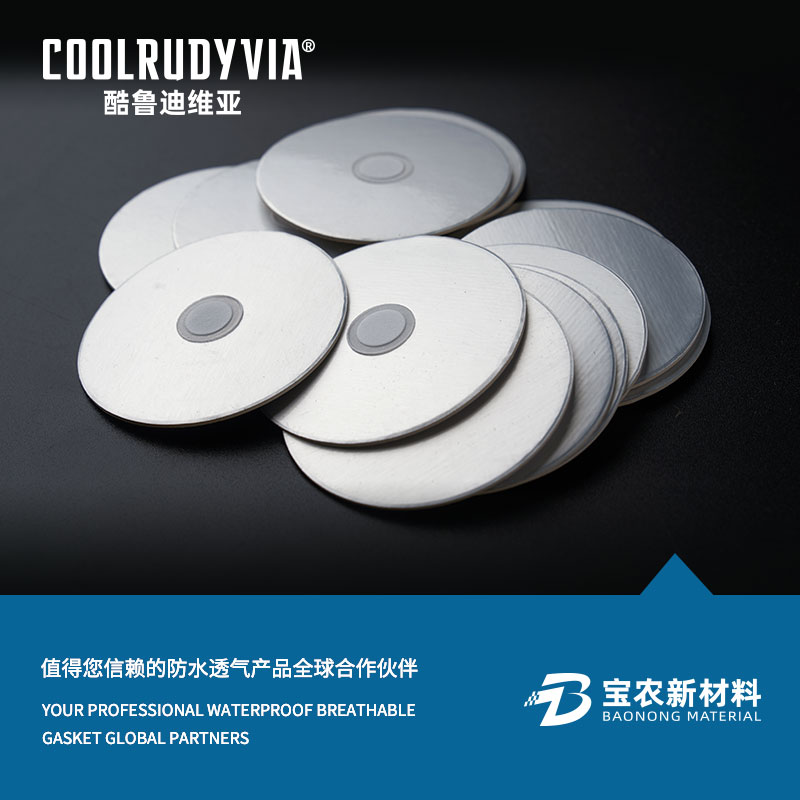
In the realm of modern engineering and manufacturing, the longevity and reliability of electronic devices, automotive components, and packaging solutions are often compromised by environmental factors. The ingress of water and the accumulation of condensation are primary causes of failure in sealed enclosures. To combat this, industry professionals increasingly turn to the Waterproof Breathable Gasket as a critical line of defense. This innovative component is designed to solve the age-old dilemma of keeping liquid water out while allowing air vapor to escape. By utilizing advanced microporous membranes, these gaskets provide a dynamic barrier that reacts to environmental changes. When the internal temperature of an enclosure rises, air expands and pressure builds; a breathable gasket allows this air to escape, preventing pressure-induced deformation of seals. Conversely, when the temperature drops, air contracts, creating a vacuum. The gasket allows air to re-enter, preventing the implosion of the enclosure and the ingress of contaminants through the main seals. This pressure equalization is vital for maintaining the integrity of sensitive equipment in fluctuating climates. Changzhou Baonong New Material Technology Co., Ltd. is a manufacturer that understands these nuances deeply. Since its establishment, the company has been rooted in the present, grasping development trends, and committed to entrepreneurship, innovation and customer service in Changzhou (known as "Dragon City"). After eight years of development, the company has established a solid position in the industry and become one of the few standardized, modern and high-quality integrated manufacturers specializing in waterproof and breathable membrane series products.
Understanding the Core Technology
IP65 Waterproof Gasket and Standards
The effectiveness of any protective component is measured by its ability to meet specific industry standards, with the Ingress Protection (IP) rating being the most universally recognized benchmark. An IP65 waterproof gasket signifies that the component offers "dust tight" protection (the first digit '6') and protection against low-pressure water jets from any direction (the second digit '5'). Achieving this rating requires precise engineering of the membrane's pore size—small enough to block water droplets, yet large enough to allow air molecules to pass through. This balance is critical in outdoor applications where equipment is exposed to rain, spray, or washing processes. Unlike traditional rubber seals that merely compress to fill a gap, a breathable gasket functions as a semipermeable membrane that actively manages the atmosphere inside the enclosure. This technology ensures that even under high-pressure water jets, the microscopic pores resist water penetration due to surface tension, while simultaneously allowing the housing to "breathe" and prevent the fogging that often plagues sealed lenses and sensors.
- Blocks water ingress effectively even under high-pressure spray conditions.
- Prevents the formation of condensation on optical lenses and internal electronics.
- Extends the lifespan of sensitive components by maintaining a dry internal environment.
Key Applications and Protection Levels
Automotive and Ebox Waterproof Vent Solutions
The automotive industry presents some of the harshest environments for electronic components. From the extreme heat of the engine bay to the undercarriage exposure to road salt and water, electronic control units (ECUs) and lighting systems require robust protection. An ebox waterproof vent is essential in these scenarios to ensure that the housings remain sealed against the elements while allowing for pressure equalization caused by engine heating and cooling. Without proper venting, the pressure differential can cause the housing seals to fail or suck in moisture-laden air, which later condenses and corrodes the circuitry. Furthermore, automotive headlamps rely heavily on breathable technology to prevent fogging, which would significantly reduce visibility and safety. By integrating breathable vents, manufacturers can ensure that headlights remain clear and that electronic modules function reliably throughout the vehicle's life.
- Protects sensitive engine control units (ECUs) from water splash and dust.
- Prevents fogging in automotive headlamps, ensuring optimal visibility.
- Equalizes pressure rapidly to accommodate sudden temperature changes in automotive environments.
Vent Plug Gasket Mechanisms
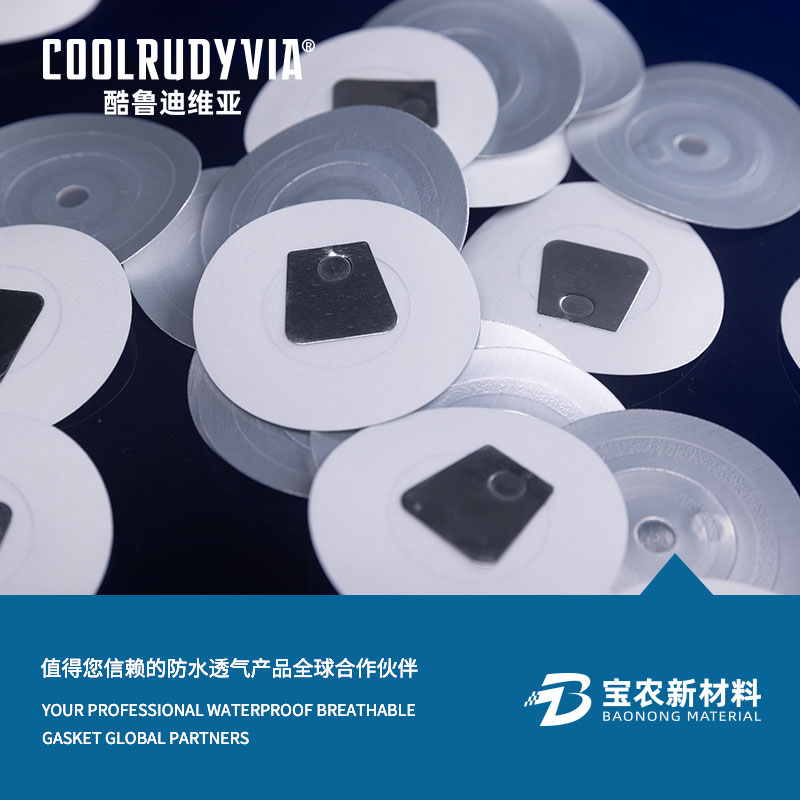
While adhesive patches are common, the vent plug gasket offers a distinct advantage in terms of mechanical installation and durability. These components are designed to fit into specific housing bores or threaded holes, providing a secure mechanical fit that won't peel off due to vibration or impact. The plug design often integrates a rigid housing that protects the delicate membrane from physical damage during assembly or operation. This makes them ideal for applications where the component is exposed to potential abrasion or handling. The integration of a gasket into the plug ensures an IP-rated seal against the housing itself, meaning the entire assembly is leak-proof. This form factor is particularly useful in equipment that undergoes frequent maintenance or is located in high-traffic industrial areas.
| Feature | Vent Plug Gasket | Adhesive Patch |
| Installation Method | Press-in or Threaded (Mechanical) | Adhesive Bonding |
| Durability | High resistance to vibration and physical impact | Susceptible to peeling under vibration |
| Serviceability | Can be replaced or removed easily | Difficult to remove without residue |
Material Science and Functionality
Breathable Membrane Gasket Composition
At the heart of these devices is the breathable membrane gasket, which is typically constructed from expanded Polypropylene (ePP) or Polytetrafluoroethylene (ePTFE). ePTFE is particularly renowned for its chemical inertness and thermal stability. The manufacturing process involves stretching the material to create a microporous structure consisting of millions of tiny interconnected pores. These pores are approximately 700 times larger than a water vapor molecule but 20,000 times smaller than a droplet of liquid water. This unique structure allows water vapor to escape rapidly via diffusion while acting as an impermeable barrier to liquid water, dust, and other contaminants. The choice of material also dictates the chemical resistance of the gasket. For example, in agricultural applications involving pesticide packaging, the material must withstand aggressive chemicals without degrading. High-quality membranes ensure that the airflow remains consistent over the product's lifetime, preventing clogging and maintaining performance.
- Constructed with ePTFE for exceptional chemical and thermal resistance.
- Microporous structure blocks liquids while permitting high airflow rates.
- Hydrophobic and oleophobic properties available for specific fluid resistance needs.
Enclosure Pressure Relief Gasket Physics
Pressure differentials can be devastating for sealed enclosures. When an enclosure is sealed at sea level and then transported to high altitudes, or when internal heat sources raise the temperature, the internal pressure rises significantly. An enclosure pressure relief gasket mitigates these risks by providing a controlled path for airflow. If the pressure is not relieved, the seals may blow out, or the housing walls may bulge and crack. Conversely, a rapid drop in temperature can create a vacuum that sucks in external contaminants or implodes the housing. The physics of pressure relief relies on the membrane's air permeability rating, typically measured in liters per square centimeter per minute at a specific pressure. Selecting the correct permeability ensures that the pressure inside the enclosure remains within safe limits relative to the external environment, thereby protecting the structural integrity of the device.
- Prevents seal extrusion and housing deformation due to pressure build-up.
- Protects internal components by eliminating vacuum-induced condensation.
- Ensures functionality across a wide range of altitudes and temperatures.
Manufacturing Excellence at Changzhou Baonong
The theoretical benefits of breathable gaskets can only be realized through precision manufacturing. Changzhou Baonong New Material Technology Co., Ltd. brings this theory to life with state-of-the-art production capabilities. The company owns an industrial standard workshop of over 6,000 square meters. Its R&D team is dedicated to the integrated process of design, R&D, production and sales of waterproof and breathable products such as waterproof and breathable gaskets, plugs and covers. These products are widely applied in automotive headlamps, beverage bottle packaging, pesticide packaging, etc. With the feature of "breathable yet waterproof", they ensure safety in use and transportation. Equipped with more than 90 sets of independent intellectual property-owned automated equipment that are high-speed, precise, stable and reliable, the company can provide customers with various professional products in a fast, stable, efficient and high-quality manner. Each product undergoes a dual inspection mechanism of automatic equipment testing and manual inspection, ensuring stable, reliable and safe quality, thus helping customers gain consumers' trust. This commitment to quality ensures that every gasket leaving the facility meets the rigorous demands of global industries.
- Over 6,000 square meters of modern manufacturing space dedicated to membrane technology.
- Utilizes 90+ sets of automated equipment for high-precision production.
- Implements a dual inspection mechanism (automated + manual) for zero-defect quality assurance.
FAQ
What is the difference between a Waterproof Breathable Gasket and a standard rubber gasket?
A standard rubber gasket is designed solely to compress and seal gaps statically, preventing the ingress of solids and liquids. However, it is gas-tight. A Waterproof Breathable Gasket allows air molecules to pass through while blocking liquid water. This breathing capability prevents pressure buildup and condensation, which a standard rubber gasket cannot do.
Can an IP65 waterproof gasket be submerged underwater?
The IP65 rating certifies protection against low-pressure water jets (6.3mm nozzle) from any direction. It does not guarantee protection against continuous submersion. For submersion applications, typically an IP67 or IP68 rated solution is required, which offers a higher level of sealing against prolonged immersion.
How do I choose the right vent plug gasket for my housing?
To choose the right vent plug gasket, you must consider the housing material, the available space or hole size, the required airflow rate (air permeability), and the environmental conditions (temperature, chemical exposure). The plug must fit mechanically into the bore to ensure a secure seal and the membrane must be chemically compatible with the substances it encounters.
Why is a breathable membrane gasket important for pesticide packaging?
Pesticide packaging often generates gas or is subject to temperature fluctuations that create pressure. Without a breathable membrane gasket, the container could bulge, leak, or even rupture, posing safety risks. The gasket allows the container to breathe, equalizing pressure while ensuring that the hazardous liquid contents remain safely contained.
How does an ebox waterproof vent prevent electronic failure?
An ebox waterproof vent prevents electronic failure by equalizing pressure and expelling moisture. By allowing air to flow in and out, it eliminates the pressure differentials that can distort the enclosure seal. Furthermore, it prevents the accumulation of condensation inside the box, which can lead to short circuits and corrosion of sensitive electronic components.

-
Phone Number
+86 138 6105 7907
-
Address
No. 58 Fengjiatou, Xiaoliu Village, Luoyang Town, Wujin District, Changzhou, Jiangsu, China
Copyright © Changzhou Baonong New Material Technology Co., Ltd.All rights reserved
PrivacyCustom Waterproof Breathable Membranes/Gaskets/Plugs/Caps