
 English
 中文简体
中文简体 Español
 عربى
عربى
How Does a Stainless Steel Vent Plug Prevent Pressure Build-up in Gearboxes?
 2026.01.15
 Industry News
Content
- 1 The Mechanics of Pressure: Stainless Steel Pressure Equalization Vent
- 2 Application Specifics: Stainless Steel Breather Vent for Gearbox
- 3 Fluid Contamination Control: Hydraulic Reservoir Stainless Steel Breather Cap
- 4 Environmental Resistance: IP68 Waterproof Stainless Steel Vent Plug
- 5 Safety in Hazardous Environments: Explosion Proof Stainless Steel Vent
- 6 Conclusion
In the realm of industrial machinery, the longevity and reliability of gearboxes and hydraulic systems are often determined by the smallest components. One such critical element is the Stainless steel vent plug. While often overlooked, this device plays a pivotal role in maintaining the structural integrity and operational efficiency of enclosed systems. As machinery operates, thermal dynamics and fluid displacement can create hazardous pressure differentials. Without a proper pressure management strategy, these forces can lead to seal failure, oil leakage, and eventual contamination. This article explores the mechanics of how a stainless steel vent plug mitigates these risks, ensuring that equipment remains protected in even the most demanding environments.
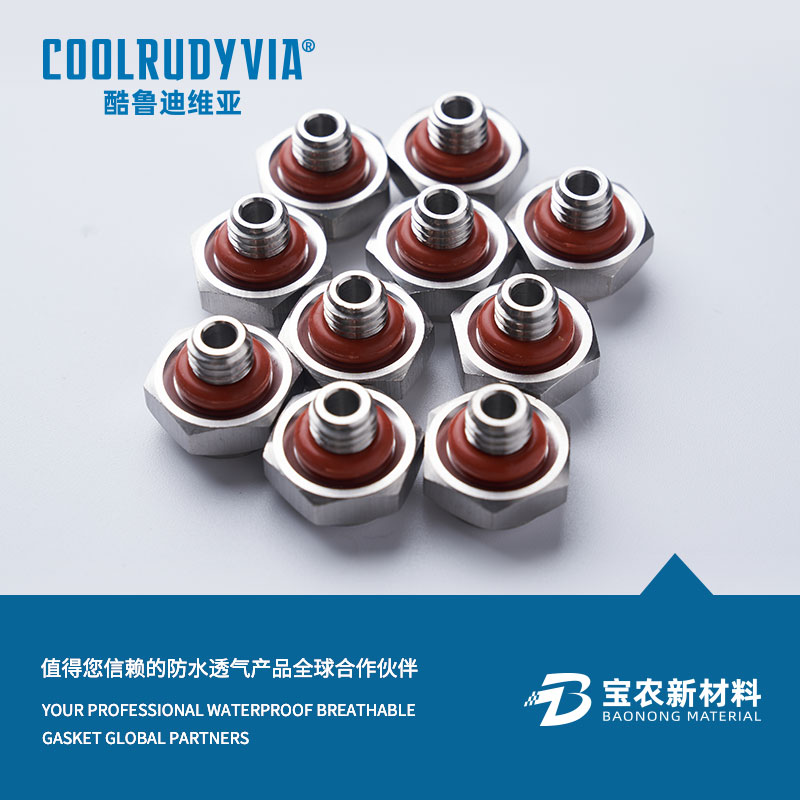
The Mechanics of Pressure: Stainless Steel Pressure Equalization Vent
When a gearbox or hydraulic reservoir is in operation, the internal temperature rises due to friction and fluid dynamics. According to the basic principles of thermodynamics, this heating causes the air inside the enclosure to expand. If the enclosure is sealed, this expansion creates a positive pressure that pushes against shaft seals and gaskets. Conversely, during shutdown, rapid cooling creates a vacuum that can suck external contaminants, including dust and water, past the seals. A Stainless Steel Pressure Equalization Vent addresses this by acting as a membrane that allows air to flow freely in and out of the housing. This equalization ensures that the internal pressure always matches the ambient atmospheric pressure, thereby eliminating the stress load on the enclosure seals.
Comparing sealed systems to those equipped with pressure equalization vents highlights the importance of continuous airflow management.
| Condition | Sealed Enclosure | Equipped with Pressure Vent |
| Thermal Expansion | Pressure builds up, forcing oil past seals. | Air escapes, pressure remains neutral. |
| Thermal Contraction (Cooling) | Vacuum forms, risking ingestion of contaminants. | Air enters, neutralizing vacuum. |
| Seal Lifespan | Reduced due to constant stress cycles. | Extended due to stable pressure environment. |
Application Specifics: Stainless Steel Breather Vent for Gearbox
Gearboxes present a unique challenge because the lubrication oil is constantly churned, creating a fine mist or aerosol. A standard hole or a rudimentary breather allows this oil to escape, leading to mess and environmental hazards, while also lowering the oil level over time. A specialized Stainless Steel Breather Vent for Gearbox is designed with hydrophobic and oleophobic media that allows air molecules to pass but traps oil particles. This capability is essential for maintaining the correct lubricant levels and preventing slip hazards on the factory floor.
The difference between an open breather and a membrane-sealed vent in gearbox applications is defined by fluid containment.
| Feature | Open Pipe/Standard Breather | Membrane Stainless Vent |
| Oil Mist Control | Poor; allows oil mist to escape. | Excellent; traps oil, allows air flow. |
| Maintenance | Frequent top-ups required due to oil loss. | Reduced maintenance intervals. |
| Environmental Risk | High risk of ground contamination. | Compliant with environmental regulations. |
Fluid Contamination Control: Hydraulic Reservoir Stainless Steel Breather Cap
In hydraulic systems, cleanliness is paramount. Fluid contamination is the leading cause of hydraulic pump failure. A Hydraulic Reservoir Stainless Steel Breather Cap serves a dual purpose: it regulates pressure and acts as the primary line of defense against ingested particulates. As the hydraulic cylinder retracts, oil returns to the tank, displacing air. If the breather cap lacks adequate filtration, unfiltered air—and all the dust and moisture it carries—rushes in to fill the void. High-quality stainless steel caps utilize sintered bronze or multi-layered mesh filters to trap particles as small as a few microns, ensuring that the hydraulic fluid remains within ISO cleanliness codes.
Effective filtration in breather caps is critical for preventing hydraulic component wear.
| Filtration Level | Dust Ingestion Risk | Impact on Hydraulic System |
| Coarse (Standard Cap) | High; visible dust enters. | Accelerated wear of valves and pumps. |
| Fine (Sintered/Mesh) | Low; sub-micron particles blocked. | Extended fluid life and component reliability. |
| Breathing Efficiency | High flow, low resistance. | Must balance flow restriction with filtration fineness. |
Just as Fengrun Rope Weaving Co., Ltd. is committed to "Quality and Innovation in Equal Measure" in the production of our high-strength ropes and webbing, the manufacturing of precision components like stainless steel vent plugs demands the same dedication to material integrity. A subpar vent plug made from low-grade metals can corrode and seize, compromising the very equipment it is meant to protect. We understand that whether it is the tensile strength of a rope or the corrosion resistance of a vent plug, quality is never an accident.
Environmental Resistance: IP68 Waterproof Stainless Steel Vent Plug
Modern equipment is frequently deployed in harsh environments, from offshore oil rigs to agricultural machinery exposed to pesticides and rain. An IP68 Waterproof Stainless Steel Vent Plug provides an essential solution for these applications. The "Ingress Protection" rating of 68 signifies that the device is dust-tight and can be submerged in water beyond 1 meter. However, it must still allow air to pass. This is achieved through the use of expanded Polypropylene (ePTFE) membranes. These membranes are hydrophobic; the water molecules are too large to pass through the microscopic pores, but air molecules can pass freely. This technology allows enclosures to breathe while remaining completely impervious to high-pressure water jets and temporary submersion.
Comparing standard protection levels with IP68-rated protection demonstrates the capability for harsh environment operation.
| Protection Feature | Standard Metal Cap | IP68 Stainless Vent Plug |
| Water Resistance | Allows water ingress through threads or openings. | Blocks water jets and temporary submersion. |
| Dust Protection | May allow fine dust to enter. | Dust-tight; zero ingress. |
| Pressure Equalization | Usually not functional when sealed against water. | Allows airflow while maintaining seal integrity. |
According to the 2024 revision of the ISO 13473 standard regarding hydraulic fluid power, the maintenance of oil cleanliness through effective breather filtration is directly linked to the mean time between failures (MTBF) of hydraulic systems. The standard emphasizes that proper breather selection is not optional but a critical requirement for system reliability.
Source: International Organization for Standardization (ISO)
Safety in Hazardous Environments: Explosion Proof Stainless Steel Vent
In industries such as oil and gas, chemical processing, and mining, equipment is often located in hazardous areas where flammable gases or dust are present. In these scenarios, a standard vent could become a conduit for an explosion to travel from the outside atmosphere into the enclosure, or vice versa. An Explosion Proof Stainless Steel Vent is engineered to prevent this. These vents are often constructed with flame arresters—mesh discs or sintered metal matrices designed to absorb the heat energy from an explosion flame front, quenching it before it can reach the internal side of the enclosure. Constructed from robust stainless steel, they ensure that even in the event of a catastrophic external event, the internal machinery remains unharmed.
The distinction between a standard vent and an explosion-proof vent is vital for compliance in Class I Div 1 environments.
| Safety Mechanism | Standard Vent Plug | Explosion Proof Vent |
| Flame Propagation | Allows flame to pass freely into the enclosure. | Blocks flame via quenching gap/flame arrestor. |
| Construction Material | Standard stainless or steel alloys. | Heavy-duty stainless with flame-path engineering. |
| Application Suitability | Safe for general industrial use only. | Mandatory for hazardous/zoned areas. |
Conclusion
The Stainless steel vent plug is a sophisticated engineering solution that protects critical machinery from the destructive forces of pressure differentials, contamination, and environmental exposure. By utilizing Stainless Steel Pressure Equalization Vents, industries can prevent seal blowouts. In specific applications like gearboxes, the Stainless Steel Breather Vent for Gearbox manages oil mist, while the Hydraulic Reservoir Stainless Steel Breather Cap ensures fluid purity. For the most extreme conditions, an IP68 Waterproof Stainless Steel Vent Plug or an Explosion Proof Stainless Steel Vent offers necessary protection against water and fire. At Fengrun Rope Weaving Co., Ltd., we understand that reliable performance requires attention to every detail, ensuring that your operations run smoothly and safely.
Frequently Asked Questions (FAQ)
- Q1: Can a stainless steel vent plug get clogged?
Yes, over time, dirt, oil mist, or paint can clog the membrane or filter. Regular inspection and replacement according to the manufacturer's schedule are recommended.
- Q2: How often should a gearbox breather be replaced?
Replacement intervals depend on the operating environment. In clean, dry environments, it may last years; in dusty or humid conditions, replacement every 6 to 12 months is common.
- Q3: What is the difference between NPT and BSP threads for vent plugs?
NPT (National Pipe Taper) and BSP (British Standard Pipe) are different threading standards. NPT is common in the US, while BSP is common in Europe and Asia. They are not interchangeable without adapters.
- Q4: Do I need a vent plug if my gear box is not sealed?
If the gearbox is truly open to the atmosphere, a dedicated vent is not required for pressure equalization, but contaminants and water can enter freely. A vent plug is still recommended to filter incoming air.
- Q5: How does the vent plug handle condensation inside the unit?
Vent plugs allow air exchange. While they help equalize pressure to reduce the vacuum that sucks moisture in, they typically do not remove existing condensation. Desiccant breathers are available for active moisture removal.

-
Phone Number
+86 138 6105 7907
-
Address
No. 58 Fengjiatou, Xiaoliu Village, Luoyang Town, Wujin District, Changzhou, Jiangsu, China
Copyright © Changzhou Baonong New Material Technology Co., Ltd.All rights reserved
PrivacyCustom Waterproof Breathable Membranes/Gaskets/Plugs/Caps