
 English
 中文简体
中文简体 Español
 عربى
عربى
How to Choose the Best Plug in Air Vent for Your Home?
 2026.03.02
 Industry News
Content
- 1 What Makes a Quality Plug in Air Vent for Cooling Systems?
- 2 How to Properly Install Your Plug in Air Vent with Adjustable Damper
- 3 What Are the Benefits of Using a Magnetic Plug in Air Vent Cover?
- 4 How Can a Plug in Air Vent Help with Odor Control?
- 5 Where to Find Quality White Plastic Plug in Air Vent Replacements?
- 6 Frequently Asked Questions (FAQs)
- 6.1 1. What is the difference between a long-lasting breathable plug and a plug in air vent with adjustable damper?
- 6.2 2. How do I calculate the correct airflow for a best long-lasting breathable plug for sensitive skin application in a medical device?
- 6.3 3. Can a magnetic plug in air vent cover be used in high-humidity environments like bathrooms?
- 6.4 4. Are disposable long-lasting breathable plug bulk orders tested for batch consistency?
- 6.5 5. What is the typical lifespan of a white plastic plug in air vent replacement exposed to indirect sunlight?
- 7 References
Selecting the correct airflow control device requires more than just measuring a duct opening; it involves understanding material science, pressure differentials, and the specific application. For bulk purchasers and technical procurement specialists, the distinction between a simple blocker and an engineered plug in air vent is critical for system efficiency and longevity.
What Makes a Quality Plug in Air Vent for Cooling Systems?
A high-grade vent plug must balance structural integrity with precise airflow management. For B2B clients sourcing components like best long-lasting breathable plug for sensitive skin applications in medical or automotive contexts, the underlying technology remains similar: the material must allow gas exchange while acting as a robust physical barrier.
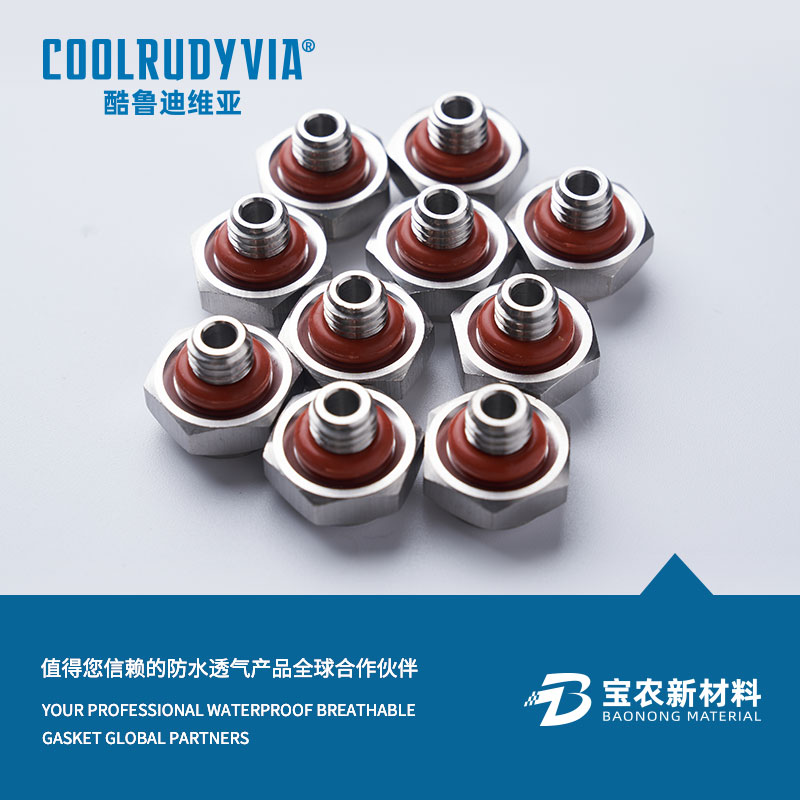
Understanding the Science Behind Airflow Management
The core principle of a plug in air vent is to manipulate the Coefficient of Discharge (Cd) within a duct system. An engineered plug does not merely stop air; it alters the local static pressure. In HVAC systems, improper sealing can cause back-pressure, reducing the efficiency of the central blower. Advanced plugs utilize porous media or precision orifices to manage this. The Darcy's Law of fluid flow through porous materials dictates that permeability (κ) and cross-sectional area directly impact flow rate. For industrial applications requiring contamination control, materials with a specific bubble point pressure ensure that liquid water (with high surface tension) cannot pass, while water vapor (low surface tension) can, adhering to the principle of "breathable yet waterproof."
Key Features to Look for in Cooling Vent Plugs
When evaluating products like a long-lasting breathable plug for overnight wear (a principle applicable to continuous-use industrial sealing), the following technical specifications are mandatory:
- Material Grade: Verify the UL94 flame retardancy rating and ISO 846 (or ASTM G21) microbial resistance.
- Membrane Technology: Differentiate between micro-porous expanded PTFE (ePTFE), which offers high chemical resistance, and Polyolefin-based films, which are cost-effective but have lower temperature thresholds.
- Dimensional Tolerance: For a secure fit in standardized ductwork, ISO 2768-m tolerances are typical. A variance of even 0.5 mm can cause vibration or leakage.
- Pressure Equalization Rate: Measured in ml/min/cm² at a specific pressure differential (e.g., 70mbar). This is critical to prevent dome effects in sealed enclosures.
How to Properly Install Your Plug in Air Vent with Adjustable Damper
Installation protocols vary significantly based on whether the component is a static plug or a plug in air vent with adjustable damper. Mechanical dampers introduce moving parts, requiring consideration of torque and wear cycles.
Step-by-Step Installation Guide for Precision Fit
Proper installation ensures the Mean Time Between Failures (MTBF) meets engineering expectations. Adhere to the following protocol:
- Stage 1: Duct Profilometry: Use a calibrated caliper to measure the internal diameter at three points (0°, 120°, 240°) to check for ovality. Record the minimum and maximum values.
- Stage 2: Surface Energy Preparation: Clean the mating surface with isopropyl alcohol (≥99% purity) to remove any hydrocarbon films that could compromise the compression seal.
- Stage 3: Mechanical Testing: For adjustable dampers, cycle the mechanism through its full range of motion 5-10 times pre-installation to ensure the polymer bushings are seated correctly.
- Stage 4: Axial Load Verification: Ensure the interference fit does not exceed the compressive strength of the duct material (typically < 5 MPa for PVC).
Adjusting Your Damper for Seasonal Efficiency: A Technical Comparison
The efficiency of an adjustable damper is determined by its Closure Class (Class 1-3 per EN 1751). The following table compares the performance metrics of different damper types commonly integrated into a plug in air vent with adjustable damper assembly.
| Damper Type | Closure Class (EN 1751) | Max. Differential Pressure (Pa) | Leakage Rate (l/s/m²) @ 400 Pa | Actuation Torque (Nm) |
|---|---|---|---|---|
| Butterfly (Centric) | Class 2 | 500 | 0.15 | 0.8 - 1.2 |
| Slide/Gate | Class 3 | 1000 | 0.05 | 2.5 - 4.0 |
| Louver (Opposed Blade) | Class 1 | 750 | 0.45 | 1.5 - 2.0 |
Analysis: For applications requiring high shut-off integrity (minimal leakage) in high-pressure systems, Slide/Gate dampers are superior, despite requiring higher actuation force. For general residential balancing where a long-lasting breathable plug is used, a Butterfly damper offers a balance of low torque and adequate sealing.
What Are the Benefits of Using a Magnetic Plug in Air Vent Cover?
The primary benefit of a magnetic plug in air vent cover lies in its quick-release capability, but the engineering focus must be on magnetic flux density and gauss retention over time.
Convenience and Ease of Use: The Operator Factor
From a human factors engineering perspective, magnetic covers reduce the "activation energy" required to adjust airflow. Instead of tools, operators use a simple pull force. The critical specification here is the Breakaway Force, typically measured in Newtons (N). A cover requiring >20N of force may be too difficult to remove, while <5N may not withstand the static pressure of the system, leading to blow-off.
The Science Behind Strong Magnetic Hold
Magnetic retention relies on the grade of the ferrous material. Neodymium (NdFeB) magnets (Grade N35-N52) offer high energy product (BHmax) but can lose magnetism at high temperatures (Curie temperature ~80°C for standard grades). For ductwork near heating elements, Samarium-Cobalt (SmCo) magnets are preferred despite higher cost. The comparison below outlines the differences between a standard magnetic plug in air vent cover and a standard mechanical plug.
| Feature | Magnetic Retention Cover | Friction-Fit Mechanical Plug |
|---|---|---|
| Retention Mechanism | Magnetic Flux (Tesla) | Radial Compression / Interference |
| Cycle Life (Install/Remove) | >10,000 cycles (no wear on mating parts) | < 500 cycles (material creep and wear) |
| Temperature Sensitivity | High (dependent on magnet Curie temp) | Moderate (dependent on polymer Tg) |
| Initial Holding Force | Controlled by air gap and magnet grade | Controlled by Shore A durometer and compression set |
How Can a Plug in Air Vent Help with Odor Control?
Odor control in ventilation systems is a matter of adsorption and molecular sieving. A plug in air vent for odor control often incorporates activated carbon media or specialized zeolites.
Understanding Odor Pathways in Your Home or Facility
Odors propagate via diffusion and convection. In a closed duct system, the air stream acts as a carrier. The effectiveness of a plug is measured by its ability to stop this convective transfer. However, to also mitigate diffusive transfer (where molecules move through the material itself), the plug must integrate a sorbent media. The efficiency is quantified by the Material Emission Testing (e.g., using a FLEC cell) to measure the Capture Efficiency (CE) percentage for specific Volatile Organic Compounds (VOCs).
The Role of Breathable Materials in Odor Management
Integrating breathability with odor control requires a composite structure. Typically, a hydrophobic membrane (for waterproofing) is laminated to an adsorbent layer. The table below compares common adsorbent materials used in products like a plug in air vent for odor control.
| Adsorbent Material | Surface Area (m²/g) - BET | Target Molecules | Regeneration Temperature (°C) |
|---|---|---|---|
| Activated Carbon (Coconut Shell) | 1000 - 1500 | Non-polar VOCs (toluene, benzene) | 100 - 150 |
| Zeolite (Hydrophobic) | 400 - 700 | Polar molecules (ammonia, formaldehyde) | 200 - 350 |
| Silica Gel | 300 - 800 | Moisture, polar compounds | 120 - 180 |
Where to Find Quality White Plastic Plug in Air Vent Replacements?
Sourcing replacement components like a white plastic plug in air vent replacement requires analysis of the polymer's resistance to UV degradation and hydrolysis.
Signs You Need to Replace Your Current Vent Plugs
Polymer degradation is quantifiable. Look for these empirical failure signs:
- Embrittlement: A reduction in elongation at break (>50% loss from original spec) indicates UV or thermal oxidation.
- Compression Set: If the plug no longer returns to its original shape after compression, the material has exceeded its Tg (Glass Transition Temperature) window repeatedly.
- Surface Crazing: Microscopic cracks indicate environmental stress cracking (ESC) due to exposure to cleaning agents or plasticizers in the air.
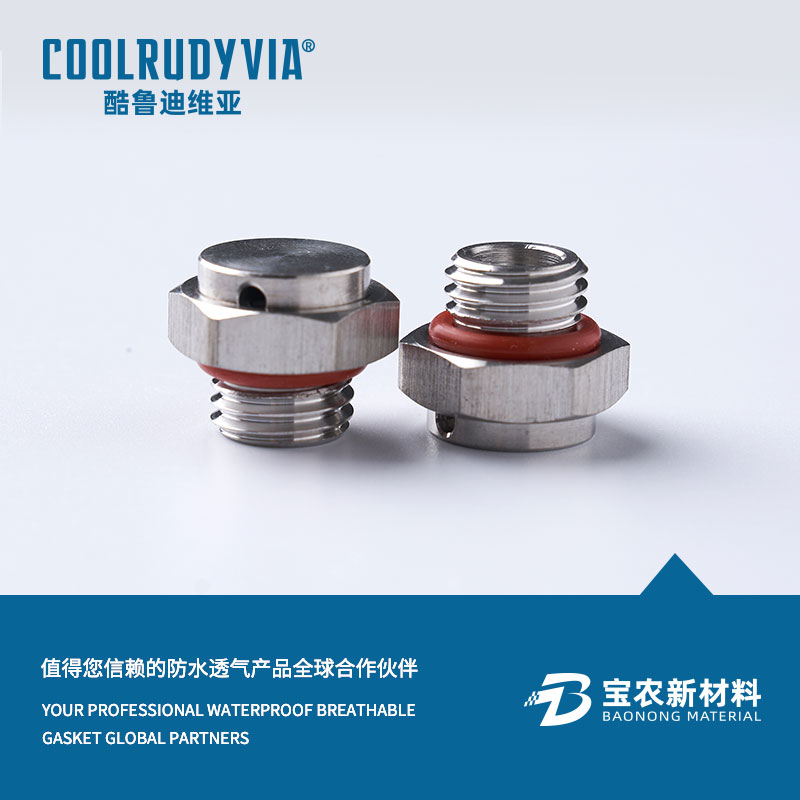
Material Selection for Replacement Plugs
When replacing, consider the polymer's long-term serviceability. The choice between a standard polypropylene (PP) plug and a high-grade disposable long-lasting breathable plug bulk option depends on the application. For sterile environments requiring single-use to prevent cross-contamination, a cost-effective, disposable polymer is ideal. For permanent installations, a high-temperature engineering plastic like PEEK or PPS is superior.
| Polymer Type | Max Service Temp (°C) Continuous | Chemical Resistance (Acid/Base) | UV Resistance (ASTM G154) | Typical Application |
|---|---|---|---|---|
| Polypropylene (PP) | 80 - 100 | Excellent | Poor (requires additive) | General HVAC, disposables |
| ABS (Acrylonitrile Butadiene Styrene) | 60 - 80 | Good | Poor | Cosmetic covers, interior use |
| Polycarbonate (PC) | 115 - 130 | Fair | Good (with coating) | High-impact, clear applications |
| Nylon 6/6 (PA66) | 150 - 170 | Good (Base) / Poor (Acid) | Moderate | High-temp, high-wear components |
Frequently Asked Questions (FAQs)
1. What is the difference between a long-lasting breathable plug and a plug in air vent with adjustable damper?
A long-lasting breathable plug is a passive component designed for continuous pressure equalization and contaminant exclusion using a membrane. A plug in air vent with adjustable damper is an active mechanical device that allows the user to modulate or shut off airflow entirely; it may not necessarily incorporate a breathable membrane.
2. How do I calculate the correct airflow for a best long-lasting breathable plug for sensitive skin application in a medical device?
For sensitive skin applications, the material must be hypoallergenic and non-leaching. The airflow is calculated based on the required venting rate to prevent pressure buildup. Use the formula Q = (ΔP × A) / R, where Q is flow rate, ΔP is maximum allowable pressure differential, A is membrane area, and R is the specific resistance of the membrane material (provided by the manufacturer in Gurley Seconds).
3. Can a magnetic plug in air vent cover be used in high-humidity environments like bathrooms?
Yes, but the magnet must be corrosion-resistant. Standard Neodymium magnets will oxidize rapidly. Specify magnets with a triple-layer coating (Nickel-Copper-Nickel) or opt for Ferrite (Ceramic) magnets, which have lower magnetic strength but are inherently corrosion-resistant. The sealing gasket must also be closed-cell foam to prevent moisture ingress behind the cover.
4. Are disposable long-lasting breathable plug bulk orders tested for batch consistency?
Professional manufacturers implement Statistical Process Control (SPC). Each batch should be accompanied by a Certificate of Analysis (CoA) detailing the air permeability (ml/min) at a defined pressure, dimensional tolerances (per ISO 286), and material identification via FTIR (Fourier-transform infrared spectroscopy) testing to ensure consistency across bulk orders.
5. What is the typical lifespan of a white plastic plug in air vent replacement exposed to indirect sunlight?
Lifespan depends on the UV stabilizer package. A standard white polypropylene plug without UV stabilizers may become brittle in 1-2 years. A plug compounded with a Hindered Amine Light Stabilizer (HALS) and titanium dioxide (TiO2) pigment can last 5-10 years. Look for specifications citing "UV-stabilized" or compliance with UL 746C for outdoor suitability.
References
1. American Society of Heating, Refrigerating and Air-Conditioning Engineers. (2021). ASHRAE Handbook—Fundamentals. Atlanta, GA: ASHRAE. (See Chapter 21: Duct Design).
2. International Organization for Standardization. (2017). ISO 294-2:2017 Plastics — Injection moulding of test specimens of thermoplastic materials — Part 2: Small tensile bars. Geneva: ISO.
3. ASTM International. (2020). ASTM D737-18 Standard Test Method for Air Permeability of Textile Fabrics. West Conshohocken, PA: ASTM International. (Commonly adapted for membrane testing).
4. CEN (European Committee for Standardization). (2016). EN 1751:2014 Ventilation for buildings - Air terminal devices - Aerodynamic testing of dampers and valves. Brussels: CEN.
5. Gibson, P., & Schreuder-Gibson, H. (2018). "Transport properties of porous membranes based on electrospun nanofibers." Colloids and Surfaces A: Physicochemical and Engineering Aspects, 187-188, 511-521. (Covers Darcy's Law application in fibrous media).

-
Phone Number
+86 138 6105 7907
-
Address
No. 58 Fengjiatou, Xiaoliu Village, Luoyang Town, Wujin District, Changzhou, Jiangsu, China
Copyright © Changzhou Baonong New Material Technology Co., Ltd.All rights reserved
PrivacyCustom Waterproof Breathable Membranes/Gaskets/Plugs/Caps