
 English
 中文简体
中文简体 Español
 عربى
عربى
Why Use a Waterproof Breathable Plug?
 2026.03.09
 Industry News
Content
- 1 What is a Waterproof Breathable Plug and How Does It Work?
- 2 Top Applications for Waterproof Breathable Plugs
- 3 Key Benefits of Using Pressure Equalization Waterproof Plugs
- 4 Choosing the Right Plastic Waterproof Breathable Cable Gland
- 5 Reliable Manufacturing Partner: Changzhou Baonong New Material Technology
- 6 Conclusion
- 7 Frequently Asked Questions (FAQ)
- 8 References
In the realm of electronic engineering and industrial design, protecting sensitive components from environmental factors is paramount. A waterproof breathable plug serves as a critical component in this protection strategy. It allows enclosed systems to "breathe" by permitting air and vapor transmission while blocking liquids and solid particles. This capability is essential for maintaining the integrity and longevity of electronic enclosures, automotive lighting, and other sealed units.
What is a Waterproof Breathable Plug and How Does It Work?
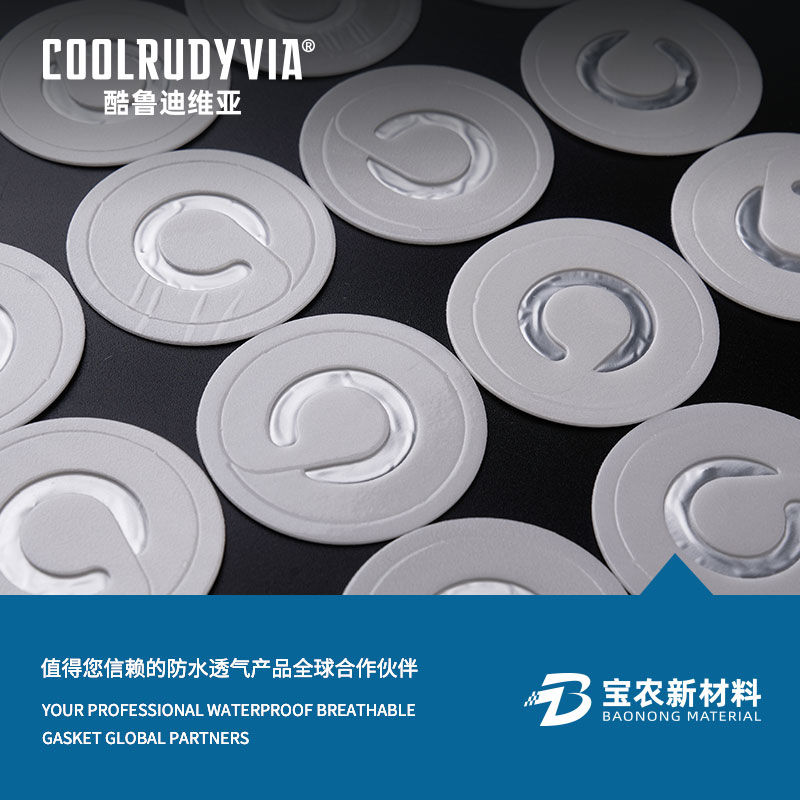
A waterproof breathable plug operates on the principle of selective permeability. At its core is a microporous membrane, typically made from expanded polytetrafluoroethylene (ePTFE) or polyurethane (PU). These membranes contain billions of microscopic pores per square centimeter. These pores are significantly smaller than a water droplet but larger than a gas molecule.
This structural characteristic creates a barrier against water, dust, and debris while allowing air molecules to pass through freely. Consequently, the device equalizes pressure differences between the interior of an enclosure and the external environment. Without this pressure equalization, temperature fluctuations could create a vacuum or pressure buildup, potentially leading to seal failure, leaks, or distorted housing.
Top Applications for Waterproof Breathable Plugs
The versatility of these components makes them indispensable across various industries. By integrating a waterproof breathable plug, engineers can solve complex challenges related to condensation and pressure differentials.
Waterproof Breathable Plug for Outdoor Enclosures
Outdoor electronic systems, such as security cameras, junction boxes, and telecommunication equipment, are subjected to rapid temperature changes. During the day, the sun heats the enclosure, expanding the internal air. At night, the air cools and contracts, creating a vacuum that can draw in moisture through cable glands or housing seals. A waterproof breathable plug for outdoor enclosures mitigates this risk by allowing continuous airflow, preventing the "breathing in" of moisture, and reducing condensation buildup that can short-circuit electronics.
M12 Waterproof Breathable Plug: The Industry Standard
In industrial automation and sensor technology, standardization is key. The M12 waterproof breathable plug is designed to fit standard M12 cable gland knockouts, offering a drop-in solution for existing designs. This specific thread size is ubiquitous in factory automation, making it an ideal choice for retrofitting or new installations where space is limited but reliable venting is required.
Waterproof Vent Plug for Automotive Electronics
The automotive industry demands high reliability under harsh conditions. A waterproof vent plug for automotive electronics is commonly found in ECUs (Electronic Control Units), sensors, and lighting systems. In headlamps, for instance, these vents prevent fogging by allowing moisture vapor to escape while stopping external water ingress, thereby ensuring optimal light output and safety.
Key Benefits of Using Pressure Equalization Waterproof Plugs
The primary function of a pressure equalization waterproof plug extends beyond simple venting. It actively protects the structural integrity of the housing. When enclosures are sealed without vents, pressure differentials can stress housing walls and O-rings, leading to premature failure.
The comparison between unvented and vented enclosures highlights the technical advantages:
| Feature | Unvented Enclosure | Enclosure with Pressure Equalization Plug |
| Internal Pressure | Fluctuates significantly with temperature. | Remains equalized with ambient pressure. |
| Seal Integrity | High risk of seal deformation and leaks. | Seals are protected from vacuum/pressure stress. |
| Condensation Risk | High; moisture gets trapped inside. | Low; vapor can escape, reducing humidity. |
| Maintenance Frequency | Higher frequency required to clear fog/moisture. | Lower frequency; "install and forget" solution. |
Choosing the Right Plastic Waterproof Breathable Cable Gland
Selecting the appropriate component requires an understanding of material compatibility and environmental ratings. A plastic waterproof breathable cable gland is often preferred for its corrosion resistance and lightweight properties compared to metal counterparts. When choosing a supplier, engineers must consider the ingress protection (IP) rating, chemical resistance, and airflow rate.
High-quality glands are typically made from materials like Nylon (PA66) or Polypropylene (PP), often reinforced with glass fiber for added strength. The membrane material must also be resistant to UV radiation and hydrolysis to ensure long-term performance in outdoor settings.
Reliable Manufacturing Partner: Changzhou Baonong New Material Technology
For B2B procurement, the source of the component is as critical as the component itself. Changzhou Baonong New Material Technology Co., Ltd. stands out as a specialized manufacturer in this field. Since its establishment, the company has rooted itself in the present, grasping development trends, and committed to entrepreneurship, innovation, and customer service in Changzhou (known as "Dragon City").
Rooted in Innovation and Quality
After eight years of development, Changzhou Baonong has established a solid position in the industry. It is one of the few standardized, modern, and high-quality integrated manufacturers specializing in waterproof and breathable membrane series products. The company owns an industrial standard workshop of over 6,000 square meters, providing a robust foundation for mass production and logistical efficiency.
Integrated R&D and Production Capabilities
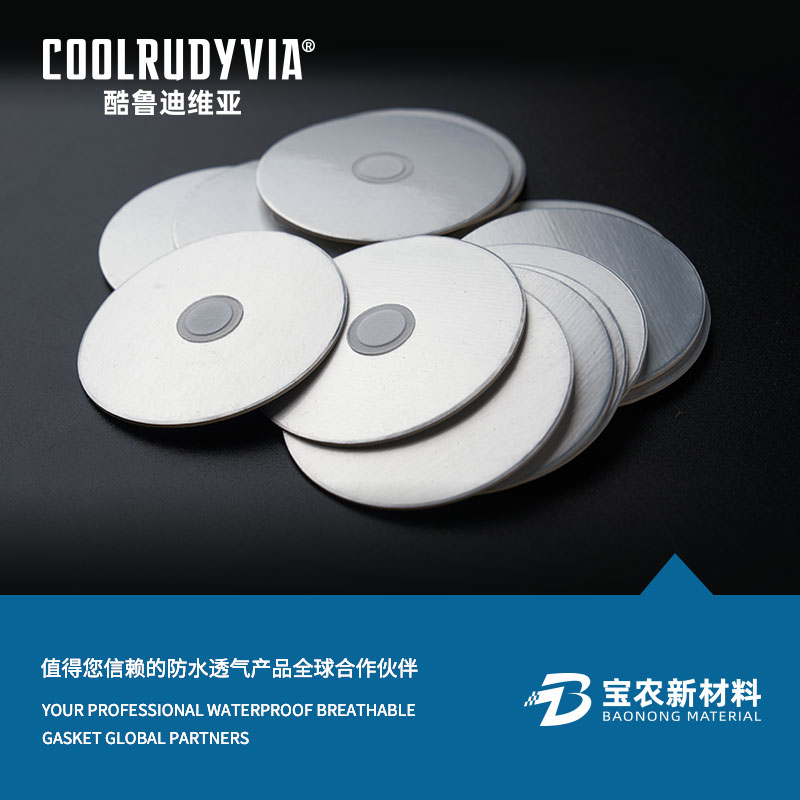
The company's R&D team is dedicated to the integrated process of design, R&D, production, and sales of products such as waterproof and breathable gaskets, plugs, and covers. Equipped with more than 90 sets of independent intellectual property-owned automated equipment that are high-speed, precise, stable, and reliable, Changzhou Baonong can provide customers with various professional products in a fast, stable, efficient, and high-quality manner.
Dual Inspection Mechanism for Safety
Quality assurance is non-negotiable for critical protection components. At Changzhou Baonong, each product undergoes a dual inspection mechanism of automatic equipment testing and manual inspection. This rigorous process ensures stable, reliable, and safe quality, helping customers gain consumer trust. Their products are widely applied in automotive headlamps, beverage bottle packaging, and pesticide packaging, ensuring safety in use and transportation with the feature of "breathable yet waterproof."
Conclusion
Integrating a waterproof breathable plug into electronic and industrial designs is a strategic decision that enhances product durability and reliability. From preventing seal failure in outdoor junction boxes to eliminating fog in automotive headlamps, the benefits of pressure equalization and moisture blocking are clear. Partnering with an experienced manufacturer like Changzhou Baonong ensures access to high-quality, rigorously tested solutions tailored for demanding applications.
Frequently Asked Questions (FAQ)
- What is the typical lifespan of a waterproof breathable plug?
High-quality plugs, such as those manufactured by Changzhou Baonong, are designed to last the lifetime of the enclosure. The ePTFE membrane is chemically inert and resistant to UV exposure, ensuring functionality for years even in harsh environments.
- Can a breathable plug prevent salt mist intrusion in marine applications?
Yes, specific membranes are treated to be oleophobic and hydrophobic, repelling water and surfactants. While the pores allow air to pass, the surface tension prevents saltwater droplets from penetrating, making them suitable for coastal and marine electronics.
- How do I install an M12 waterproof breathable plug?
Installation is straightforward. The plug is threaded and typically comes with a sealing nut or O-ring. It is screwed into a pre-drilled M12 hole on the enclosure wall and tightened to the recommended torque to ensure a watertight seal between the plug body and the housing.
- What is the difference between a breathable plug and a desiccant?
A breathable plug allows air exchange to equalize pressure and allows moisture to escape. A desiccant absorbs moisture already inside the sealed unit. Often, they are used together: the plug lets dry air in and moisture out, while the desiccant handles residual internal humidity.
- Are these plugs reusable?
Mechanically, they can be removed and reinstalled. However, care must be taken not to damage the threads or the sealing gasket. If the membrane becomes clogged with dust or oil, its airflow performance may degrade, at which point replacement is recommended.
References
- ASTM International. (2019). Standard Test Methods for Water Resistance of Coatings. ASTM D4585.
- Gore, W. L. (2020). Technical Manual: Venting Solutions for Automotive Lighting.
- International Electrotechnical Commission. (2018). IEC 60529: Degrees of protection provided by enclosures (IP Code).
- Changzhou Baonong New Material Technology Co., Ltd. (2023). Product Specifications and Testing Standards.

-
Phone Number
+86 138 6105 7907
-
Address
No. 58 Fengjiatou, Xiaoliu Village, Luoyang Town, Wujin District, Changzhou, Jiangsu, China
Copyright © Changzhou Baonong New Material Technology Co., Ltd.All rights reserved
PrivacyCustom Waterproof Breathable Membranes/Gaskets/Plugs/Caps