
 English
 中文简体
中文简体 Español
 عربى
عربى
What Is an Aluminium Foil Seal Liner?
 2026.03.16
 Industry News
Content
An aluminium foil seal liner is a multi-layer laminated disc inserted inside a bottle or container cap that creates a hermetic seal across the container opening after application. Combining the barrier properties of aluminium foil with adhesive, foam, or pulpboard backing layers, an aluminium foil seal liner provides tamper evidence, freshness preservation, leak prevention, and product integrity protection across a wide range of industries — from food and beverage packaging to pharmaceutical, agrochemical, and industrial chemical containers.
For packaging engineers, procurement managers, and private label brands, selecting the correct aluminium foil seal liner construction — matched to the container material, cap type, filling process, and regulatory requirements — is a fundamental packaging decision that directly impacts product safety, shelf life, consumer trust, and supply chain reliability. This guide provides a comprehensive technical and commercial examination of aluminium foil seal liners across all critical dimensions.
1. How Aluminium Foil Seal Liners Work
1.1 Layer Structure and Material Composition
An aluminium foil seal liner is not a simple single-material disc — it is a precision-engineered laminate structure in which each layer performs a specific functional role. The standard construction from top (cap-contact side) to bottom (container-contact side) typically comprises:
- Backing layer (cap-contact side): Pulpboard (paperboard), foam (PE or EVA), or PET film. This layer provides the cushioning and compression required to conform to minor container neck finish irregularities, ensuring uniform sealing force distribution around the circumference. Foam backing (PE or EVA, 0.5–2.0 mm thickness) is preferred for applications requiring high compliance on uneven or slightly warped neck finishes.
- Wax or release layer: A thin wax or lacquer layer that allows the backing layer to separate cleanly from the foil after sealing — leaving the foil seal bonded to the container and the backing layer retained in the cap. This separation mechanism provides the tamper-evident function: once the cap is removed, the foil and backing are separated, making re-sealing without visible evidence impossible.
- Aluminium foil layer: The functional barrier core of the liner. Standard foil gauges range from 12–40 µm. Thicker foil (25–40 µm) provides higher mechanical strength and puncture resistance for industrial and agrochemical applications; thinner foil (12–20 µm) is sufficient for food, pharmaceutical, and nutraceutical applications where the primary requirement is barrier performance rather than mechanical robustness.
- Heat-seal or adhesive layer (container-contact side): The layer that bonds the foil to the container neck finish. For induction sealing, this is a thermoplastic heat-seal coating (typically ionomer, LDPE, or EVA) that melts and bonds to the container rim under induction heating. For pressure-sensitive applications, this is a pressure-activated adhesive layer that bonds on contact without heat.
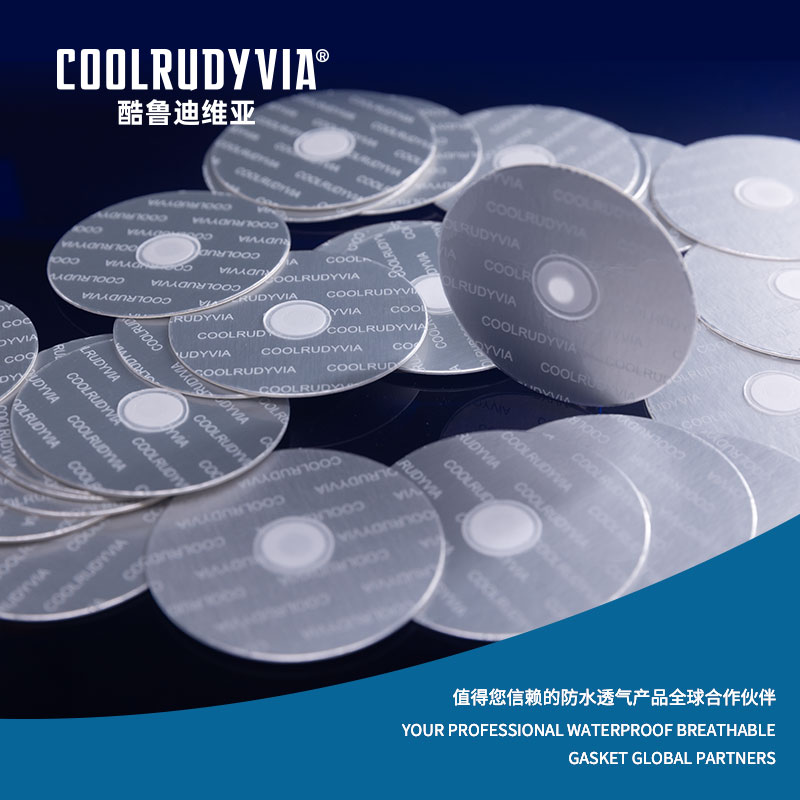
1.2 Induction Heat Seal Aluminium Foil Liner — Sealing Mechanism
The induction heat seal aluminium foil liner is activated by an electromagnetic induction sealing system positioned downstream of the capping station on the filling line. The sealing mechanism proceeds in three distinct phases:
- Phase 1 — Electromagnetic induction: As the capped container passes under the induction sealing head, an alternating electromagnetic field (operating frequency typically 27 kHz for tunnel-type sealers, up to 400 kHz for handheld units) induces eddy currents in the aluminium foil layer. These eddy currents generate resistive heating within the foil — temperatures of 120–200°C are reached in the foil within 0.1–0.5 seconds, depending on the sealer power level, conveyor speed, and foil gauge.
- Phase 2 — Heat-seal layer melting and bonding: The heat generated in the foil conducts outward to the thermoplastic heat-seal coating on the container-contact face. The heat-seal polymer melts (melt temperature: 85–130°C for ionomer, 105–115°C for LDPE) and flows into intimate contact with the container neck finish surface. Simultaneous cap clamping pressure (provided by the cap torque applied during capping) ensures uniform contact and eliminates air pockets from the seal zone.
- Phase 3 — Cooling and bond formation: As the container moves away from the induction field, the foil and heat-seal layer cool rapidly. The thermoplastic bond solidifies, creating a permanent hermetic seal between the foil and the container rim. Bond strength for correctly specified and applied induction heat seal aluminium foil liners typically exceeds 5 N/15 mm peel strength — sufficient to resist normal distribution stresses while allowing consumer removal by peeling or puncturing.
1.3 Pressure Sensitive Adhesive Aluminium Foil Liner — How It Differs
An aluminium foil seal liner pressure sensitive adhesive (PSA) design bonds to the container neck finish through contact pressure alone — no heat energy is required. The PSA layer is pre-applied to the container-contact face of the foil and covered with a release liner during storage; when the cap containing the liner is applied to the container with standard capping torque, the pressure activates the adhesive and creates the seal bond.
PSA liners are particularly suited to applications where induction sealing equipment is unavailable or uneconomical, where the container material is induction-incompatible (e.g., metal containers that would be overheated by induction), or where filling line throughput is too low to justify induction sealing capital investment. However, PSA seals generally provide lower bond strength and barrier performance than induction-activated heat seals — the adhesive bond strength depends critically on cap application torque consistency, container neck finish quality, and the PSA formulation's compatibility with the container material.
1.4 Seal Integrity Testing Methods
Verification of aluminium foil seal liner integrity is a mandatory quality control step in pharmaceutical, food, and agrochemical packaging operations. The primary test methods used in industry are:
- Peel strength test (ASTM F88): A 15 mm wide strip of the sealed foil is peeled from the container neck at 180° or 90° and the force measured. Minimum acceptable peel strength values depend on the application: typically 3–5 N/15 mm for food and consumer products, 5–10 N/15 mm for pharmaceutical and agrochemical applications.
- Vacuum leak test (ASTM D3078): Sealed containers are submerged in dyed water and subjected to a defined vacuum. Bubble streams from the seal zone or dye ingress after pressure restoration indicate seal failure. Applicable to flexible container formats.
- Dye penetration test: A colored dye solution is applied to the exterior of the seal zone and the container is inverted or pressurized. Dye ingress through the seal indicates incomplete bonding or pinhole defects in the foil layer.
- Torque retention test: Measures cap removal torque after sealing and conditioning — relevant for confirming that PSA seal bond strength does not cause cap over-torque that prevents consumer opening.
2. Types of Aluminium Foil Seal Liners
2.1 Induction Seal Liners vs Pressure Sensitive Liners — Full Comparison
The choice between induction-activated and pressure-sensitive aluminium foil seal liners is the primary construction decision for packaging engineers and procurement teams. While both types use the same aluminium foil barrier layer, their sealing mechanisms, performance profiles, and operational requirements differ substantially across all key parameters:
| Parameter | Induction Heat Seal Liner | Pressure Sensitive Adhesive Liner |
|---|---|---|
| Sealing mechanism | Electromagnetic induction + thermoplastic melt bonding | Contact pressure + PSA adhesive activation |
| Equipment required | Induction sealing unit (capital investment required) | None — standard capping equipment sufficient |
| Seal bond strength | High (5–15 N/15 mm typical) | Medium (2–6 N/15 mm typical) |
| Hermetic seal reliability | Excellent — consistent thermoplastic bond | Good — dependent on torque consistency |
| Tamper evidence | Excellent — foil tears visibly on first opening | Good — adhesive layer releases on opening |
| Compatible container materials | HDPE, PET, PP, LDPE, glass (non-metallic) | HDPE, PET, PP, glass, metal (broad compatibility) |
| Line speed capability | High (100–600 containers/min with tunnel sealer) | Limited by capping station throughput only |
| Unit cost | Lower per unit at high volumes | Higher (PSA layer adds cost) |
| Best application | High-volume food, pharma, chemical filling lines | Low-volume, offline filling, metal containers |
2.2 Aluminium Foil Seal Liner for Plastic Bottles — Material Compatibility
The aluminium foil seal liner for plastic bottles must be specified with a heat-seal coating chemistry matched to the specific resin of the container neck finish. Incompatible heat-seal coating and container material combinations produce weak, inconsistent, or completely failed seals that pass visual inspection but fail under distribution stress. The primary compatibility relationships are:
| Container Resin | Recommended Heat-Seal Coating | Seal Strength (N/15 mm) | Typical Application |
|---|---|---|---|
| HDPE (High-Density Polyethylene) | LDPE or ionomer (Surlyn-type) | 5–12 | Detergent, agrochemical, nutraceutical bottles |
| PET (Polyethylene Terephthalate) | Ionomer or co-extrusion PE/EVA | 4–10 | Food, beverage, pharmaceutical bottles |
| PP (Polypropylene) | PP-based heat-seal lacquer or ionomer | 3–8 | Yogurt, dairy, condiment containers |
| LDPE (Low-Density Polyethylene) | LDPE heat-seal coating | 4–9 | Squeeze bottles, flexible containers |
| Glass | Ionomer or EVA blend | 3–7 | Premium food, pharmaceutical, cosmetic jars |
2.3 Aluminium Foil Seal Liner for Food Packaging — Regulatory Requirements
An aluminium foil seal liner for food packaging must comply with food contact material regulations in every market where the packaged product will be sold. Non-compliance with food contact regulations can result in product recalls, regulatory penalties, and market access loss. The primary regulatory frameworks are:
- EU Regulation (EC) No 1935/2004: The framework regulation for all food contact materials in the European Union. Specific implementing measures for plastics (EU Regulation 10/2011) and active/intelligent packaging materials apply to the polymer layers within the liner laminate. All materials must be demonstrated to be inert — not transferring substances to food at levels that endanger human health or cause unacceptable organoleptic changes.
- US FDA 21 CFR: US Code of Federal Regulations Title 21 (Food and Drugs) governs food contact materials in the United States. Specific sections applicable to aluminium foil seal liner for food packaging include 21 CFR 175.300 (resinous and polymeric coatings), 21 CFR 176.170 (paper and paperboard), and 21 CFR 177.1010–177.2600 (semi-rigid and rigid acrylic and modified acrylic plastics).
- China GB 4806 series: China's national standards for food contact materials, administered by the National Health Commission (NHC). GB 4806.8 governs paper and paperboard food contact materials; GB 4806.6 covers plastics; GB 4806.9 covers metal materials including aluminium foil. Compliance documentation in Chinese must be available for market access.
- Migration testing: Regardless of jurisdiction, migration testing (overall migration limit: 10 mg/dm² per EU Regulation 10/2011; 10 mg/dm² for FDA) using food simulants (water, 3% acetic acid, 10% ethanol, olive oil or iso-octane for fatty foods) is required to demonstrate compliance. Third-party accredited laboratory test reports are typically required by retail buyers and regulatory authorities.
2.4 Single-Layer vs Multi-Layer Laminate Constructions
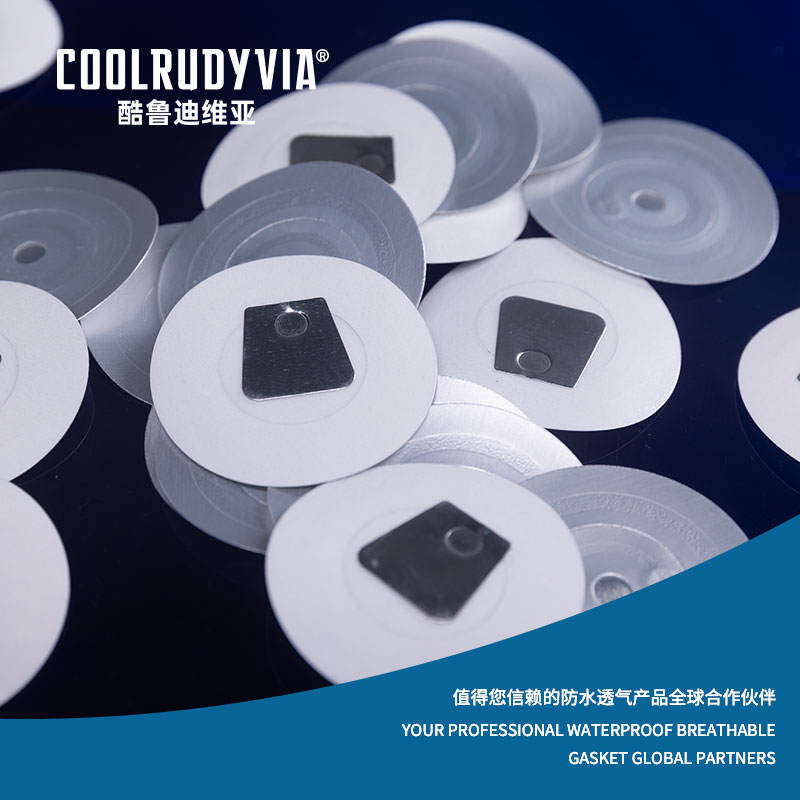
The number and composition of laminate layers in an aluminium foil seal liner determine its barrier performance, mechanical properties, and cost. Construction selection should be matched to the protection requirements of the specific product:
- Simple foil/heat-seal (2-layer): Aluminium foil + heat-seal coating only. Minimum construction — lowest cost, suitable for non-critical sealing applications where barrier performance is the primary requirement and cushioning or backing layer retention in the cap is not needed.
- Standard foam/foil (3-layer): Foam backing + wax/release + aluminium foil + heat-seal coating. The most widely used construction — foam backing provides compliance on imperfect neck finishes and is retained in the cap after opening, providing reclosure cushioning. Suitable for the majority of food, nutraceutical, and consumer chemical applications.
- Pulpboard/foil (3-layer): Pulpboard backing + wax/release + aluminium foil + heat-seal coating. Pulpboard provides higher compressive strength than foam — preferred for wide-mouth containers and applications where the cap must provide rigid support to the seal during capping torque application. Standard construction for pharmaceutical tablet and capsule bottles.
- Premium multi-layer (4–6 layers): Additional layers such as PET film reinforcement, EVOH barrier film, or metallized film add specific functional properties — oxygen barrier enhancement for oxygen-sensitive products, mechanical reinforcement for large-diameter seals, or tamper-evident printed layers for brand protection applications.
3. Key Applications by Industry
3.1 Food and Beverage Packaging
The food and beverage sector is the highest-volume application market for aluminium foil seal liners for food packaging. The hermetic seal provided by the liner prevents oxygen ingress, moisture transfer, and microbial contamination that would accelerate food spoilage — extending shelf life and enabling ambient-temperature distribution without refrigeration for many product categories. Critical performance requirements for food applications include:
- Oxygen transmission rate (OTR): 25 µm aluminium foil provides complete oxygen barrier (OTR = 0 cc/m²/day) — superior to any polymer-only lid or seal solution. This is essential for oxidation-sensitive products including edible oils, ground spices, coffee, and vitamin supplements.
- Aroma barrier: Aluminium foil prevents both flavor loss from the package (volatile aroma compounds) and flavor contamination from external sources — critical for premium coffee, tea, and spice products.
- Tamper evidence compliance: Retail food products increasingly require tamper-evident packaging as a consumer safety and brand protection measure. The induction heat seal aluminium foil liner provides a clearly visible tamper-evident function — the foil tears irreversibly on first opening, providing unambiguous visual evidence of prior access.
3.2 Pharmaceutical and Nutraceutical Containers
Pharmaceutical and nutraceutical applications impose the most stringent requirements on aluminium foil seal liners — combining regulatory compliance mandates (USP, EP, FDA cGMP), seal integrity verification protocols, and product stability protection requirements. Key pharmaceutical liner specifications include:
- Child-resistant compatibility: Liner construction and cap design must be validated as compatible with child-resistant closure (CRC) systems per ISO 8317 or 16 CFR Part 1700 (US CPSC). The liner must not impede CRC function or create a false-security situation where the liner alone appears to provide tamper evidence without true child resistance.
- Moisture vapor transmission rate (MVTR): Moisture-sensitive solid dosage forms (tablets, capsules, powders) require liners with MVTR <0.1 g/m²/day — achievable with standard aluminium foil constructions but not with polymer-only alternatives.
- USP 671 container performance: US Pharmacopeia Chapter 671 defines container closure integrity requirements for pharmaceutical packaging. Liner seal integrity must be validated against these requirements as part of the drug product's packaging development program.
3.3 Pesticide and Agrochemical Packaging
Agrochemical packaging presents the most demanding chemical resistance and regulatory requirements for aluminium foil seal liners. Pesticide formulations — particularly emulsifiable concentrates (EC), suspension concentrates (SC), and wettable powder (WP) products — contain aggressive solvents (aromatic hydrocarbons, ketones, esters) that can attack polymer layers within standard liner constructions, causing seal degradation, adhesive failure, or chemical migration into the product.
For pesticide applications, aluminium foil seal liner for plastic bottles constructions must be validated against the specific formulation chemistry using immersion testing (typically 30–90 days at 40°C per UN/FAO storage compatibility test protocols). Foil gauge should be 25–40 µm for mechanical robustness; heat-seal coatings should be solvent-resistant ionomer or modified polyolefin grades rather than standard LDPE. The liner must also comply with UN packaging certification requirements for the applicable Packing Group classification of the pesticide formulation.
3.4 Automotive and Industrial Chemical Bottles
Automotive fluids (brake fluid, transmission fluid, coolant additives) and industrial chemicals (lubricant additives, cleaning agents) packaged in HDPE bottles require aluminium foil seal liners that provide chemical resistance to hydrocarbons, glycol ethers, and surfactant systems. These applications additionally require the liner to maintain seal integrity across the temperature cycling experienced during storage and transport — from -20°C warehouse storage to 60°C+ in a vehicle trunk in summer conditions. Thermal cycling testing per ASTM D4169 (Distribution Cycle simulation) should be required from suppliers before approving liner constructions for automotive chemical applications.
4. How to Choose the Right Aluminium Foil Seal Liner
4.1 Matching Liner Construction to Cap and Bottle Material
Correct liner selection requires simultaneous consideration of the container neck finish material, the cap inner diameter and material, the capping torque applied on the filling line, and the sealing method (induction vs PSA). The liner outer diameter must match the cap inner diameter within ±0.3 mm to ensure complete coverage of the container neck finish without overlap folds (which create leak paths) or undersized coverage (which leaves unsealed areas at the neck periphery).
Cap material affects the induction sealing process: metal caps (aluminium, steel) are incompatible with induction sealing because the cap body itself is heated by the induction field, causing overheating and potential cap deformation. Only non-metallic caps (PP, PE, PET, phenolic) are compatible with induction heat seal aluminium foil liner systems. For metal-capped containers, aluminium foil seal liner pressure sensitive adhesive construction is the only viable liner sealing approach.
4.2 Temperature, Pressure, and Chemical Resistance Requirements
The operating environment of the filled and sealed container determines the performance requirements that the aluminium foil seal liner construction must meet throughout the product's distribution and shelf life:
- Temperature range: Confirm the liner's seal bond retains integrity across the full temperature range from manufacturing (typically 15–30°C) through worst-case distribution and storage conditions. PSA adhesive bonds are more temperature-sensitive than induction heat seals — most PSA liners are rated to 60–70°C maximum, while induction-sealed thermoplastic bonds withstand 80–120°C depending on polymer type.
- Internal pressure: Carbonated beverages, fermenting products, or pressurized aerosol-adjacent formulations generate positive internal pressure that the liner seal must resist without bubble formation or delamination. Seal burst pressure testing (ASTM F2096) should be specified for these applications.
- Chemical compatibility: The heat-seal coating, adhesive layer, and any polymer film layers within the laminate must be chemically compatible with the product formulation. Submit liner material specifications to a chemical compatibility database review (e.g., Cole-Parmer Chemical Resistance Guide) and validate with actual immersion testing before production approval.
4.3 Custom Aluminium Foil Seal Liner Wholesale — OEM/ODM Options
For brands and filling operations sourcing custom aluminium foil seal liner wholesale, customization options extend well beyond simple diameter specification. A qualified manufacturer can provide:
- Custom diameter and thickness: Liner diameter from 18 mm to 150 mm+ to match any standard or non-standard container neck finish. Total liner thickness from 0.5 mm to 3.0 mm depending on the backing layer specification.
- Custom layer construction: Tailored laminate designs specifying foil gauge, backing material type and thickness, heat-seal coating chemistry, and any additional functional layers required for the specific application.
- Printed foil surface: Brand logo, product name, lot number, QR code, or anti-counterfeit printing on the foil surface — visible to the consumer after cap removal. Provides brand reinforcement at the point of opening and adds a product authentication dimension.
- Colored backing: Foam or pulpboard backing in custom colors for brand differentiation and product line color-coding at the filling line.
- Custom packaging: Bulk polyethylene bags, partitioned cartons, or reel format depending on filling line liner feeding method (manual loading vs automated liner applicator).
4.4 Key Quality Indicators and Certification Checklist
When evaluating aluminium foil seal liner quality for B2B procurement, the following specifications and certifications should be verified before supplier qualification:
- Foil gauge measurement (µm) — verified by micrometer measurement on production samples.
- Peel strength test results (N/15 mm) — tested on the specific container material and with the intended induction sealer parameters.
- Food contact compliance documentation (EU 1935/2004, FDA 21 CFR, GB 4806 series as applicable to target markets).
- Migration test reports from accredited third-party laboratories.
- ISO 9001 quality management system certification.
- Material Safety Data Sheets (MSDS/SDS) for all liner components.
- Dimensional conformity certificate (diameter, thickness, tolerance) for each production batch.
5. Wholesale Sourcing and Supply Chain Guide
5.1 Why Buy Custom Aluminium Foil Seal Liners Wholesale
Sourcing custom aluminium foil seal liner wholesale delivers multiple compounding advantages for filling operations, contract manufacturers, and packaging distributors operating at commercial scale:
- Unit cost reduction: Wholesale pricing for aluminium foil seal liners typically delivers 35–60% lower unit cost versus small-quantity sourcing. At 100,000+ unit volumes, liner cost as a proportion of total packaging cost drops to a manageable fraction, preserving margin without compromising seal quality.
- Production batch consistency: A single wholesale production run from one laminate batch ensures consistent foil gauge, heat-seal coating weight, and dimensional tolerances across the entire order — eliminating the batch-to-batch variation that accumulates when sourcing across multiple small orders or multiple suppliers.
- Custom specification access: Most liner manufacturers only offer custom diameter, construction, and printing options at minimum order quantities that correspond to wholesale purchasing volumes. Standard stock items cover only a limited range of diameters and constructions.
- Supply security: Holding finished liner inventory decouples filling schedules from supplier lead times, reducing stockout risk during peak production periods or supply chain disruptions.
5.2 MOQ, Lead Time, and Packaging Specifications
| Parameter | Standard Stock Items | Custom Specification Items |
|---|---|---|
| MOQ | 5,000–50,000 pieces per SKU | 50,000–500,000 pieces (depending on diameter and construction) |
| Lead time | 5–15 days | 20–45 days (inc. material sourcing, laminating, die-cutting, QC) |
| Standard packaging | Bulk PE bags, 1,000–5,000 pcs per bag | Custom per filling line requirements (bulk bag, partitioned carton, reel) |
| Export packaging | Carton + pallet, standard export marks | Per buyer specification including desiccant and moisture barrier if required |
| Payment terms | 30–50% deposit, balance before shipment | 30–50% deposit, balance on sample approval + production completion |
5.3 Supplier Evaluation Criteria for B2B Buyers
A structured supplier evaluation process is essential for aluminium foil seal liner procurement given the direct product safety implications of liner quality in food, pharmaceutical, and agrochemical applications:
- Raw material traceability: Confirm that the supplier can provide mill certificates for aluminium foil raw material (specifying alloy, temper, and gauge tolerance) and polymer resin certificates for all laminate layers — enabling downstream food contact compliance documentation to be assembled.
- In-process quality control: Evaluate the supplier's in-process QC system: online thickness measurement, coating weight verification, die-cut dimension checking, and visual inspection protocols. Automated inspection combined with statistical process control (SPC) data availability indicates a mature quality system.
- Sample and testing support: Reputable suppliers provide pre-production samples with measured performance data (peel strength, dimensions, foil gauge) before production commitment, and can coordinate or provide independent laboratory test reports for food contact migration testing.
- Certifications: Minimum requirements: ISO 9001 QMS certification. For food and pharmaceutical liner supply: food safety management system certification (ISO 22000 or FSSC 22000) is increasingly required by brand owners and retail chain buyers as a prerequisite for supplier qualification.
5.4 Quality Control and Inspection Standards
Incoming inspection of custom aluminium foil seal liner wholesale deliveries should follow a documented inspection plan aligned with the criticality of the liner application:
- Dimensional inspection: Sample diameter and thickness measurement per AQL 2.5 (ISO 2859-1) for critical dimensions. Diameter out-of-tolerance by >0.5 mm can cause either cap fit issues (oversized) or incomplete neck finish coverage (undersized).
- Visual inspection: Check for foil surface defects (pinholes, scratches, delamination), print registration accuracy (for printed liners), and backing layer uniformity. Pinholes in the aluminium foil layer destroy the barrier function and are unacceptable in any pharmaceutical or oxygen-sensitive food application.
- Functional seal test on production equipment: Seal a production-representative sample of filled containers using the actual production induction sealer and capping torque settings. Measure peel strength on minimum 10 consecutive sealed containers and verify all fall within the specified range.
- Retention sample: Retain a defined quantity of each production batch (typically 100–500 pieces) for at least the product shelf life period, enabling investigation of any field seal performance issues that emerge after distribution.
6. About Baonong — Aluminium Foil Seal Liner Manufacturer
6.1 Eight Years of Specialized Manufacturing
Since its establishment, Changzhou Baonong New Material Technology Co., Ltd. has been rooted in its base in Changzhou — known as "Dragon City" — and committed to entrepreneurship, innovation, and customer service. After eight years of focused development, Baonong has established a solid position in the industry as one of the few standardized, modern, and high-quality integrated manufacturers specializing in waterproof and breathable membrane series products, including aluminium foil seal liners and related packaging components.
The company owns an industrial standard workshop of over 6,000 square meters, providing the production space and environmental control required for precision laminate manufacturing. Baonong's R&D team is dedicated to the integrated process of design, R&D, production, and sales — ensuring that product development is driven by both technical innovation and practical manufacturing feasibility, enabling rapid customization for custom aluminium foil seal liner wholesale customers.

-
Phone Number
+86 138 6105 7907
-
Address
No. 58 Fengjiatou, Xiaoliu Village, Luoyang Town, Wujin District, Changzhou, Jiangsu, China
Copyright © Changzhou Baonong New Material Technology Co., Ltd.All rights reserved
PrivacyCustom Waterproof Breathable Membranes/Gaskets/Plugs/Caps