
 English
 中文简体
中文简体 Español
 عربى
عربى
Waterproof Vent Plug: Complete Guide for Pressure Equalization and Protection
 2026.08.03
 Industry News
Content
A complete technical guide to waterproof vent plugs — pressure equalization, moisture protection, and application selection.
Waterproof
Vent Plug
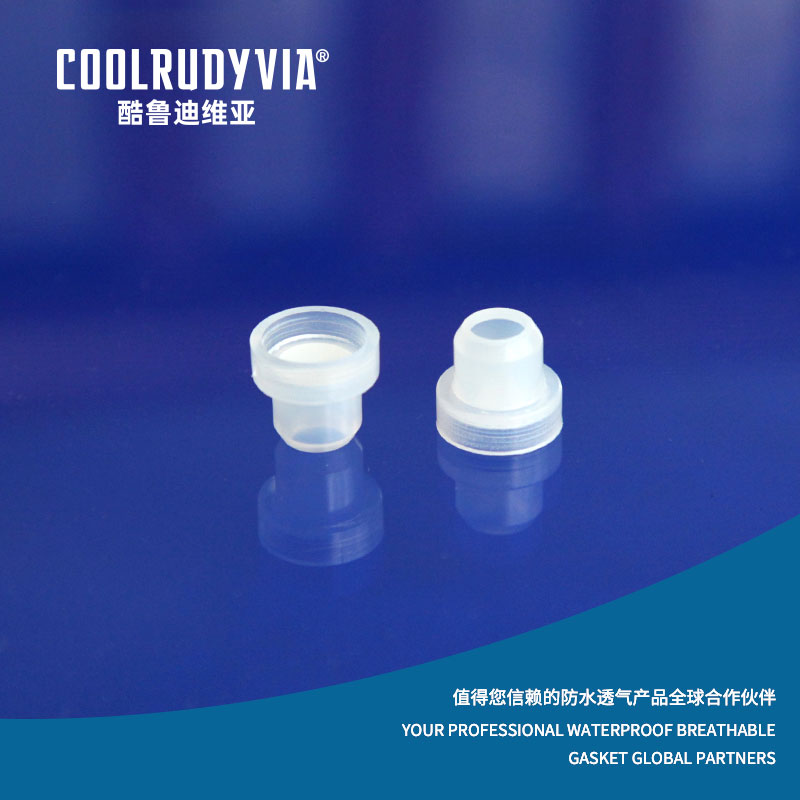
A waterproof vent plug is a protective component that allows pressure equalization while blocking liquid water, dust, and contaminants. It integrates a breathable ePTFE membrane into a rugged housing, providing reliable protection for electronics, automotive lighting, industrial enclosures, and outdoor equipment.
Prevents seal failure and condensation
Blocks liquid water and dust
Withstands -40°C to +125°C
What Is a Waterproof Vent Plug
A waterproof vent plug is a threaded or push-fit component that combines a protective housing with a breathable membrane. It is installed in enclosures to balance internal and external pressure while preventing water ingress, dust entry, and contamination. Unlike simple plugs or gaskets, a waterproof vent plug incorporates a microporous ePTFE membrane that allows air and gases to pass through while blocking liquid water and fine particles.
The need for pressure equalization arises from the fundamental physics of sealed enclosures. When a sealed enclosure is subjected to temperature changes, the air inside expands or contracts, creating pressure differentials that can stress seals, cause gasket failure, or even damage the enclosure itself. In automotive applications, a headlamp can experience temperature swings from -40°C to over 100°C during operation, creating significant pressure differentials that must be managed to prevent seal failure and condensation.
Waterproof vent plugs address this challenge by providing a controlled path for air movement while maintaining a liquid barrier. The ePTFE membrane inside the plug has billions of micro-pores per square centimeter — small enough to block water droplets and dust particles, but large enough to allow gas molecules to pass through freely. This selective permeability is the key to the vent plug's functionality.
Pressure differentials are one of the leading causes of seal failure in electronic enclosures — a waterproof vent plug eliminates this risk by providing a controlled path for pressure equalization.
These plugs are used in automotive lighting, electronic housings, outdoor sensors, industrial control boxes, and any sealed enclosure that experiences pressure changes during operation or temperature fluctuations. The applications are diverse, but the underlying need for reliable pressure management is universal.
How a Waterproof Vent Plug Works
The waterproof vent plug operates through the principle of passive pressure equalization. When the internal temperature of an enclosure increases, the air inside expands and must escape to prevent pressure buildup. When the temperature drops, the air contracts and external air must enter to prevent vacuum formation. The ePTFE membrane inside the vent plug allows this airflow while maintaining a liquid barrier.
The membrane's microporous structure is the result of a specialized manufacturing process that expands PTFE (polytetrafluoroethylene) to create a network of interconnected fibrils. This structure creates pores that are approximately 0.2 to 0.5 microns in diameter — small enough to block liquid water (which has a surface tension that prevents it from passing through these tiny pores) but large enough to allow gas molecules to pass freely.
During operation or exposure to sunlight, the enclosure temperature increases. The air inside expands, creating positive pressure.
Excess air escapes through the ePTFE membrane, preventing seal blowout and maintaining the integrity of the enclosure.
During cooling, the air inside contracts, creating negative pressure that could cause seal collapse or vacuum damage.
External air flows in through the membrane, equalizing pressure and preventing the formation of a damaging vacuum inside the enclosure.
In addition to pressure equalization, the membrane also enables rapid humidity diffusion, reducing the risk of condensation inside the enclosure. This is particularly important in applications where temperature cycling is frequent, such as automotive lighting and outdoor electronics. The combination of pressure management and humidity control makes waterproof vent plugs an essential component for long-term reliability.
Key Applications Across Industries
Waterproof vent plugs are used across a wide range of industries where enclosure protection and pressure management are critical. The specific requirements vary by application, but the fundamental need for reliable, long-lasting protection is universal.
Headlamps, taillights, and fog lamps are exposed to significant temperature swings during operation. Waterproof vent plugs prevent condensation, fogging, and pressure damage to seals and lenses, ensuring clear visibility and long service life.
Outdoor sensors, control boxes, and communication equipment require reliable protection against moisture and dust while maintaining pressure balance. Vent plugs extend the service life of sensitive electronic components by preventing corrosion and condensation.
Motors, gearboxes, pumps, and other industrial equipment often experience pressure changes due to operation and ambient conditions. Vent plugs protect seals and gaskets from blowout or collapse, extending service life and reducing maintenance costs.
Street lights, landscape lighting, and architectural lighting fixtures require long-term protection against moisture ingress while maintaining pressure balance. Vent plugs provide reliable performance in harsh outdoor conditions over extended periods.
Medical equipment often requires pressure equalization to prevent contamination and maintain sterility. Vent plugs provide reliable protection while allowing pressure balance in sensitive medical applications.
Solar panel junction boxes, wind turbine control cabinets, and battery storage enclosures require pressure management to protect sensitive electronics from moisture and pressure damage.
Key Specifications and Selection Parameters
When selecting a waterproof vent plug, several specifications must be carefully evaluated to ensure compatibility with your application. The following parameters are critical to achieving reliable performance.
IP67 provides protection against temporary immersion (up to 1 meter for 30 minutes). IP68 offers protection against continuous immersion at specified depths. Choose based on your expected exposure level.
Measured in ml/min at a specific pressure differential, the flow rate determines how quickly the plug can equalize pressure. Higher flow rates are required for larger enclosures and rapid temperature changes.
The pressure at which water begins to penetrate the membrane. Higher values indicate better water resistance. Typical values range from 20 kPa to over 100 kPa depending on the membrane design.
Ensure the plug materials can withstand the operating temperature extremes of your application. Standard automotive grade is -40°C to +125°C, while industrial grades may range from -40°C to +85°C.
Threaded plugs are installed into pre-drilled holes with matching threads, providing robust retention in high-vibration environments. Push-fit plugs are inserted into smooth holes for quick, tool-free assembly.
The plug housing and membrane must be compatible with the enclosure material and any chemicals present in the environment. Common housing materials include nylon, polypropylene, and brass.
In addition to these specifications, consider the enclosure volume, the expected rate of temperature change, and the required service life. For example, a large enclosure with rapid temperature cycling will require a vent plug with higher flow capacity than a small, stable enclosure. Consulting with the manufacturer can help ensure the right selection for your specific application.
Vent Plug Comparison: Threaded vs Push-Fit
Waterproof vent plugs are available in two primary mounting configurations, each with distinct advantages depending on the application requirements. Understanding the differences helps in selecting the most appropriate design.
- Installed into threaded holes with matching threads
- Provides robust mechanical retention, ideal for high-vibration environments
- Seals with O-ring or thread sealant for reliable protection
- Suitable for applications requiring periodic removal or maintenance
- Available in standard thread sizes (M4 to M20) for compatibility
- Installed into smooth, pre-drilled holes
- Quick assembly without tools, reducing installation time
- Ideal for high-volume production and automated assembly
- Secured with compression fit or snap-in design
- Typically lower profile for space-constrained applications
The choice between threaded and push-fit vent plugs depends on several factors, including the production volume, required retention force, access to both sides of the enclosure, and the need for future maintenance. Threaded plugs offer superior retention and are preferred in applications where the plug may need to be removed or replaced. Push-fit plugs are ideal for high-volume, low-cost applications where removal is not expected.
Installation Best Practices
Proper installation is critical to achieving reliable performance from a waterproof vent plug. Following these guidelines ensures the plug functions as designed and provides the expected protection.
Ensure the mounting hole is clean, burr-free, and within specified diameter and depth tolerances. For threaded plugs, verify thread engagement and quality. Contamination or debris can compromise the seal.
For push-fit plugs, apply consistent force during insertion to avoid damage to the plug or housing. Over-insertion can deform the seal or membrane. Use proper insertion tools when available.
For threaded plugs, use torque control to prevent over-tightening. Over-tightening can damage the threads, deform the housing, or crush the membrane. Follow manufacturer torque specifications.
Some vent plugs are directional, with the membrane designed to function in a specific orientation. Verify the correct orientation during installation to ensure the membrane functions as designed.
In addition to these installation guidelines, consider the following best practices: inspect the plug for any visible damage before installation, verify that the O-ring or sealing surface is clean and undamaged, and test the seal integrity after installation using appropriate leak testing methods. Regular inspection and maintenance of vent plugs should be part of the overall equipment maintenance schedule.
Benefits of Using Waterproof Vent Plugs
Waterproof vent plugs offer several significant benefits that make them an essential component in many applications. These benefits extend beyond simple pressure management to include improved reliability, extended service life, and reduced maintenance costs.
Reliability Improvement — By eliminating pressure differentials, vent plugs prevent seal failure that can lead to water ingress, contamination, and equipment damage. This improves overall system reliability and reduces the risk of unexpected failures.
Condensation Prevention — The vent plug's ability to allow humidity to escape prevents condensation from forming inside the enclosure. This is particularly important in applications where optical clarity is required, such as automotive lighting, or where condensation can cause corrosion and short circuits.
Extended Service Life — By reducing stress on seals and gaskets, vent plugs extend the service life of enclosure seals and the equipment itself. This reduces maintenance frequency and replacement costs.
Warranty Reduction — Failures caused by condensation, seal failure, or pressure damage are common warranty claims. Waterproof vent plugs help reduce these failures, improving customer satisfaction and reducing warranty costs.
Regulatory Compliance — Many industries have specific regulatory requirements for enclosure protection. Waterproof vent plugs help achieve compliance with IP ratings, UL standards, and other regulatory requirements.
Manufacturers such as Changzhou Baonong New Material Technology Co., Ltd. have developed a comprehensive range of vent plug solutions to meet these diverse application requirements.
Frequently Asked Questions

-
Phone Number
+86 138 6105 7907
-
Address
No. 58 Fengjiatou, Xiaoliu Village, Luoyang Town, Wujin District, Changzhou, Jiangsu, China
Copyright © Changzhou Baonong New Material Technology Co., Ltd.All rights reserved
PrivacyCustom Waterproof Breathable Membranes/Gaskets/Plugs/Caps