
 English
 中文简体
中文简体 Español
 عربى
عربى
Comprehensive Guide to Aluminum Alloy Breather Vent Plug: Applications and Selection
 2025.12.17
 Industry News
Content
Introduction
In modern machinery and automotive engineering, the Aluminum Alloy Breather Vent Plug has become an indispensable component. It not only serves as a ventilation, pressure relief, and leak prevention device, but also significantly improves system stability and longevity. Whether in car engines, motorcycle fuel tanks, or various industrial machines, choosing and installing the right Aluminum Alloy Breather Vent Plug is critical to ensuring safe and efficient operation.
This article covers the basic concepts, types, selection criteria, installation and maintenance, application cases, and industry trends of Aluminum Alloy Breather Vent Plug, providing detailed guidance for engineers, machinery enthusiasts, and professional maintenance personnel.
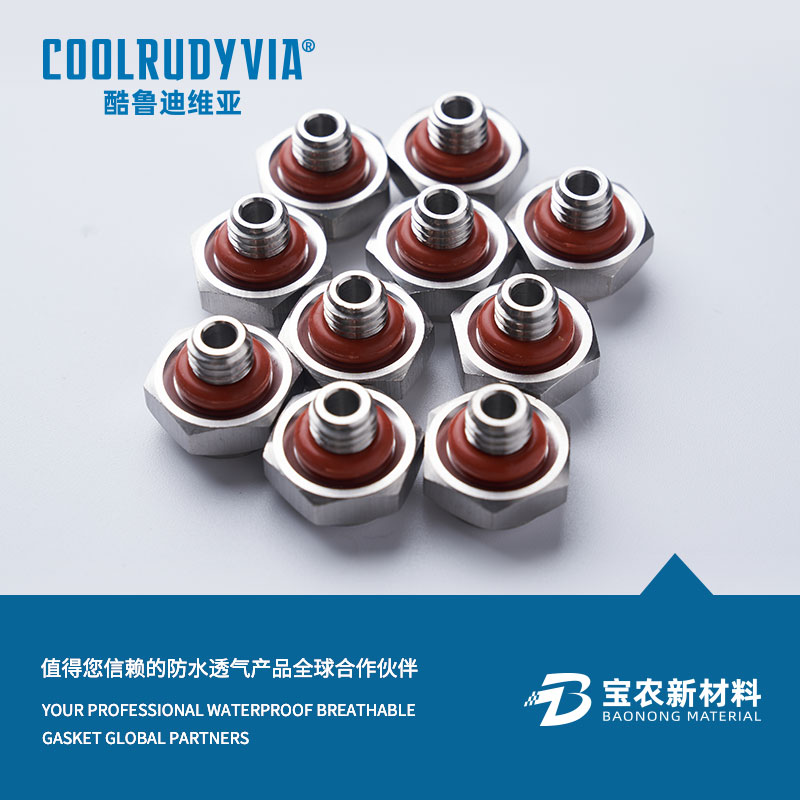
1. Basic Concept of Aluminum Alloy Breather Vent Plug
1.1 What is Aluminum Alloy Breather Vent Plug?
The Aluminum Alloy Breather Vent Plug is a device used in machinery to ventilate and relieve pressure. Typically installed in fuel tanks, engine blocks, or cooling systems, it allows internal pressure to balance with the external environment, preventing damage due to overpressure or vacuum.
Main features include:
- Lightweight: Aluminum alloy is lighter than steel, reducing overall equipment weight.
- Corrosion Resistance: Anodized aluminum surfaces effectively resist oxidation and chemical corrosion.
- Sealing Performance: Precision threads and sealing rings prevent fluid leaks while allowing air exchange.
1.2 Core Functions
The functions of Aluminum Alloy Breather Vent Plug go beyond simple ventilation:
- Ventilation: Allows air to flow in and out, balancing internal pressure.
- Pressure Relief: Prevents damage from excessive pressure.
- Leak Prevention: Maintains air circulation while preventing fluid leakage.
- Equipment Longevity: Reduces internal pressure fluctuations and wear.
2. Common Types and Related Components
2.1 Engine Breather Cap
The Engine Breather Cap is installed on the top of the engine or cylinder block to release exhaust gases and excess pressure. Using aluminum alloy ensures:
- High-Temperature Resistance: Suitable for engine operating conditions.
- Lightweight Design: Reduces engine weight impact.
- Corrosion Resistance: Protects against oil vapors and chemical exposure.
Application Example
In automobiles, installing an Aluminum Alloy Breather Vent Plug in the Engine Breather Cap reduces oil emulsification, improves lubrication, and extends engine life.
2.2 Oil Tank Vent Plug
The Oil Tank Vent Plug provides ventilation for fuel and oil tanks. It helps:
- Automatic Pressure Relief: Prevents tank deformation or leakage.
- Contamination Prevention: Stops dust or debris from entering the tank.
- High Adaptability: Works with various fluids, including engine oil and hydraulic oil.
Technical Features
Aluminum alloy ensures stability in high-temperature oil environments, with excellent sealing performance to maintain tank system reliability.
2.3 Radiator Vent Screw
In cooling systems, the Radiator Vent Screw removes trapped air, preventing circulation blockages. Benefits of aluminum alloy include:
- High Thermal Conductivity: Aluminum quickly dissipates heat, preventing hot spots.
- Corrosion Resistance: Resists coolant chemical corrosion.
- Easy Maintenance: Screw design allows for easy removal and cleaning.
2.4 Automotive Alloy Fittings
Automotive Alloy Fittings refer to various aluminum alloy parts in automotive systems, including breather plugs, connectors, and fasteners. Aluminum Alloy Breather Vent Plug works with these fittings to:
- Lightweight System: Reduces overall vehicle weight for improved efficiency.
- Durability: Resistant to wear and corrosion.
- Versatility: Compatible with different vehicle models and hydraulic systems.
2.5 Custom Aluminum Vents
For specialized machinery or high-performance vehicles, Custom Aluminum Vents offer tailored solutions:
- Custom Size and Threads: Matches unique equipment interfaces.
- Special Features: Anti-backflow or mesh ventilation designs.
- Enhanced Durability: Optimized for high temperature, corrosion, or pressure environments.
2.6 Type Comparison and Application Summary
| Type | Typical Application | Material Advantage | Key Function |
|---|---|---|---|
| Engine Breather Cap | Automotive engine | High-temperature aluminum alloy | Exhaust, anti-emulsification |
| Oil Tank Vent Plug | Fuel tank, hydraulic systems | Corrosion-resistant aluminum alloy | Pressure relief, leak prevention |
| Radiator Vent Screw | Cooling system | High thermal conductivity aluminum alloy | Air vent, prevent blockages |
| Automotive Alloy Fittings | Automotive system | Multipurpose aluminum alloy | Lightweight, wear-resistant |
| Custom Aluminum Vents | Special equipment | Customized aluminum alloy | Anti-backflow, customized functions |
3. Key Factors in Selecting Aluminum Alloy Breather Vent Plug
3.1 Material and Durability
Aluminum alloy grade (e.g., 6061, 7075) affects pressure resistance and corrosion resistance. Surface treatment such as anodizing or coating enhances oxidation protection.
3.2 Size Matching and Sealing
Thread specifications must match the equipment interface. Seal materials (silicone, fluororubber) affect temperature and chemical resistance.
3.3 System Compatibility
Check compatibility with Automotive Alloy Fittings or other components, and whether the plug withstands maximum system pressure and temperature.
3.4 High-Performance Custom Options
Custom Aluminum Vents can optimize design for special environments, including mesh filters or anti-backflow structures.
4. Installation and Maintenance Guide
4.1 Installation Steps
- Confirm Specifications: Check thread, size, and seal material suitability.
- Clean Interface: Remove dust, oil, or debris to ensure a smooth sealing surface.
- Tighten Properly: Align threads and use the appropriate torque to avoid damage or leaks.
- Function Test: Run the device or apply slight pressure to ensure ventilation works and no leaks occur.
4.2 Routine Maintenance
- Regular Cleaning: Remove dust, sludge, or debris from the vent holes.
- Check Seals: Replace aging seals, especially in high-temperature or chemical environments.
- Monitor Function: Ensure the vent is unobstructed and pressure is normal.
- Environmental Protection: Avoid exposure to strong acids, alkalis, or corrosive liquids.
4.3 Common Issues and Solutions
| Issue | Cause | Solution |
|---|---|---|
| Oil or fluid leakage | Seal aging or loose threads | Replace seal, retighten plug |
| Poor ventilation | Debris blockage or plug damage | Clean vent hole or replace plug |
| Pressure abnormality | Incorrect plug size or improper installation | Confirm specifications, reinstall |
| Corrosion or deformation | Long-term exposure to corrosive environment | Use corrosion-resistant materials, inspect regularly |
5. Application Cases and Industry Trends
5.1 Automotive Applications
In automotive engines and hydraulic systems, Aluminum Alloy Breather Vent Plug is widely used in:
- Engine Tops: Through Engine Breather Cap, exhaust gases are released, preventing oil emulsification.
- Fuel Tanks: Using Oil Tank Vent Plug to balance pressure and prevent leakage.
- Cooling Systems: With Radiator Vent Screw, air is vented to maintain efficient cooling.
For high-performance vehicles, Custom Aluminum Vents enhance system durability and reliability while meeting lightweight design requirements.
5.2 Motorcycles and Light Machinery
Motorcycles, ATVs, and light industrial machinery use Aluminum Alloy Breather Vent Plug to:
- Ensure pressure balance in fuel tanks, engines, and hydraulic systems.
- Prevent oil leakage or part damage under high load.
- Reduce weight for better handling and efficiency in extreme conditions.
5.3 Industrial Equipment
In industrial machines such as hydraulic systems, compressors, and pneumatic devices, Aluminum Alloy Breather Vent Plug:
- Keeps hydraulic oil flowing smoothly, preventing vacuum or bubbles.
- Regulates pressure to protect seals and avoid leaks.
- Removes trapped air in cooling systems, improving efficiency.
5.4 Industry Trends
- Lightweight: Aluminum alloy replaces steel parts to reduce overall weight.
- Customization: Custom Aluminum Vents meet specific size, function, and environment requirements.
- High Durability: Premium aluminum alloys and anodizing improve corrosion resistance and lifespan.
- Intelligent Monitoring: Future integration with pressure sensors for real-time ventilation monitoring.
6. Conclusion
Through this comprehensive guide, the key takeaways are:
- Core Value: Aluminum Alloy Breather Vent Plug ensures pressure balance, leak prevention, and durability in machinery and automotive systems.
- Types and Selection: Common types include Engine Breather Cap, Oil Tank Vent Plug, Radiator Vent Screw, etc. Selection depends on material, size, seal, compatibility, and customization needs.
- Installation and Maintenance: Proper installation and regular maintenance extend lifespan and prevent common failures.
- Application Prospects: Widely used in automotive, motorcycles, and industrial machines with growing demand due to lightweight, durability, and smart system trends.
In conclusion, although compact, Aluminum Alloy Breather Vent Plug is critical to system safety, performance, and longevity. Understanding its functions, selecting the right type, and proper installation and maintenance directly affect overall equipment performance and lifespan.

-
Phone Number
+86 138 6105 7907
-
Address
No. 58 Fengjiatou, Xiaoliu Village, Luoyang Town, Wujin District, Changzhou, Jiangsu, China
Copyright © Changzhou Baonong New Material Technology Co., Ltd.All rights reserved
PrivacyCustom Waterproof Breathable Membranes/Gaskets/Plugs/Caps