
 English
 中文简体
中文简体 Español
 عربى
عربى
Why Choose an Aluminum Alloy Breather Vent Plug?
 2025.12.17
 Industry News
Content
Understanding the Core Benefits of Aluminum Alloy Breather Vent Plugs
In the demanding world of industrial and automotive engineering, managing pressure differentials and preventing contamination is paramount for the longevity and reliability of equipment. The Aluminum Alloy Breather Vent Plug emerges as a critical component in this battle, offering a sophisticated solution that balances protection with performance. Unlike simpler plastic alternatives, aluminum alloy vents provide an unparalleled combination of strength, durability, and thermal resilience. This makes them the preferred choice for applications exposed to harsh environments, extreme temperatures, and significant mechanical stress. The inherent properties of aluminum alloy, such as its excellent corrosion resistance and high strength-to-weight ratio, ensure that these vent plugs can withstand the rigors of daily operation without degrading or failing. They are engineered not just to vent air but to act as a robust guardian for sensitive systems, preventing the ingress of water, dust, and other contaminants while allowing for the necessary equalization of pressure that occurs during normal operational cycles, such as heating and cooling. This fundamental function protects seals from blowing out, prevents vacuum formation that can suck in pollutants, and ultimately extends the service life of costly machinery and electronic components. The choice of an aluminum alloy vent is, therefore, a strategic investment in reliability and operational excellence.
- Superior material strength and resistance to physical impact
- Exceptional resistance to corrosion from moisture, salt spray, and industrial chemicals
- Lightweight design minimizes added load to equipment, crucial for automotive and aerospace applications
- Excellent thermal conductivity helps dissipate heat from enclosed components
- Long service life reduces maintenance costs and downtime
Superior Durability and Corrosion Resistance
The durability of an aluminum alloy vent plug is a cornerstone of its value proposition. Aluminum naturally forms a passive oxide layer that protects it from further oxidation, providing a baseline defense against rust and corrosion. This is often enhanced through anodizing or other surface treatments, creating an even more robust barrier. This makes them ideal for use in marine environments, outdoor applications, and settings where exposure to corrosive agents is a constant concern. The structural integrity of the aluminum ensures that the vent plug will not crack, warp, or become brittle under stress, maintaining a perfect seal and reliable venting performance over many years.
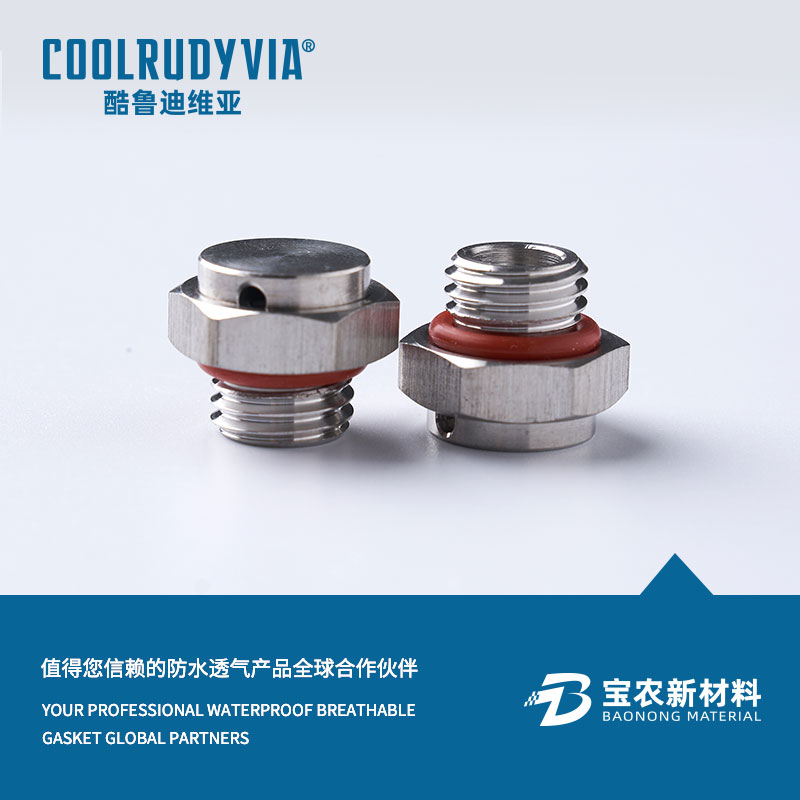
Lightweight yet Robust Construction
The high strength-to-weight ratio of aluminum alloy is a significant advantage, particularly in mobile applications like vehicles and aircraft. Every gram of weight saved contributes to improved fuel efficiency and performance. Despite being lightweight, these vent plugs do not compromise on strength. They can withstand high internal pressures and external mechanical forces, making them a robust solution for protecting critical components without adding unnecessary bulk or weight to the overall assembly.
Key Applications and Selection Guide
Selecting the correct breather vent is not a one-size-fits-all decision; it requires a careful analysis of the specific application's demands. Different environments and operational pressures call for specialized vent solutions. For instance, an electronic enclosure exposed to rain and spray has vastly different needs compared to a high-speed gearbox operating at elevated temperatures. Understanding these nuances is key to ensuring optimal performance and protection. This section explores several common applications and the specific types of vents that best suit them, providing a practical guide for engineers and technicians. The choice often hinges on factors like the required ingress protection (IP) rating, the operating pressure range, the type of contaminants present, and the physical space available for installation. By matching the vent's characteristics to the application's challenges, one can prevent common failures such as condensation, oil leakage, and seal damage. The evolution of vent technology has led to highly specialized products, from simple breather plugs to complex waterproof aluminum breather vent systems with advanced membranes, each designed to solve a unique set of problems in the field.
- Automotive: Gearboxes, axles, differentials, and electronic control units (ECUs)
- Industrial Machinery: Hydraulic reservoirs, gearboxes, electric motors, and pump housings
- Marine Equipment: Outboard motors, navigation systems, and sealed deck electronics
- Electronics and Telecommunications: Outdoor enclosures, cabinets, and weatherproof junction boxes
Waterproof Aluminum Breather Vent for Outdoor Electronics
For electronic enclosures deployed outdoors, protection from water ingress is non-negotiable. A waterproof aluminum breather vent is engineered to provide this defense while still allowing the enclosure to breathe. These vents typically incorporate a microporous membrane (often PTFE or ePTFE) that is laminated to an aluminum body. This membrane is hydrophobic, meaning it repels liquid water but allows water vapor and air to pass through. This is critical for preventing pressure buildup that could damage the enclosure or its seals, while also stopping condensation from forming inside by allowing humid air to escape. They are essential for anything from traffic control systems to cellular base stations.
| Feature | Benefit |
| Hydrophobic Membrane | Blocks liquid water and dust while allowing air to pass |
| IP68 Rating | Ensures protection against continuous submersion |
| Aluminum Housing | Provides durability and resistance to UV radiation |
Aluminum Vent Plug for Gearboxes and Housings
Gearboxes and gear housings present a unique challenge. During operation, the lubricating oil and internal components heat up, causing the air inside to expand and increase pressure. Without a proper vent, this pressure can force oil past seals, leading to leaks and potential environmental contamination. When the system cools, a vacuum can form, sucking in dust, water, and other contaminants that rapidly degrade the oil and wear out internal components. An aluminum vent plug for gearboxes is specifically designed to handle this cycle. They often include features like baffles or filters to prevent oil splash from escaping while still allowing free airflow.
| Vent Type | Ideal Use Case |
| Standard Breather Plug | Low-speed, low-temperature gearboxes with minimal oil splash |
| Baffled/Oil-Mist Resistant Vent | High-speed gearboxes where oil aerosolization is a concern |
When to Use a High Pressure Aluminum Vent Valve
Standard breather vents are designed for normal atmospheric pressure fluctuations. However, certain applications involve significant pressure differentials, such as hydraulic systems, high-performance engines, or equipment subjected to rapid temperature changes. In these scenarios, a high pressure aluminum vent valve is necessary. These valves are engineered to open and close at specific pressure thresholds, protecting the equipment from over-pressurization or excessive vacuum. They are essentially pressure relief valves that also serve as a breather, offering a dual function that is critical for safety and system integrity. The robust aluminum construction is essential to withstand the forces involved.
Installation and Technical Specifications
The performance of even the highest quality Aluminum Alloy Breather Vent Plug can be compromised by incorrect installation or a mismatch in technical specifications. Proper integration into the system is as important as the vent's design. This involves selecting the correct thread type and size to ensure a leak-free fit, using appropriate sealing methods like thread sealant or an O-ring, and installing the vent in the correct orientation—typically upright or in a location protected from direct spray and impact. Understanding the technical data sheet is crucial. Key parameters include the airflow rate (breathability), which is often measured in liters per minute at a specific pressure differential, and the operating temperature range, which must encompass all possible environmental conditions the equipment will face. A thorough review of these specifications before purchase and installation prevents future failures and ensures the vent will function as intended throughout its service life.
- Always clean the port before installation to prevent contamination from entering the system.
- Use a thread sealant compatible with the system's fluids and temperatures.
- Tighten to the manufacturer's recommended torque to avoid damaging the threads or the housing.
- Ensure the vent is accessible for future inspection or replacement.
Choosing the Right Threaded Aluminum Alloy Vent
The interface between the vent plug and the housing is a critical seal point. Threaded aluminum alloy vents are the most common type, offering a secure and reliable connection. The challenge lies in the variety of thread standards used globally. Selecting the wrong thread type will result in a poor seal, cross-threading, or an inability to install the vent at all. It is imperative to match the vent's thread exactly to the port in the equipment.
Common Thread Types (NPT, Metric, BSP)
Understanding the differences between thread standards is fundamental for engineers and procurement specialists. The most common types are NPT (National Pipe Thread), which is standard in the United States and Canada, and BSP (British Standard Pipe), which is prevalent in Europe and many other parts of the world. Metric threads are also widely used. These types are not interchangeable due to differences in thread angle, pitch, and diameter.
| Thread Type | Primary Region of Use | Sealing Method |
| NPT (National Pipe Thread) | North America | Seals on the threads (tapered) |
| BSP (British Standard Pipe) | Europe, Asia, Australia | Seals on a washer/gasket (parallel) or threads (tapered BSPT) |
| Metric (ISO) | Global, especially in machinery | Seals on a washer/gasket (parallel) |
Partnering with a Custom Aluminum Breather Vent Manufacturer
While standard off-the-shelf vents cover a wide range of applications, sometimes a unique challenge requires a unique solution. This is where partnering with a custom aluminum breather vent manufacturer becomes a strategic advantage. Customization allows for the optimization of every aspect of the vent, from its physical dimensions and thread type to its specific airflow characteristics, membrane material, and color. For OEMs integrating a vent into a new product, a custom-designed part can ensure a perfect fit, streamlined assembly, and performance that is precisely tailored to the product's operating environment. A reputable manufacturer will work closely with the client's engineering team, providing expert guidance and leveraging advanced manufacturing capabilities to produce a component that meets exacting specifications. This collaborative approach not only solves a technical problem but can also lead to a more robust, efficient, and cost-effective final product. The ability to customize extends to branding as well, with options for laser etching logos or part numbers, which aids in traceability and quality control. Ultimately, a custom solution is an investment in a product's overall quality and market competitiveness.
- Tailored dimensions and thread types for seamless integration
- Optimized airflow and pressure ratings for specific application needs
- Choice of membrane materials for specialized chemical or temperature resistance
- Branding and identification options for enhanced product traceability
- Engineering support to solve complex ventilation challenges
FAQ
How do I know what size breather vent I need?
Selecting the correct size depends on two primary factors: the internal volume of the enclosure you are venting and the rate of temperature change it will experience. A larger volume or a faster temperature change requires a vent with a higher airflow rate (breathability) to equalize pressure quickly enough to avoid stress on the seals. Manufacturers often provide graphs or formulas to calculate the required airflow based on these parameters. It's always better to slightly oversize the vent than to undersize it, as inadequate venting can lead to premature seal failure.
Can a breather vent be used to prevent oil leaks in a gearbox?
Yes, a breather vent is a critical component for preventing oil leaks in gearboxes. As the gearbox heats up during operation, the air and oil inside expand, creating pressure. Without a vent, this pressure can force oil past the shaft seals and gaskets. The vent allows this excess pressure to escape. When the gearbox cools, the vent allows air to re-enter, preventing a vacuum that could suck contaminants in. For gearboxes with significant oil splash, it's important to use a vent with a baffle or an oil-resistant design to prevent oil loss through the vent itself.
What is the difference between a breather plug and a pressure relief valve?
The primary difference lies in their function and activation. A standard breather plug is designed for continuous, passive airflow to equalize minor, normal pressure differences caused by temperature changes. It is always "breathing." A pressure relief valve, on the other hand, is a safety device that remains closed under normal conditions and only opens when a specific, high-pressure threshold is exceeded. It is designed to protect a system from catastrophic over-pressurization. Some advanced components, like high pressure aluminum vent valves, combine these functions, acting as a breather for normal pressures and a relief valve for emergencies.
How do I install a threaded breather vent to ensure it is waterproof?
Ensuring a waterproof installation for a threaded vent requires attention to detail. First, verify you are using the correct thread type and size. Clean both the male threads of the vent and the female threads of the port thoroughly. Apply an appropriate thread sealant (e.g., PTFE tape or a liquid sealant compatible with your application's temperature and chemicals) to the male threads. Then, carefully thread the plug into the port by hand to avoid cross-threading. Once hand-tight, use a wrench to tighten it further to the manufacturer's specified torque. This ensures the threads are properly engaged and the sealant creates a watertight barrier without damaging the components.

-
Phone Number
+86 138 6105 7907
-
Address
No. 58 Fengjiatou, Xiaoliu Village, Luoyang Town, Wujin District, Changzhou, Jiangsu, China
Copyright © Changzhou Baonong New Material Technology Co., Ltd.All rights reserved
PrivacyCustom Waterproof Breathable Membranes/Gaskets/Plugs/Caps