
 English
 中文简体
中文简体 Español
 عربى
عربى
Waterproof Breathable Foil Gaskets: Key to Modern Device Protection
 2025.12.17
 Industry News
Content
- 1 Advanced Sealing Technology Solves Critical Engineering Challenges
- 2 Targeted Technical Queries Guide Product Selection
- 3 Systematic Selection Process for Electronic Applications
- 4 Core Material Science: Micro-Porous Membranes
- 5 Automotive Lighting: A Demanding Application
- 6 Meeting Industry Standards: IP Rating Compliance
- 7 Industry Implications and Future Directions
Advanced Sealing Technology Solves Critical Engineering Challenges
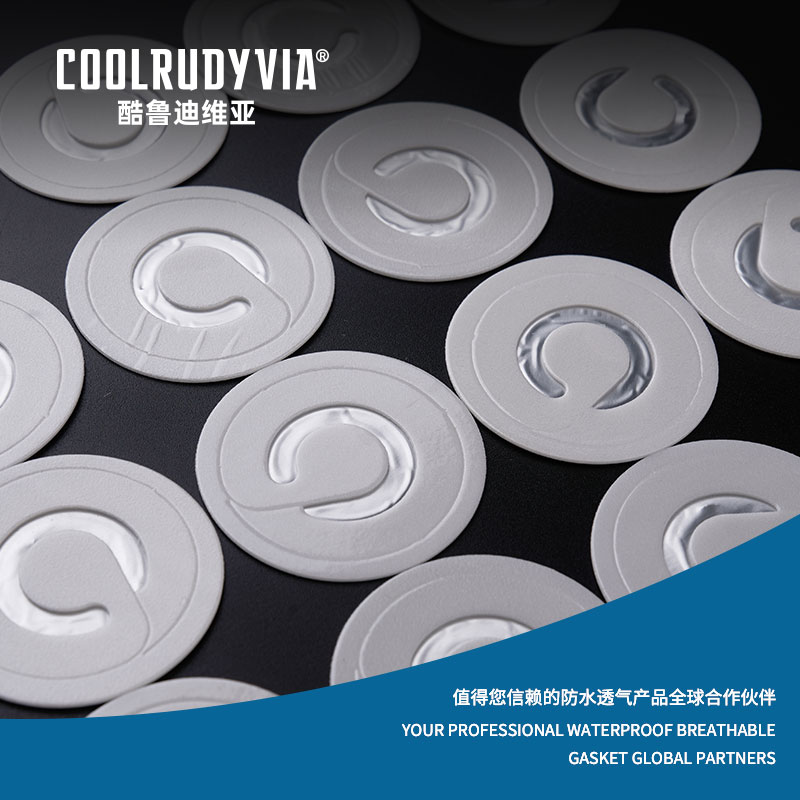
The evolution of waterproof breathable induction vented foil gaskets represents a significant advancement in protective sealing technology for modern electronics, automotive systems, and industrial equipment. These sophisticated components address the fundamental conflict between maintaining environmental seals and managing internal pressure differentials—a challenge that becomes increasingly critical as devices become more compact, powerful, and exposed to harsh conditions. At their core, these gaskets integrate a micro-porous membrane that allows air and vapor transmission while blocking liquid water, combined with a metallic foil backing that enables rapid, reliable bonding through induction heating. This technology has moved from a niche solution to a mainstream requirement across multiple industries, driven by the need for smaller form factors, higher reliability standards, and more stringent ingress protection certifications. Manufacturers specializing in this field, such as Changzhou Baonong New Material Technology Co., Ltd., have developed comprehensive expertise in designing, testing, and producing these critical components, supporting innovation in everything from automotive lighting to medical device packaging through their integrated approach to product development and quality assurance.
Targeted Technical Queries Guide Product Selection
Engineering professionals seeking solutions for specific applications often search for detailed technical information that addresses their particular challenges. These searches typically focus on comparative analysis, selection criteria, and performance validation—areas where specialized knowledge provides significant value. The following five long-tail keywords represent common and important queries in this technical domain, each addressing a distinct aspect of waterproof breathable gasket technology and application:
- how to choose waterproof breathable gasket for electronics enclosure
- induction vented foil vs traditional vent plugs for pressure equalization
- benefits of micro-porous membrane in waterproof breathable seals
- automotive LED headlamp venting solution with foil gasket
- IP rating requirements for waterproof breathable membrane gaskets
These search phrases reflect the practical concerns of design engineers, product managers, and quality assurance professionals who must implement effective sealing solutions in their products.
Systematic Selection Process for Electronic Applications
Comprehensive Evaluation Framework
When considering how to choose waterproof breathable gasket for electronics enclosure, engineers must navigate a complex decision matrix that balances multiple technical requirements. The selection process begins with a thorough analysis of the operating environment, including temperature extremes, chemical exposure, UV radiation, mechanical stresses, and potential contaminants. Each of these factors influences material selection—whether expanded PTFE, polyurethane, or other micro-porous membranes offer the best combination of chemical resistance, temperature tolerance, and long-term stability. The next critical consideration involves quantifying the breathability requirements based on internal heat generation, outgassing potential, and expected pressure cycles. An enclosure containing high-power processors or batteries may require significantly higher moisture vapor transmission rates than one housing low-power sensor circuitry.
The physical integration method represents another crucial decision point. Induction vented foil gaskets offer distinct advantages for high-volume manufacturing environments where automation, consistency, and speed are paramount. The induction bonding process creates a permanent, hermetic seal in seconds without the variability associated with manual adhesive application or liquid gaskets. This manufacturing compatibility must be evaluated alongside the enclosure's mechanical design—flange flatness, surface finish, material compatibility, and compression requirements all influence gasket performance. Additionally, regulatory compliance and certification needs, particularly for ingress protection ratings, dictate specific performance thresholds that the gasket must enable the enclosure to achieve. The comprehensive approach taken by specialized manufacturers, including material testing, application engineering support, and quality validation, helps streamline this selection process for product development teams.
Comparative Analysis of Sealing Technologies
Understanding the relative advantages of different sealing approaches requires a detailed comparison across multiple performance dimensions. This analysis is particularly relevant when evaluating the induction vented foil vs traditional vent plugs for pressure equalization. Traditional solutions, such as sintered polymer vents, breather tubes, or simple porous plugs, often represent compromises between breathability, sealing reliability, and long-term performance. These conventional approaches typically excel in initial cost but may underperform in demanding environments or over extended service periods. The induction vented foil gasket, by contrast, represents an integrated systems approach that combines multiple functions into a single, optimized component. The following table illustrates key differentiators between these technologies:
| Performance Aspect | Induction Vented Foil Gasket | Traditional Vent Plugs |
|---|---|---|
| Sealing Integrity | Hermetic perimeter seal via induction bonding; No leak paths around vent | Mechanical seal (press-fit, threaded); Potential leak paths at interface |
| Breathability Consistency | Engineered micro-porous structure with controlled pore size distribution | Variable pore structure from sintering process; Less consistency |
| Contamination Resistance | Oleophobic coatings available; Protected membrane surface; Less prone to clogging | Exposed porous structure; Susceptible to clogging from oils, dust, salts |
| Manufacturing Integration | High-speed automated bonding; Consistent process control; Low variability | Manual or semi-automated installation; Higher process variability |
| Long-Term Reliability | Stable materials (ePTFE, foil); Permanent bond; Consistent performance over time/temperature | Potential for mechanical loosening; Performance degradation if clogged |
| Design Flexibility | Custom shapes/sizes; Integrated EMI shielding possible; Low profile | Limited to standard sizes/forms; Often protrudes from surface |
This comparison highlights why induction vented foil technology has gained prominence in applications where reliability, consistency, and long-term performance are critical. The automated production capabilities of manufacturers in this space, such as Changzhou Baonong New Material Technology Co., Ltd., further enhance these advantages through precise process control and comprehensive quality assurance measures.
Core Material Science: Micro-Porous Membranes
Fundamental Principles and Performance Characteristics
The exceptional performance of modern waterproof breathable seals stems directly from the advanced material science behind micro-porous membranes. Exploring the benefits of micro-porous membrane in waterproof breathable seals reveals why these materials have become indispensable for demanding applications. Expanded PTFE (ePTFE) represents the most widely recognized and performance-proven membrane material, though polyurethane and other polymer variants also serve important roles in specific applications. The manufacturing process for ePTFE involves mechanically stretching PTFE film to create a matrix of nodes interconnected by fibrils, resulting in a structure that is predominantly air (often 70-90% porosity) while maintaining exceptional mechanical properties. The pore size distribution in high-quality membranes is tightly controlled during production, typically ranging from 0.1 to 3.0 micrometers—sufficiently small to block liquid water via surface tension effects while allowing free passage of gas molecules.
The waterproof mechanism is purely physical rather than absorptive or chemical. When liquid water encounters the hydrophobic membrane surface, the high surface tension of water prevents it from wetting the material and entering the microscopic pores. This effect remains effective up to a specific pressure threshold known as the bubble point—the pressure required to force liquid through the largest pore in the membrane structure. Quality membranes exhibit bubble points significantly higher than the hydrostatic pressures encountered in their intended applications, providing a substantial safety margin. Simultaneously, gas molecules (including water vapor, oxygen, and nitrogen) pass freely through the pores via diffusion, driven by concentration gradients or pressure differentials. This bidirectional functionality allows enclosures to equalize pressure during temperature changes or altitude variations while maintaining a perfect barrier against liquid ingress.
Enhanced Functionality and Application Advantages
Beyond the fundamental waterproof breathable functionality, micro-porous membranes offer several enhanced characteristics that contribute to superior product performance. Their permanent, maintenance-free operation represents a significant advantage over absorbent or desiccant-based solutions that have finite capacity and require periodic replacement. The membrane's physical structure does not degrade or become saturated from normal breathability functions, ensuring consistent performance throughout the product's service life. Chemical and environmental stability constitutes another major benefit—high-quality ePTFE membranes exhibit exceptional resistance to virtually all industrial chemicals, solvents, UV radiation, and temperature extremes from cryogenic conditions to over 250°C. This broad compatibility makes them suitable for applications ranging from laboratory equipment to automotive under-hood components.
The membranes also provide inherent particulate filtration, blocking dust and other airborne contaminants while permitting gas transmission. This characteristic contributes directly to achieving high IP ratings for solid particle ingress protection. Additionally, the extreme thinness and light weight of these membranes allow their integration into products without adding significant bulk or mass—a crucial consideration for portable electronics, wearable devices, and aerospace applications. When laminated to foil carriers and combined with specialized adhesives, these membranes transform into complete sealing solutions that address both environmental protection and pressure management requirements. The rigorous quality control implemented by dedicated manufacturers ensures these material benefits are consistently delivered, supporting reliable performance in critical applications across multiple industries.
Automotive Lighting: A Demanding Application
Technical Challenges in Modern Headlamp Design
The search for an effective automotive LED headlamp venting solution with foil gasket reflects the particularly demanding requirements of modern vehicle lighting systems. Contemporary automotive headlamps and taillamps present a unique set of engineering challenges that traditional venting approaches struggle to address adequately. These assemblies must withstand extreme environmental conditions—including temperature cycles from -40°C to over 120°C, exposure to road chemicals, high-pressure wash cycles, vibration, and potential impact—while maintaining perfect optical performance for the vehicle's entire service life. The shift from incandescent to LED and laser light sources has intensified these challenges, as the electronic drivers and heat sinks generate significant thermal loads that create substantial pressure fluctuations inside sealed lamp housings.
Without proper pressure equalization, these thermal cycles can lead to several failure modes. Positive pressure during heating phases can force past primary seals, potentially allowing moisture-laden air to enter the assembly. Subsequent cooling creates vacuum conditions that can distort housing components, invert seals, or draw in contaminants. The resulting condensation on interior lens surfaces represents one of the most common causes of customer complaints and warranty claims in the automotive industry. Traditional breather tubes and simple vent plugs often prove inadequate for modern requirements, as they can become clogged with road debris, freeze in winter conditions, or allow corrosive salt mist to enter and damage reflective surfaces and electronic components.
Integrated Venting Solutions for Enhanced Reliability
Induction vented foil gaskets provide a comprehensive solution to these automotive lighting challenges through their integrated design and robust performance characteristics. In typical applications, a custom-shaped gasket incorporating one or more micro-porous membrane patches is positioned on a flat sealing surface of the lamp housing. During assembly, induction heating rapidly activates the adhesive system, creating a permanent bond that seals the perimeter of the membrane while leaving the porous area functional for pressure equalization. This approach offers several distinct advantages for automotive applications. The continuous pressure equalization provided by the micro-porous membrane prevents stress buildup that could compromise primary seals or housing integrity, effectively eliminating fogging issues caused by condensation from pressure-induced temperature differentials.
The robust construction—combining a durable foil backing with a chemically resistant membrane—withstands the harsh under-hood environment, including exposure to oils, fuels, cleaning agents, and temperature extremes. The induction bonding process itself aligns perfectly with automotive manufacturing requirements, offering fast cycle times, process consistency, and compatibility with automated production lines. Additionally, the foil component can provide valuable secondary benefits, such as electromagnetic interference shielding for sensitive LED driver electronics or reflective properties that enhance thermal management. By adopting this integrated venting solution, automotive designers simplify lamp architecture, eliminate external vent components that could trap debris or compromise aesthetics, and achieve the high reliability standards demanded by vehicle manufacturers and consumers alike.
Meeting Industry Standards: IP Rating Compliance
Understanding Certification Requirements
The specification of IP rating requirements for waterproof breathable membrane gaskets represents a critical aspect of product development across numerous industries. Ingress Protection (IP) ratings, as defined by international standard IEC 60529, provide a standardized method for classifying the environmental protection offered by enclosures for electrical equipment. The rating consists of two digits: the first indicates protection against solid objects (on a scale from 0 to 6), and the second indicates protection against liquids (from 0 to 9). For waterproof breathable applications, achieving specific liquid protection ratings (particularly IPX4 through IPX8) while maintaining required breathability presents unique engineering challenges that micro-porous membrane technology is specifically designed to address.
It is essential to recognize that IP ratings apply to complete, assembled products rather than individual components. Therefore, a waterproof breathable gasket must enable the entire enclosure to pass standardized testing protocols while maintaining its pressure equalization function. This dual requirement demands careful engineering of both the membrane properties and the integration method. For spray and splash protection ratings (IPX4 to IPX6), the adhesive bond strength and membrane integrity under dynamic water impact become critical factors. For immersion ratings (IPX7 and IPX8), the membrane's bubble point pressure and the adhesive's resistance to hydrostatic pressure over extended periods determine success. Additionally, achieving dust protection ratings (IP5X and IP6X) relies on the membrane's ability to block fine particulates while still permitting gas transmission—a capability inherent in properly engineered micro-porous structures.
Design and Validation for Certification Success
Successfully designing products to meet specific IP rating requirements involves a systematic approach to gasket selection, enclosure design, and validation testing. The process typically begins with defining the target IP rating based on the product's intended use environment and any regulatory or customer specifications. With this target established, engineers can select appropriate membrane materials with suitable bubble points, chemical resistance, and temperature ratings. The enclosure design must complement the gasket technology, providing adequate sealing surfaces, proper compression, and protection from direct mechanical damage or excessive water pressure. The following table outlines key considerations for different IP rating targets:
| Target IP Rating | Key Test Conditions | Critical Gasket Properties | Design Considerations |
|---|---|---|---|
| IP54 / IP55 | Dust protection + water spray/splash from any direction | Membrane dust filtration; Adhesive bond under wet conditions | Gasket placement to avoid direct spray impingement; Proper flange design |
| IP65 / IP66 | Dust-tight + powerful water jets from any direction | High-strength adhesive bond; Membrane integrity under jet impact | Recessed or protected gasket placement; Robust mechanical design |
| IP67 | Dust-tight + temporary immersion (1m, 30 minutes) | Bubble point > 0.1 bar; Long-term adhesive stability in water | Buoyancy management during testing; Material water compatibility |
| IP68 | Dust-tight + continuous immersion beyond 1m | Very high bubble point; Exceptional chemical/hydrolytic stability | Depth/pressure specification; Extended validation testing |
| IP69K | Dust-tight + high-pressure, high-temperature water jets | Extreme temperature/pressure resistance; Robust adhesive bond | Specialized materials and design; Automotive/industrial focus |
Comprehensive validation typically involves not only standard IP testing but also environmental stress tests that simulate real-world conditions—thermal cycling, vibration, chemical exposure, and extended aging. This thorough approach ensures that products maintain their protective ratings throughout their intended service life. Specialized manufacturers support this process through material expertise, application engineering guidance, and sometimes even testing services, helping product development teams navigate the complexities of environmental certification with confidence.
Industry Implications and Future Directions
The continued advancement of waterproof breathable induction vented foil gasket technology carries significant implications for multiple industries striving to create more reliable, compact, and environmentally resistant products. As electronic devices become increasingly integrated into challenging environments—from industrial IoT sensors in harsh factory settings to consumer electronics used in outdoor activities—the demand for effective yet breathable sealing solutions will continue to grow. Similarly, automotive electrification and autonomous driving technologies are creating new requirements for sensor protection and thermal management that these advanced gaskets are uniquely positioned to address. The ongoing miniaturization of medical devices, coupled with stringent sterilization requirements, presents another growth area where micro-porous membrane technology offers distinct advantages.
Future developments in this field will likely focus on several key areas: enhanced membrane materials with higher breathability at smaller pore sizes, improved adhesion systems for challenging substrate materials, integration of additional functionalities (such as enhanced EMI shielding or thermal interface properties), and further automation of application processes to reduce costs and improve consistency. As environmental regulations become more stringent and consumer expectations for product durability increase, the role of specialized manufacturers with deep expertise in waterproof breathable technology will become increasingly important. Companies that combine material science innovation with application engineering support and robust quality systems, such as Changzhou Baonong New Material Technology Co., Ltd., are well-positioned to drive this technological evolution forward, enabling next-generation products across diverse industries while addressing the fundamental challenge of protecting sensitive components from environmental threats without compromising functionality or reliability.

-
Phone Number
+86 138 6105 7907
-
Address
No. 58 Fengjiatou, Xiaoliu Village, Luoyang Town, Wujin District, Changzhou, Jiangsu, China
Copyright © Changzhou Baonong New Material Technology Co., Ltd.All rights reserved
PrivacyCustom Waterproof Breathable Membranes/Gaskets/Plugs/Caps