
 English
 中文简体
中文简体 Español
 عربى
عربى
Do Air Vent Plugs Really Work for Enclosures?
 2026.04.16
 Industry News
Content
- 1 The Science Behind the Air Vent Plug
- 2 Evaluating Waterproof Air Vent Plug Effectiveness
- 3 Key Factors in Threaded Air Vent Plug Selection
- 4 How to Choose a Breathable Vent Plug for Enclosures
- 5 Installation Best Practices: Air Vent Plug Installation Torque
- 6 Understanding IIP-RatedAir Vent Plug Standards
- 7 Conclusion
- 8 Frequently Asked Questions (FAQs)
- 9 References
The Science Behind the Air Vent Plug
Engineers often face the challenge of sealing electronic enclosures while managing internal pressure. An air vent plug serves as a critical component in this scenario. It allows an enclosure to "breathe." This breathing capability equalizes pressure differences between the inside and outside of the housing. Without pressure equalization, seals can fail, leading to leaks.
Balancing Pressure Differentials
Temperature fluctuations cause the air inside a sealed enclosure to expand or contract. This process creates a pressure differential. If the internal pressure drops, the enclosure acts like a vacuum. It draws in moisture and contaminants through cable entries or door seals. A vent plug mitigates this risk by allowing air exchange.
Preventing Condensation Buildup
Moisture accumulation is a silent killer for electronics. Condensation forms when warm, moist air cools down inside the enclosure. A vent plug facilitates continuous airflow. This airflow removes trapped humidity. It keeps the internal environment dry and prevents corrosion on circuit boards.
Evaluating Waterproof Air Vent Plug Effectiveness
Many procurement officers ask about the effectiveness of the waterproof air vent plug. They wonder how a hole in the enclosure can keep water out. The secret lies in the hydrophobic and oleophobic properties of the membrane.
Membrane Technology and ePTFE
Most high-performance vent plugs use expanded polytetrafluoroethylene (ePTFE). This material has a microporous structure. The pores are much smaller than a water droplet. Gas molecules can pass through freely. However, liquid water cannot penetrate the surface tension barrier. This technology ensures the vent is both breathable and waterproof.
Protection Against Liquids and Solids
These vents provide robust protection against rain, splashing water, and even temporary immersion. They also block dust, dirt, and insects. Engineers must select the correct Ingress Protection (IP) rating for their specific application.
The table below compares common IP ratings for vent plugs:
| IP Rating | Solid Protection | Liquid Protection | Typical Application |
| IP65 | Dust-tight | Water jets | Outdoor lighting, Control boxes |
| IP66 | Dust-tight | Powerful water jets | Heavy machinery |
| IP67 | Dust-tight | Immersion (15cm - 1m) | Marine equipment, Sensors |
| IP68 | Dust-tight | Continuous immersion | Submersible pumps |
Key Factors in Threaded Air Vent Plug Selection
A comprehensive threaded air vent plug selection guide helps engineers avoid leakage issues. The selection process goes beyond just picking a thread size. It involves mechanical fit and material science.
Thread Standards and Fit
Engineers must match the plug thread with the enclosure port. Common standards include NPT (National Pipe Taper) and Metric (M-series). NPT threads rely on deformation to create a seal. Metric threads usually require an O-ring or gasket. Selecting the wrong thread type results in a poor fit and potential leakage paths.
Material Compatibility
The plug body material must withstand the operating environment. Polyamide (Nylon) is a common choice for general applications. Stainless steel suits corrosive or high-temperature environments. The material must also be compatible with the enclosure material to avoid galvanic corrosion.
Chemical and Thermal Resistance
Industrial settings often expose equipment to harsh chemicals. Plug materials must resist oils, solvents, and cleaning agents. Temperature range is another vital factor. The material should not become brittle in cold temperatures or soften in high heat.
The following table outlines properties of common plug body materials:
| Material | Temperature Range (°C) | Chemical Resistance | Strength |
| Polyamide (Nylon) | -40 to 125 | Good (Oils, Fuels) | High |
| Polypropylene (PP) | -20 to 100 | Excellent (Acids, Bases) | Medium |
| Stainless Steel | -50 to 300 | Superior | Very High |
| Brass | -40 to 200 | Good (Water, Oils) | High |
How to Choose a Breathable Vent Plug for Enclosures
Selecting the right breathable vent plug for enclosures requires calculating airflow needs. The vent must allow enough air to pass through to equalize pressure changes rapidly.
Airflow Rate Requirements
The required airflow rate depends on the enclosure volume and the rate of temperature change. Manufacturers specify airflow rates in liters per minute or cubic feet per minute. A larger enclosure needs a vent with higher airflow capacity.
Environmental Exposure Considerations
Engineers must assess the risk of direct water spray or immersion. Some vents are designed for "splash" zones. Others are built for submersion. The installation location on the enclosure also matters. Installing the vent on a protected side reduces direct exposure to rain.
Adhesive vs. Mechanical Bonding
Vents come in two main installation types: adhesive-backed snap-in vents and threaded metal or plastic plugs. Adhesive vents are quick to install on flat surfaces. However, threaded mechanical plugs provide a more secure seal for rugged applications. They are easier to replace during maintenance.
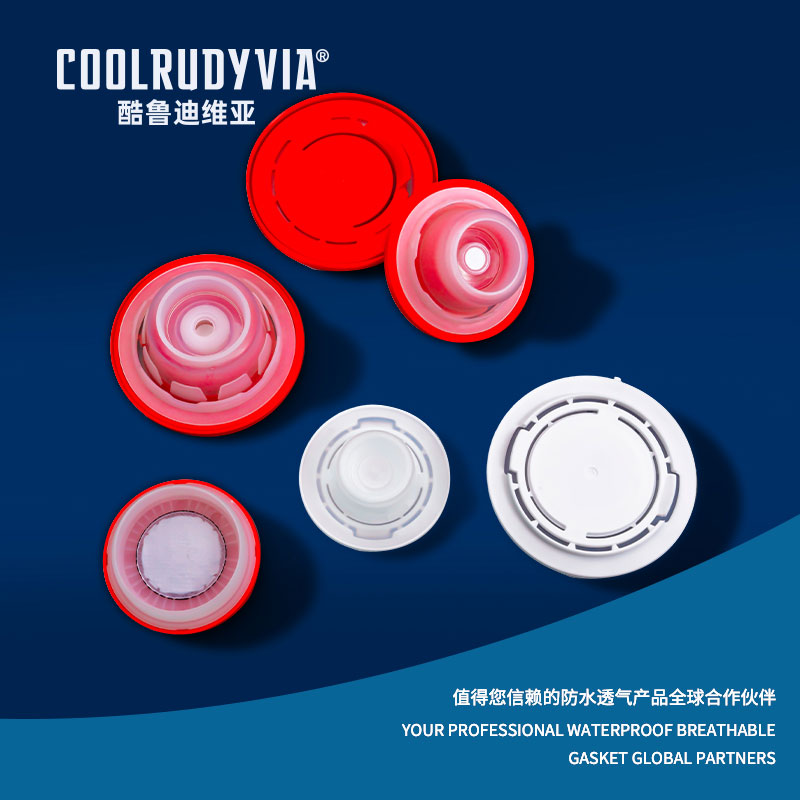
Installation Best Practices: Air Vent Plug Installation Torque
Proper installation is as important as product selection. Many failures occur due to incorrect air vent plug installation torque. Over-tightening can damage the O-ring or crack the enclosure wall. Under-tightening leaves a gap for water ingress.
Preparing the Mounting Surface
The mounting surface must be clean and smooth. Any debris or paint on the surface can compromise the seal. Engineers should use a clean cloth to wipe the area before installation. For threaded holes, ensure the threads are clean and undamaged.
Torque Specifications and Seating
Manufacturers provide specific torque values for their products. These values depend on the thread size and material. For plastic plugs, hand-tightening plus a quarter turn is often sufficient. For metal plugs, a calibrated torque wrench ensures accuracy. The O-ring must be fully seated in the groove to function correctly.
Common Installation Mistakes
- Using thread sealant tape on O-ring sealed plugs.
- Scratching the sealing surface during assembly.
- Ignoring the minimum wall thickness requirements.
- Reusing old O-rings that have taken a compression set.
Understanding IIP-RatedAir Vent Plug Standards
An IP-rated air vent plug carries a certification that defines its protection level. IP stands for Ingress Protection. It is a standard defined by the International Electrotechnical Commission (IEC).
Decoding IP Ratings
The rating consists of the letters "IP" followed by two digits. The first digit indicates protection against solids. The second digit indicates protection against liquids. For example, IP69K means the plug is dust-tight and can withstand high-pressure, high-temperature water jets.
Salt Spray and Corrosion Testing
For marine or outdoor applications, corrosion resistance is vital. Vents often undergo salt spray testing per ASTM B117 standards. This test exposes the vent to a saline fog for hundreds of hours. It verifies that the metal components and the membrane housing will not degrade prematurely.
Conclusion
A properly selected and installed air vent plug is essential for the longevity of electronic enclosures. It solves the paradox of keeping water out while letting air in. By understanding thread types, material properties, and IP ratings, engineers can ensure reliable protection. This small component prevents costly failures and maintains the integrity of sensitive equipment.
Frequently Asked Questions (FAQs)
- Can an air vent plug stop water ingress even during heavy rain?
Yes, the microporous membrane blocks liquid water droplets while allowing air molecules to pass. It functions effectively even during direct exposure to heavy rain. - Do I need to replace the vent plug periodically?
The membrane is designed for long-term use. However, if the vent becomes clogged with dust or dirt, it should be replaced to maintain proper airflow and pressure equalization. - What happens if I over-tighten a plastic vent plug?
Over-tightening can crack the plastic body or deform the O-ring excessively. This damage can create pathways for water to enter the enclosure, defeating the purpose of the vent.
References
- International Electrotechnical Commission (IEC). "IEC 60529: Degrees of protection provided by enclosures (IP Code)."
- ASTM International. "ASTM B117 - Standard Practice for Operating Salt Spray (Fog) Apparatus."
- Gore, W. L. "Protective Vents: Design and Engineering Guide."
- Donaldson Company. "Enclosure Vent Selection Technical Manual."
- Installation Instructions for Breathable Cable Glands and Vents. "Torque Settings and Best Practices."

-
Phone Number
+86 138 6105 7907
-
Address
No. 58 Fengjiatou, Xiaoliu Village, Luoyang Town, Wujin District, Changzhou, Jiangsu, China
Copyright © Changzhou Baonong New Material Technology Co., Ltd.All rights reserved
PrivacyCustom Waterproof Breathable Membranes/Gaskets/Plugs/Caps