
 English
 中文简体
中文简体 Español
 عربى
عربى
Why Choosing the Correct Aluminum Foil Gasket is Critical for HDPE vs. PET Containers
 2026.01.01
 Industry News
Content
- 1 1. Material Compatibility: Heat-Seal Layers and Molecular Bonding
- 2 2. 2025-2026 Regulatory Landscapes and Safety Innovations
- 3 3. Engineering for Specific Workloads: Venting and Leak-Proofing
- 4 4. Optimizing Production Efficiency on Automated Lines
- 5 Conclusion: Stability and Precision as an Industrial Asset
In the high-stakes environment of industrial packaging, the aluminum foil gasket serves as the definitive barrier against leakage, oxidation, and contamination. For packaging engineers and B2B procurement specialists, the challenge lies in the microscopic interaction between the induction liner and the container's orifice. With over 20 years of manufacturing excellence in high-precision sealing solutions, our company emphasizes that a "one-size-fits-all" approach often leads to catastrophic field failures. Achieving a hermetic seal requires a sophisticated understanding of the polymers involved and the thermodynamic parameters of the induction process.
1. Material Compatibility: Heat-Seal Layers and Molecular Bonding
The core of a successful induction seal is the heat-seal film laminated to the aluminum foil. This layer must be chemically and thermally compatible with the container material to create a molecular bond. When sealing HDPE (High-Density Polyethylene), the heat-seal layer is typically a PE-based polymer with a lower melting point than the container, allowing for a clean weld. Conversely, PET (Polyethylene Terephthalate) is a polar polyester with a higher surface energy and melting point, requiring a specialized PET-optimized heat-seal lacquer or film to ensure adhesion. Choosing a two-piece wax-bonded aluminum foil gasket for food-grade glass jars or plastic containers involves evaluating how the secondary liner (pulp or foam) assists in applying even pressure during the induction dwell time.
The difference in performance is stark: using a PE-optimized liner on a PET bottle will likely result in a "cold seal" that peels away under minimal torque, whereas the correct material pairing ensures the seal exceeds the burst strength of the container itself.
| Container Material | Surface Characteristics | Recommended Heat-Seal Layer | Bond Strength Performance |
| HDPE (Polyethylene) | Non-polar, Low Surface Energy | Polyethylene (PE) Film | Excellent Fusion Weld |
| PET (Polyester) | Polar, High Surface Energy | PET-Specialized Lacquer/Film | High-Strength Molecular Bond |
| Glass | Inert, High Thermal Mass | Universal or Specialized Glass Bond | Mechanical & Adhesive Bond |
2. 2025-2026 Regulatory Landscapes and Safety Innovations
The regulatory environment for 2026 has become increasingly stringent regarding material safety and consumer protection. According to the 2025 Market Forecast by Inductotherm Group, the integration of Industry 4.0 paradigms in sealing machinery now allows for real-time monitoring of seal integrity, reducing waste in high-velocity lines. Furthermore, the tamper-evident induction aluminum foil gasket for pharmaceutical PET bottles is now a global standard. Regulatory bodies, including the FDA in their July 2025 guidance updates, have emphasized the necessity of minimizing leaching from packaging components, particularly in parenteral and liquid drug products.
Source: FDA - Aluminum Content and Labeling Recommendations July 2025
The implementation of ASTM F1886-25, the latest revision for determining the integrity of primary packaging by visual inspection, provides engineers with standardized protocols for identifying channels as small as 0.003 inches in the seal area. This level of scrutiny ensures that aluminum foil gasket solutions meet the zero-defect requirements of the pharmaceutical and high-end food sectors.
Source: ASTM F1886/F1886M-25 - Standard Test Method for Integrity of Seals
3. Engineering for Specific Workloads: Venting and Leak-Proofing
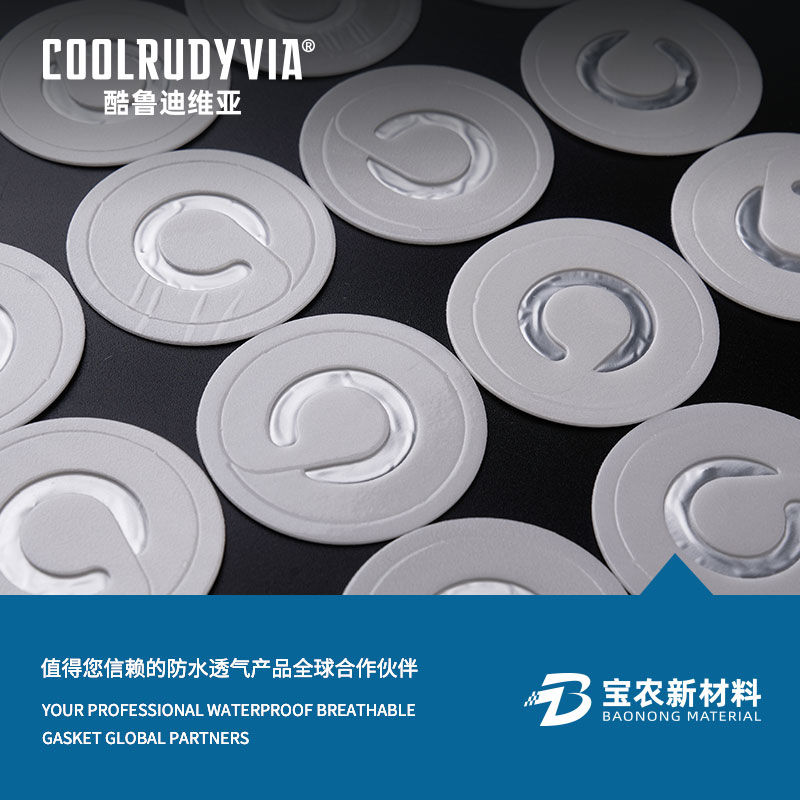
Not all liquids behave the same under storage. Agricultural chemicals often undergo off-gassing or oxygen scavenging, which can cause containers to bloat or collapse. For these applications, a venting aluminum foil gasket for agricultural chemicals and fertilizers is engineered with a microporous ePTFE membrane. This allows gas molecules to pass through while maintaining a liquid-tight barrier. In contrast, lubricants and oils require a leak-proof aluminum foil gasket for oil and lubricant containers with a high degree of chemical resistance to prevent the hydrocarbons from delaminating the foil from the heat-seal layer.
| Application Challenge | Standard Foil Gasket | Specialized Engineered Gasket |
| Internal Gas Buildup | Container Bloating/Bursting | Pressure Equalization (Venting) |
| Chemical Migration | Adhesive Failure/Leakage | Barrier Protection (Oil-Resistant) |
| Rough Handling | Seal Fracture | High-Elongation Multi-Laminates |
4. Optimizing Production Efficiency on Automated Lines
In a wholesale and high-volume manufacturing context, throughput is as important as seal quality. Utilizing a high-speed induction aluminum foil gasket for automatic capping lines ensures that the foil reaches its "activation temperature" in milliseconds. This is critical because even a 0.1-second deviation in induction dwell time can result in an overheated (scorched) liner or an under-sealed (leaking) bottle. Our manufacturing process ensures that the aluminum foil gasket has a uniform thickness and consistent metallic purity, which are the two most important variables in electromagnetic response consistency.
Conclusion: Stability and Precision as an Industrial Asset
Selecting the right aluminum foil gasket is an exercise in precision engineering. Whether you are managing a high-speed pharmaceutical line or a rugged agricultural chemical facility, the material compatibility between the liner and the container is the primary factor in ensuring shelf-life stability and brand reputation. As a leader in industrial sealing solutions for over two decades, we remain committed to providing our B2B partners with the technical expertise and high-performance components required to navigate the complexities of 2026's packaging standards.
Frequently Asked Questions (FAQ)
- 1. What is the main difference between one-piece and two-piece liners?
A one-piece liner leaves no residue in the cap after opening, while a two-piece liner leaves a secondary seal (like pulp or foam) in the cap to provide resealability after the foil is removed. - 2. Can I use the same induction sealer for HDPE and PET?
Yes, the machine is the same, but you must adjust the power and time settings, and more importantly, use the correct aluminum foil gasket designed for that specific polymer. - 3. How does "venting" work without causing a leak?
Venting liners use a specialized membrane that is hydrophobic and oleophobic, allowing air and gases to pass through while blocking liquid molecules due to surface tension. - 4. Why do my seals have wrinkles or scorch marks?
Wrinkles usually result from uneven cap torque, while scorch marks indicate either excessive induction power or the conveyor speed being too slow for the current power setting. - 5. Are these gaskets recyclable?
Most aluminum gaskets are separated from the container during use. While the foil itself is recyclable, the composite plastic layers often require specialized recycling streams; however, we are moving toward mono-material solutions for 2026.

-
Phone Number
+86 138 6105 7907
-
Address
No. 58 Fengjiatou, Xiaoliu Village, Luoyang Town, Wujin District, Changzhou, Jiangsu, China
Copyright © Changzhou Baonong New Material Technology Co., Ltd.All rights reserved
PrivacyCustom Waterproof Breathable Membranes/Gaskets/Plugs/Caps