
 English
 中文简体
中文简体 Español
 عربى
عربى
How Do Breather Plugs for Pesticides Ensure High Airflow While Remaining Leak-Proof During Shaking and Transportation?
The Science of Balancing Ventilation and Liquid Retention
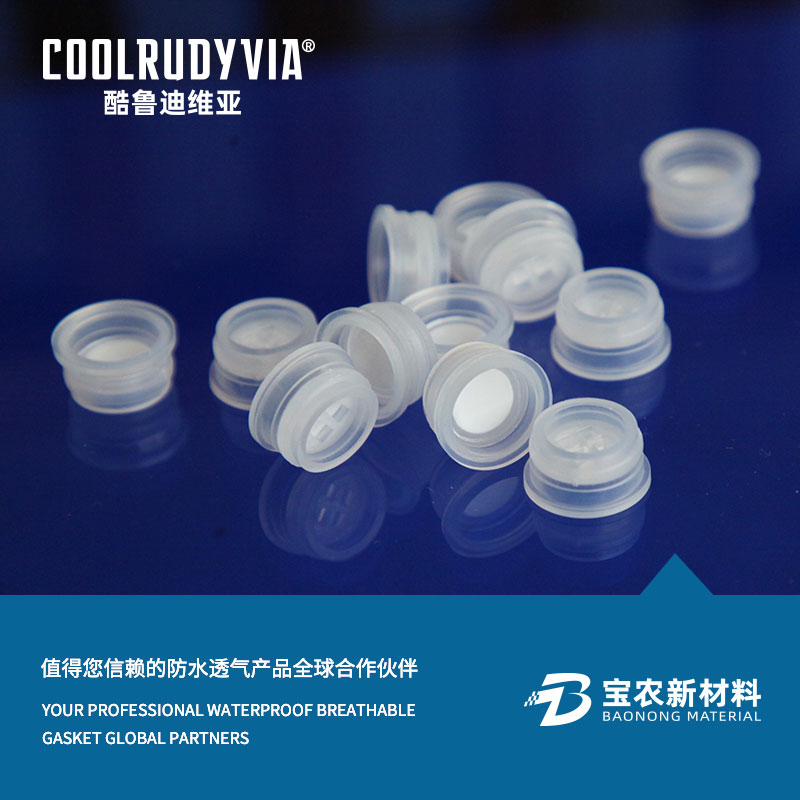
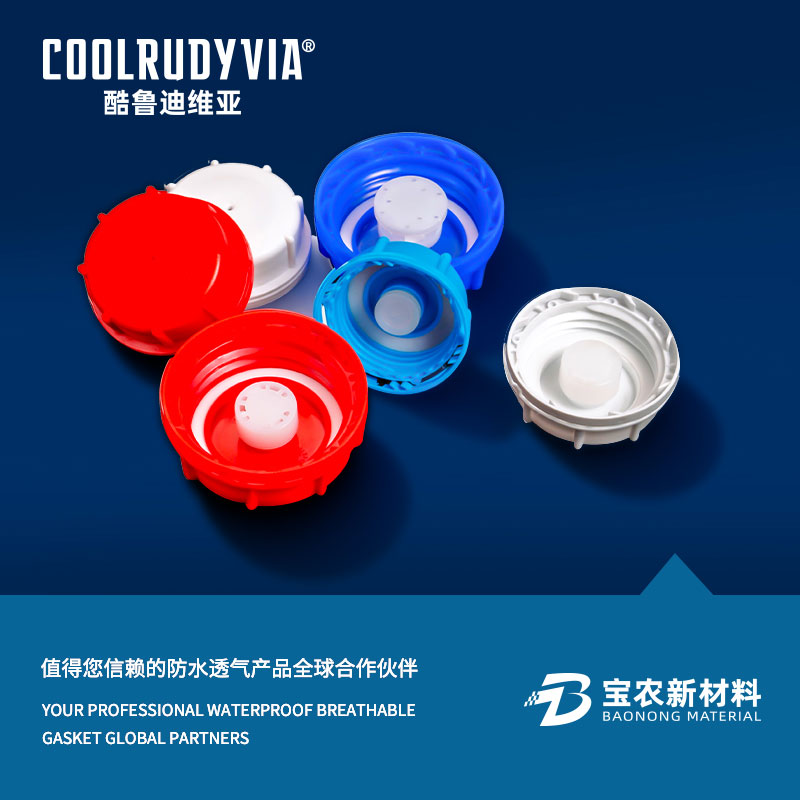
For packaging containers filled with pesticides or strong oxidizing liquids, the challenge lies in managing gas exchange without compromising the seal. These liquids often release gases that cause containers to bloat or collapse due to altitude or temperature changes. A high-quality Breathable Breather Plug For Packaging Containers solves this through specialized membrane technology.
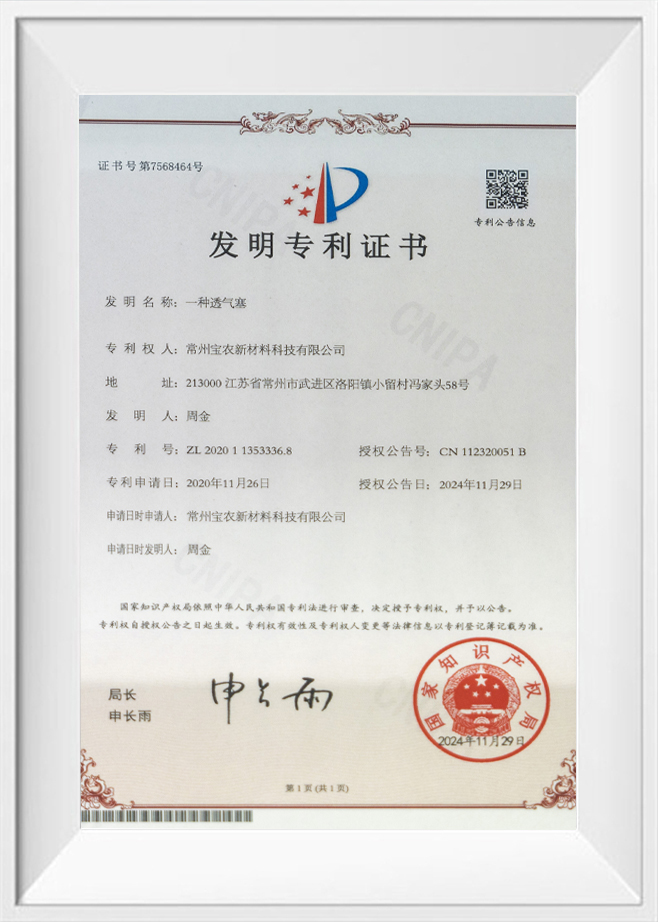
- Microporous ePTFE Technology: The core of the plug is an expanded Polytetrafluoroethylene (ePTFE) membrane. Its fiber structure features billions of micropores that are much smaller than a water droplet but larger than a gas molecule, allowing air to pass while blocking liquids.
- Oleophobic and Hydrophobic Surface Treatment: For agricultural chemicals containing surfactants or oils, the membrane is treated to achieve high oleophobicity. This prevents low-surface-tension liquids from "wetting" the membrane and leaking through the pores.
- Robust Structural Design: The plug housing is engineered to withstand the mechanical stress of vibration and impact during maritime or road transport, ensuring the membrane remains securely seated.
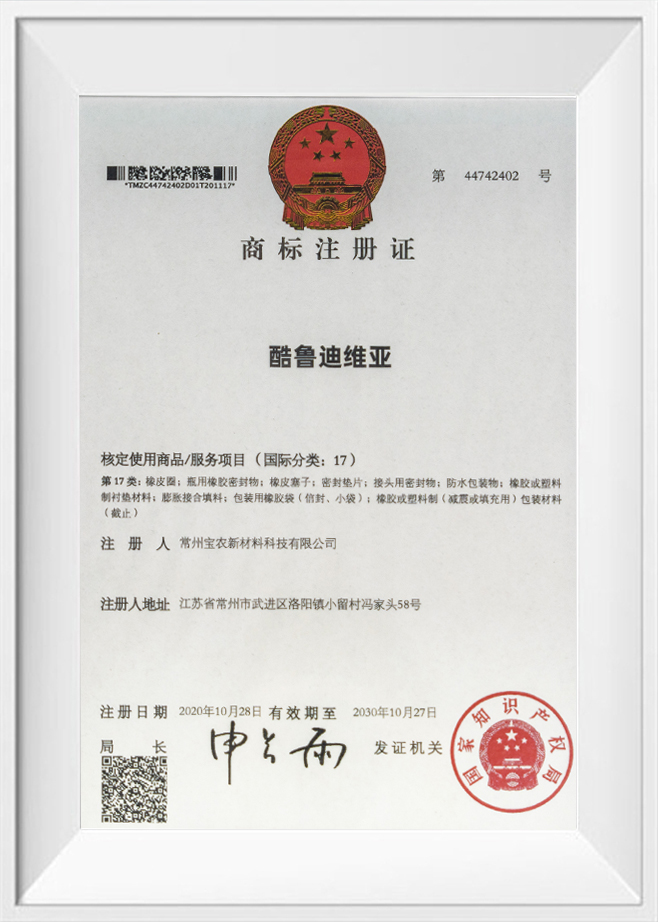
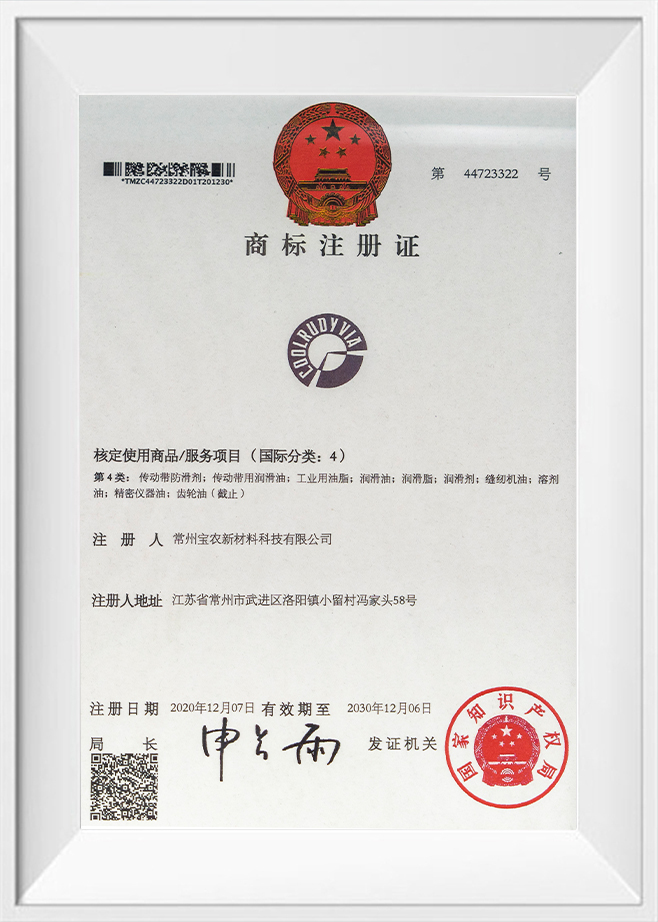
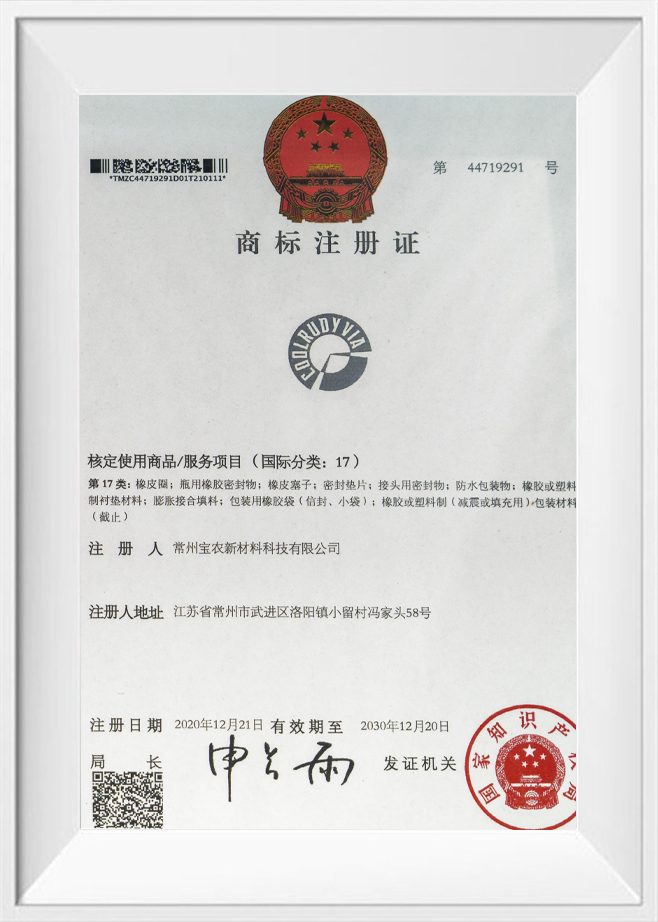
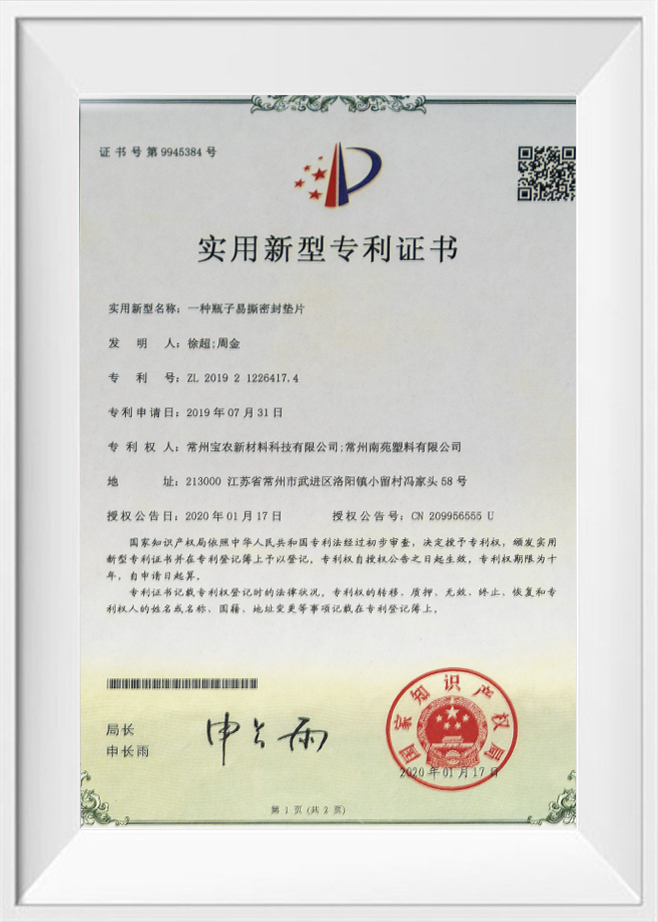
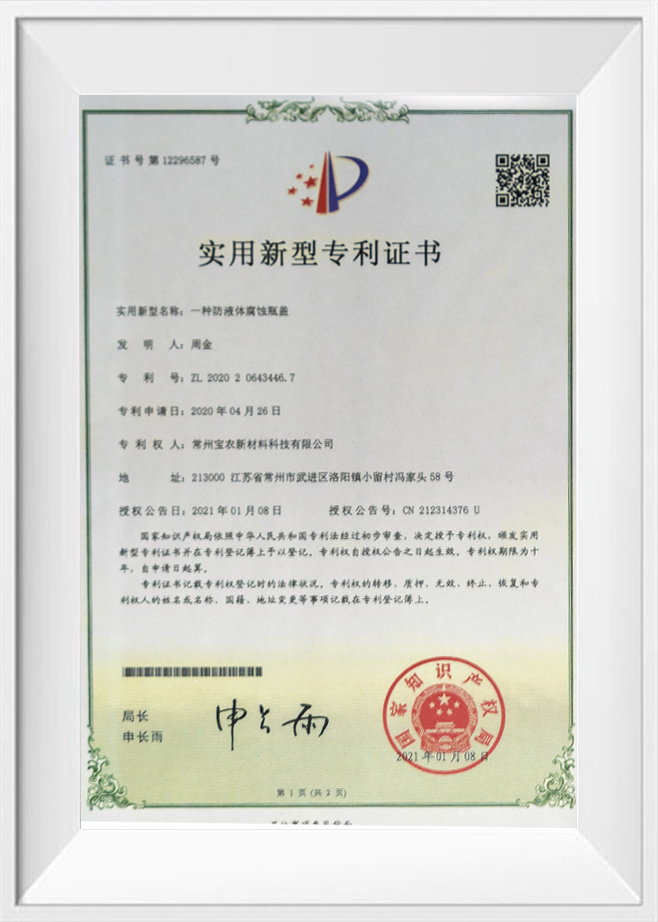
Changzhou Baonong New Material Technology Co., Ltd. has spent eight years mastering this delicate balance. Based in "Dragon City" (Changzhou), our company operates from a 6,000-square-meter standardized workshop dedicated to the R&D of breathable gaskets, plugs, and covers. Our products are engineered specifically for the pesticide and chemical industries, providing a "breathable yet waterproof" shield that ensures safety and stability from the factory floor to the end consumer.
Technical Parameter Comparison: Standard vs. Chemical-Grade Breather Plugs
The following table illustrates why specialized plugs are essential for aggressive liquid packaging:
| Feature | Standard Breather Plug | Pesticide-Grade (Baonong Solution) | Operational Benefit |
| Airflow (@70mbar) | 100 - 300 ml/min | 500 - 2000+ ml/min | Rapidly neutralizes high gas pressure |
| Water Entry Pressure (WEP) | >30 kPa | >100 kPa | Prevents leaks under heavy stacking pressure |
| Oil Rating (AATCC 118) | Grade 1-2 | Grade 7-8 (Oleophobic) | Resists surfactants and oily chemicals |
| Chemical Resistance | General | High (Acid/Alkali/Oxidizer) | Ensures long-term stability of the membrane |
| Operating Temp | -20°C to 60°C | -40°C to 120°C | Withstands extreme climate fluctuations |
Frequently Asked Questions (FAQ)
Q1: How does the manufacturing process impact the reliability of breather plugs?
Reliability is built into every step at Changzhou Baonong New Material Technology Co., Ltd. With over 90 sets of independent intellectual property-owned automated equipment, we achieve high-speed and precise production that eliminates human error. Every plug undergoes a rigorous dual inspection mechanism—automated testing followed by manual verification. This ensures that the breathable membrane is perfectly bonded to the plug, preventing the leaks often found in lower-quality alternatives.
Q2: Can these plugs be used for large-scale industrial chemical drums?
Absolutely. Changzhou Baonong New Material Technology Co., Ltd. offers a wide range of sizes and specifications for breathable products. Our integrated process—encompassing design, R&D, and production—allows us to scale our solutions from small beverage bottles to large pesticide packaging. Our 6,000sqm facility is designed to provide high-quality integrated manufacturing that meets the standardized needs of modern chemical logistics.
Q3: Why is oleophobic treatment necessary for pesticide-grade breather plugs?
Many pesticides contain surfactants that lower the surface tension of the liquid, allowing it to penetrate standard waterproof membranes. Changzhou Baonong New Material Technology Co., Ltd. utilizes advanced surface modification technology to make our membranes oleophobic. This ensures that even when the container is tilted or shaken during transportation, the liquid beads up and rolls off the membrane rather than soaking through, maintaining continuous airflow and "zero leakage" safety.