
 English
 中文简体
中文简体 Español
 عربى
عربى







Comprehensive Guide to ePTFE Vent Plugs for Automotive Applications
1. Product Overview and Technical Specifications
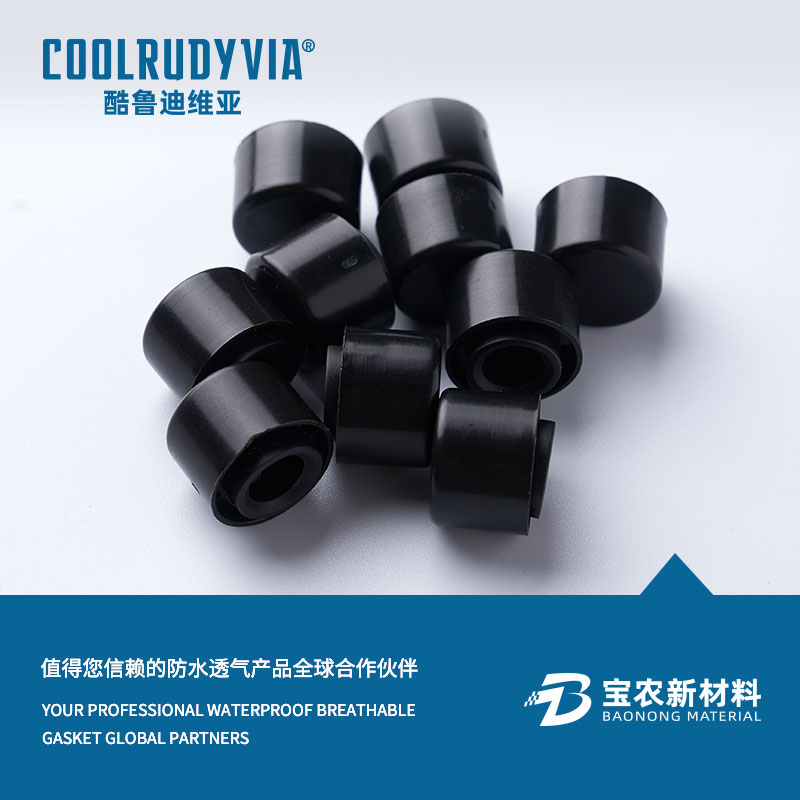
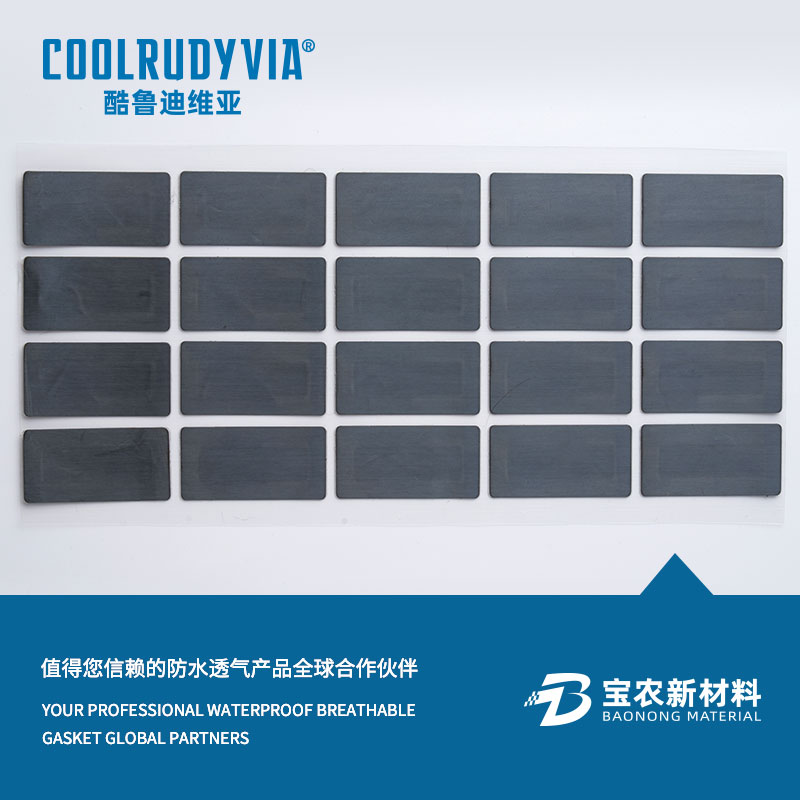
The ePTFE Vent Plug for Automotive is a precision-engineered component designed to safeguard sensitive automotive electronics. It utilizes a microporous expanded Polytetrafluoroethylene (ePTFE) membrane to achieve a critical balance: protecting components from external threats like water, dust, and automotive fluids, while allowing the free exchange of air to equalize pressure. This functionality is vital for maintaining the integrity and longevity of modern vehicle systems.
Key Product Parameters
| Product Name | ePTFE Vent Plug for Automotive |
| Core Function | Pressure Equalization & Waterproofing |
| Core Technology | Expanded Polytetrafluoroethylene (ePTFE) Membrane |
| Ingress Protection | IP67 / IP68 |
| Operating Temperature Range | -40°C to +125°C (-40°F to +257°F) |
| Key Applications | Automotive Headlamps, ECUs, Sensors, Battery Packs |
2. Core Technology: How ePTFE Achieves "Breathable Yet Waterproof"
The magic behind the ePTFE vent plug lies in its membrane's structure. This membrane contains billions of microscopic pores that are significantly smaller than a droplet of water but larger than water vapor molecules. This unique physical characteristic creates a barrier that effectively blocks liquid water and contaminants (achieving IP67/IP68 ratings) while permitting air and vapor to pass through seamlessly. This rapid pressure equalization prevents vacuum or pressure buildup that could cause housing deformation, seal failure, or condensation.
3. The Role of Protection Standards: IP67/IP68 in Automotive Electronics
In the harsh automotive environment, protection ratings are not just marketing terms; they are critical benchmarks for reliability.
- IP67: Ensures the component is completely dust-tight and can withstand immersion in water up to 1 meter deep for 30 minutes.
- IP68: Offers a higher level of protection against continuous immersion, with specific depth and duration defined by the manufacturer, often exceeding the IP67 standard.
For critical components like Electronic Control Units (ECUs) and sensors located in the engine bay or underbody, an ePTFE vent plug is essential to meet these stringent standards, ensuring long-term functionality and safety.
4. Application Spotlight: Preventing Fogging in Automotive Headlamps
One of the most visible applications of ePTFE vent plugs is in automotive lighting systems. Headlamps experience extreme temperature fluctuations—from the heat of the halogen or LED bulbs to the cold of a winter night. This causes the air inside the housing to expand and contract, creating a vacuum that can suck moisture past seals. This moisture then condenses on the cooler lens, creating fog that reduces visibility and detracts from the vehicle's aesthetics. An ePTFE vent plug continuously equalizes this pressure, preventing the initial vacuum formation and stopping condensation at its source.
5. Manufacturing Excellence: The Changzhou Baonong Commitment to Quality
The performance of an ePTFE vent plug is directly tied to the quality of its manufacturing. Changzhou Baonong New Material Technology Co., Ltd. exemplifies this commitment. Operating from a modern facility of over 6,000 square meters, the company has established itself as a leading integrated manufacturer of waterproof and breathable products.
Changzhou Baonong's production is powered by more than 90 sets of high-speed, precise, and reliable automated equipment, all protected by independent intellectual property rights. This advanced manufacturing line enables the company to deliver professional products with exceptional speed and consistency. To guarantee unwavering quality, every product undergoes a rigorous dual inspection mechanism, combining automated equipment testing with meticulous manual inspection. This process ensures that each vent plug is stable, reliable, and safe, helping customers build and maintain consumer trust.
FAQ
What is the difference between an ePTFE vent and a simple breather hole?
A simple breather hole offers pressure equalization but provides no protection against water, dust, or contaminants. An ePTFE vent, on the other hand, uses a specialized membrane that selectively allows air molecules to pass while creating an impermeable barrier to liquids and particulates. This makes it suitable for exposed applications where protection is critical, such as in exterior automotive lighting and electronics.
Can an ePTFE vent plug get clogged and fail over time?
While ePTFE is highly chemical resistant and durable, exposure to certain substances like oils, thick grease, or heavy particulate matter can potentially clog the pores over a very long period. However, in typical automotive applications, high-quality ePTFE vents are designed for the vehicle's entire lifespan. Manufacturers like Changzhou Baonong subject their products to rigorous testing, including dust and salt spray tests, to ensure long-term reliability and prevent clogging under real-world conditions.
How do I choose the right ePTFE vent plug for my application?
Selecting the right vent plug involves considering several key factors:
- Protection Rating (IP): Determine the required level of water and dust ingress protection (e.g., IP67 for splashes and temporary immersion, IP68 for continuous submersion).
- Air Flow Rate (Breathability): The required air flow rate, measured in ml/min/cm² at a specific pressure (e.g., 125 Pa), depends on the internal volume of the housing and the expected speed of temperature and pressure changes.
- Operating Temperature Range: Ensure the vent's materials can withstand the extreme temperatures of its installation location, from under-hood heat to winter cold.
- Chemical Resistance: Consider exposure to automotive fluids like brake dust, road salt, and battery electrolyte.
- Mounting Method: Choose a design (press-in, screw-in, snap-fit) that is compatible with your housing material and assembly process.
Why is pressure equalization so important for sealed electronic modules?
Pressure equalization is crucial for preventing two major failure modes in sealed electronics. First, when a sealed module heats up, the internal air pressure increases, which can stress and eventually rupture the housing or seals. Second, when it cools down, a vacuum is created inside. This vacuum can draw moisture past the seals, leading to short circuits, corrosion, and condensation (fogging). An ePTFE vent plug mitigates both risks by allowing air to flow in and out, keeping the internal and external pressure balanced and the internal environment dry.