
 English
 中文简体
中文简体 Español
 عربى
عربى
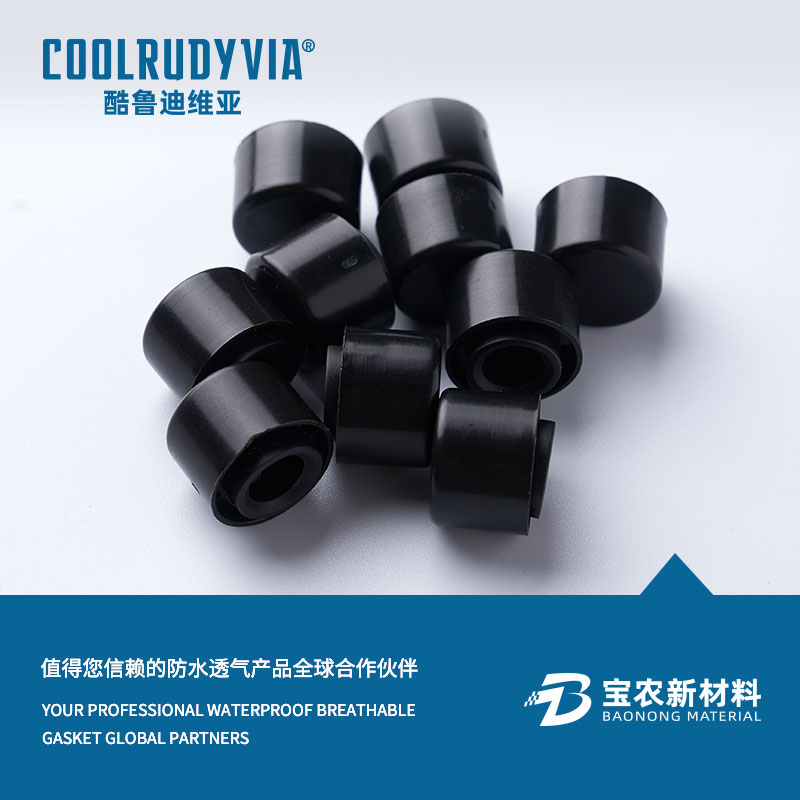
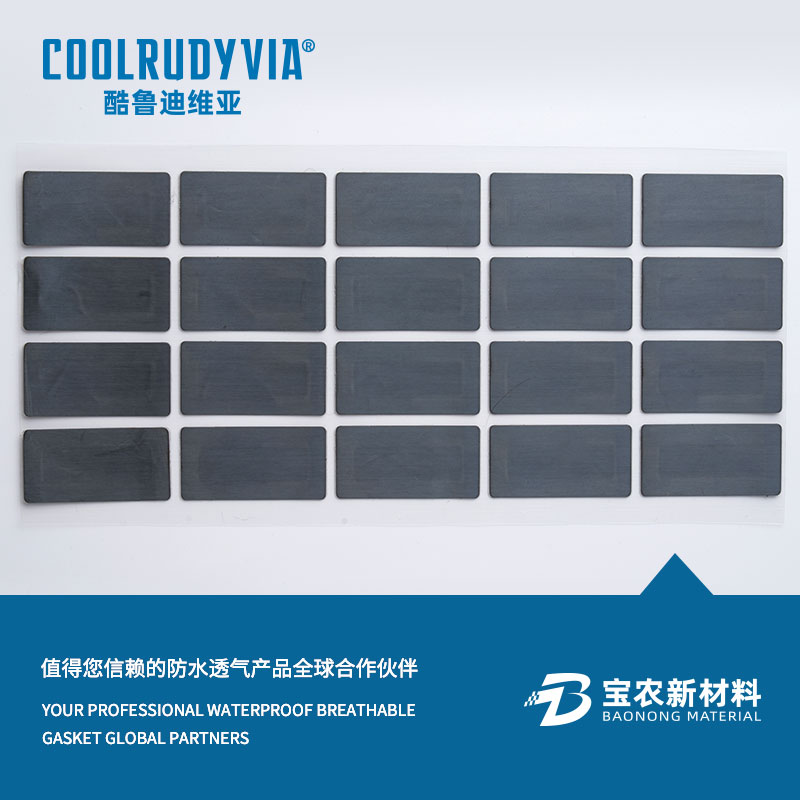

The Ultimate Guide to Waterproof Permeable Vent Membranes for Automotive Lighting
Foggy headlights are a common and potentially dangerous problem, often caused by moisture buildup inside the sealed housing. A Waterproof Permeable Vent Membrane for Car Lights is the engineered solution, allowing air to pass for pressure equalization while blocking water and contaminants. This guide details the technology, selection, and application of these critical components.
Core Technology and Working Principle
The membrane is typically made from ePTFE, featuring billions of microscopic pores. These pores are smaller than water droplets but larger than air molecules, creating a one-way barrier.
- Pressure Equalization: Allows air to flow freely, preventing vacuum or pressure buildup during temperature changes.
- Water & Contaminant Barrier: Blocks liquid water, dust, and dirt from entering the housing.
Key Selection Parameters
Choosing the correct membrane requires evaluating specific performance parameters to ensure reliability and longevity.
| Parameter | Description & Importance |
| Airflow Rate | Measured in liters per minute (L/min). Must be sufficient to equalize pressure during rapid temperature swings. |
| Water Entry Pressure (WEP) | The pressure at which water penetrates the membrane. A higher WEP indicates better waterproof performance. |
| IP Rating | Ingress Protection rating (e.g., IP67). Defines the level of protection against solids and liquids. |
| Temperature Range | Must withstand the extreme temperatures of the automotive environment (e.g., -40°C to +125°C). |
| Adhesive Performance | The backing adhesive must form a permanent, airtight seal on various plastics (PC, ABS) and withstand aging. |
Design and Integration for Automotive Lights
Successful integration is crucial for the membrane to function as intended throughout the vehicle's life.
Optimal Placement and Installation
The vent should be positioned in a location shielded from direct water jets (e.g., behind trim). The surface must be clean and flat. A peel-and-stick design facilitates fast, reliable, and automated assembly in high-volume manufacturing.
Ensuring Long-Term Reliability
Partnering with a manufacturer that controls the integrated process from design to production is key. This ensures the membrane, adhesive, and its housing design are validated together for performance under vibration, thermal cycling, and chemical exposure.
Why ePTFE is the Preferred Material
ePTFE (expanded Polytetrafluoroethylene) is the industry standard for high-performance vent membranes due to its unique properties:
- Chemically Inert: Resists degradation from fuels, oils, cleaners, and road salts.
- UV Stable: Does not degrade under prolonged sunlight exposure.
- Durable: Maintains its micro-porous structure and mechanical integrity through extreme temperature cycles.
Applications Beyond Automotive Lighting
The principle of managing pressure and moisture extends to many industries. Advanced manufacturers apply this technology to:
- Packaging: Releasing gas in beverage or pesticide containers to prevent bulging.
- Electronics: Protecting outdoor sensors and communication devices from condensation.
- Medical Devices: Allowing sterilization while maintaining a sterile barrier.
FAQ
Can I install a vent membrane on any headlight to stop fogging?
While vent membranes are highly effective for managing condensation caused by pressure differentials, they are designed for integration during manufacturing. Retrofitting one onto a headlight not originally designed for it is complex and may not be effective if the primary cause of moisture is a physical crack or a failed main seal elsewhere in the housing.
How can I tell if a vent membrane has failed?
The primary signs of failure are persistent, heavy condensation inside the headlight that does not clear, or visible water pooling. This indicates the membrane is clogged, the adhesive seal is broken, or the membrane's waterproof barrier is compromised. In cases of failure, the membrane must be replaced.
Do vent membranes affect the headlight's beam pattern or output?
No, a properly functioning vent membrane has zero impact on light output or beam pattern. It is a passive component that manages air pressure and humidity within the housing cavity behind the lens and reflector, not in the optical path itself.
What is the expected lifespan of a quality automotive vent membrane?
A vent membrane manufactured with automotive-grade ePTFE and adhesive, such as those produced by specialized suppliers, is designed to last the lifetime of the vehicle. This is validated through rigorous accelerated life testing simulating years of environmental exposure.
Are there different types of vent membranes for LED vs. Halogen headlights?
The core function is the same. However, LED headlights often have different thermal profiles and internal geometries. A proficient manufacturer will tailor the membrane's airflow rate and adhesive properties to match the specific requirements of the light assembly, whether for halogen, HID, or LED systems.