
 English
 中文简体
中文简体 Español
 عربى
عربى
Waterproof Permeable Vent Membrane for Car Lights: Selection Guide and Benefits
 2026.08.10
 Industry News
Content
- 1 Why Car Light Housings Need a Waterproof Permeable Vent Membrane
- 2 How the Membrane Balances Pressure and Blocks Water
- 3 Common Car Light Failures That a Vent Membrane Solves
- 4 Key Selection Criteria for Car Light Vent Membranes
- 5 Why Manufacturing Consistency and Quality Control Matter
- 6 Choosing the Right Venting Solution
Why Car Light Housings Need a Waterproof Permeable Vent Membrane
Every time a driver switches on the headlamps, the air inside the lamp housing heats up quickly. When the lamps are turned off, the air cools and contracts. This repeated heating and cooling creates a pressure differential between the housing and the outside atmosphere. If the housing is sealed too tightly, the flexible seals and adhesive joints take the stress, and moisture can be pulled in through weak points. A waterproof permeable vent membrane is a small but critical component that prevents this. It equalizes pressure continuously while keeping liquid water, dust, and road debris out.
Without pressure equalization, condensation on the lens becomes likely, gaskets can deform, and optical components can suffer long-term damage. This is closely related to why pressure balance is critical for sealed enclosures. Condensation is the most visible symptom because water vapor enters the housing when the pressure difference reverses and then condenses on the cool lens. A reliable vent membrane addresses the root cause instead of treating the visible fogging. It also helps protect LED drivers, reflectors, and electrical connectors from moisture-related corrosion.
Modern vehicle lighting includes LED headlamps, HID projectors, tail lamps, fog lamps, and daytime running lamps. Each application has its own thermal profile and mounting position. A front headlamp is exposed to high-temperature engine heat, direct sunlight, washer fluid, and insect impact. A rear tail lamp sits lower and faces spray from wet roads. Both need the same basic function—venting—but the correct membrane specification may be different. That is why an automotive-grade vent membrane should be selected based on real usage conditions, not just a generic part number.
How the Membrane Balances Pressure and Blocks Water
Microporous Structure
The most common material for this function is expanded polytetrafluoroethylene (ePTFE). It contains a network of microscopic pores. Air molecules, which are much smaller than water droplets, pass freely through those pores. Liquid water, on the other hand, is held back by the membrane’s low surface energy and the water entry pressure of the pore structure. This combination is what makes the membrane both permeable to gas and waterproof to liquid.
Pressure Equalization and Condensation Control
When the lamp heats up, excess gas escapes through the membrane. When it cools, outside air can re-enter without letting water in. The membrane effectively makes the housing breathe. This continuous exchange stabilizes internal pressure and reduces the chance of water vapor reaching its dew point inside the housing. For a more detailed view, venting solutions that prevent condensation in enclosures explain how the same mechanism works in sealed equipment.
While ePTFE is common, the membrane is only part of the system. The membrane is often bonded to a carrier layer or welded into a plastic housing. The bond line must be strong enough to survive assembly handling and thermal expansion differences between the membrane and the lamp housing. A failure at the bond line can turn an otherwise good membrane into a leak path.
Common Car Light Failures That a Vent Membrane Solves
Automotive light housings must survive extreme changes in temperature, road vibrations, water spray, salt, and cleaning chemicals. The table below summarizes the most common failure modes and how a vent membrane responds.
| Problem | Failure mechanism | How the membrane helps |
|---|---|---|
| Pressure differential | Seals deform, joints open under repeated thermal cycling | Allows air to flow in and out, keeping pressure close to atmospheric |
| Condensation | Water vapor enters and condenses on the lens at low temperatures | Limits water vapor entry and reduces internal humidity |
| Dust, dirt, and road splash | Contaminants enter through unsealed openings and degrade optics | Hydrophobic membrane blocks particles and liquid water |
| Wash chemicals and salt | Aggressive fluids attack seals and internal components | Chemically resistant membrane shields the interior from exposure |
Key Selection Criteria for Car Light Vent Membranes
Choosing a membrane starts with the operating environment, housing volume, and assembly method. A practical automotive ePTFE vent selection guide can help you turn those requirements into a component specification.
Air Flow and Pressure Balance Requirements
Select a membrane with enough air flow for the internal volume of your lamp. A large headlamp housing with a powerful light source generates a faster pressure rise than a small tail lamp. Flow rate is usually expressed at a defined pressure drop, and the supplier should confirm that the membrane maintains adequate venting under the worst-case operating temperature range. Too little flow leads to pressure buildup; too much flow is rarely a problem, but it can allow more humidity exchange if the membrane is oversized.
Water Ingress Protection and Chemical Resistance
Water entry pressure (WEP) tells you how much hydraulic pressure the membrane can withstand before water passes through. Components mounted lower on the vehicle face more splash and possible submersion, so the required WEP varies by lamp position. Also consider cleaners, washer fluid, road salt, and ultraviolet exposure. These can degrade the membrane, the adhesive, or the carrier layer. ePTFE itself is highly stable, but the entire vent assembly must be durable.
Temperature and Thermal Cycling
Car lights can experience rapid swings from below freezing to high operating temperatures. The vent membrane and its attachment method must survive these cycles without losing adhesion or becoming brittle. Check the continuous operating temperature and the short-term peak temperature for the lamp. Some headlamp vents also need to function when the lens is covered with ice or snow, so the membrane should maintain enough air flow even at low temperatures.
Mounting and Integration Options
Vent membranes can be supplied as pressure-sensitive adhesive patches, die-cut discs, or integrated into a plastic cap that snaps into the housing opening. The right format depends on your assembly process, available space, and whether the vent must also serve as a dust cover. A cap-style vent is often easier to install and replace, while an adhesive membrane patch is thinner and lighter. For example, you can start with a dedicated automotive waterproof permeable vent membrane for direct lamination, or use pre-assembled automotive vent caps that snap into the housing and align the membrane automatically.
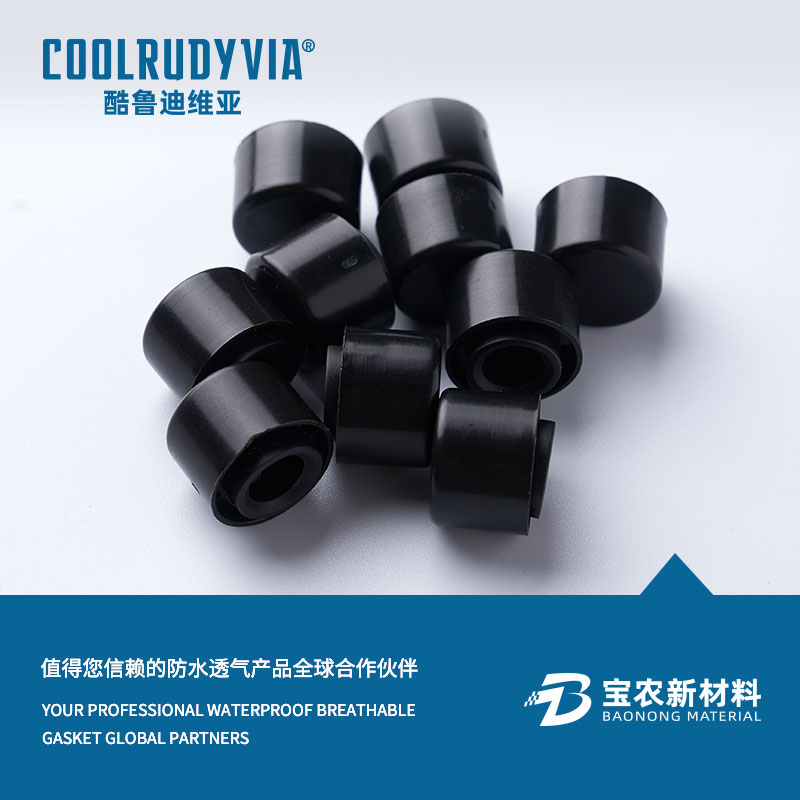 Custom Vent Cap For Automotive Lamps Manufacturers, FactoryChangzhou Baonong New Material Technology Co., Ltd. Is China Vent Cap For Automotive Lamps Manufacturers, Factory, We Offer Custom Waterp...View Product →Custom Waterproof Permeable Vent Membrane For Car LightsWe Offer Custom Waterproof Permeable Vent Membrane For Car Lights, Baonong Is China Car Lights Vent Membrane With Adhesive Backing Manufa...View Product →
Why Manufacturing Consistency and Quality Control Matter
Automotive lighting components operate under vibration, high temperature, and moisture for years. A tiny defect in the membrane or adhesive can lead to water ingress. That is why the supplier's production process matters as much as the membrane specification. When the same factory handles ePTFE processing, cap molding, and final assembly, the interface between the membrane and the housing can be controlled more tightly. Automated inspection and manual checking used together help catch visual and dimensional defects before components are shipped.
An integrated manufacturer such as Changzhou Baonong New Material Technology Co., Ltd. combines membrane production, component manufacturing, and quality verification under one roof. This approach supports faster sampling, clearer communication, and better traceability for automotive customers. It also makes it easier to provide an integrated breathable membrane and cap assembly when your design needs a ready-to-install vent.
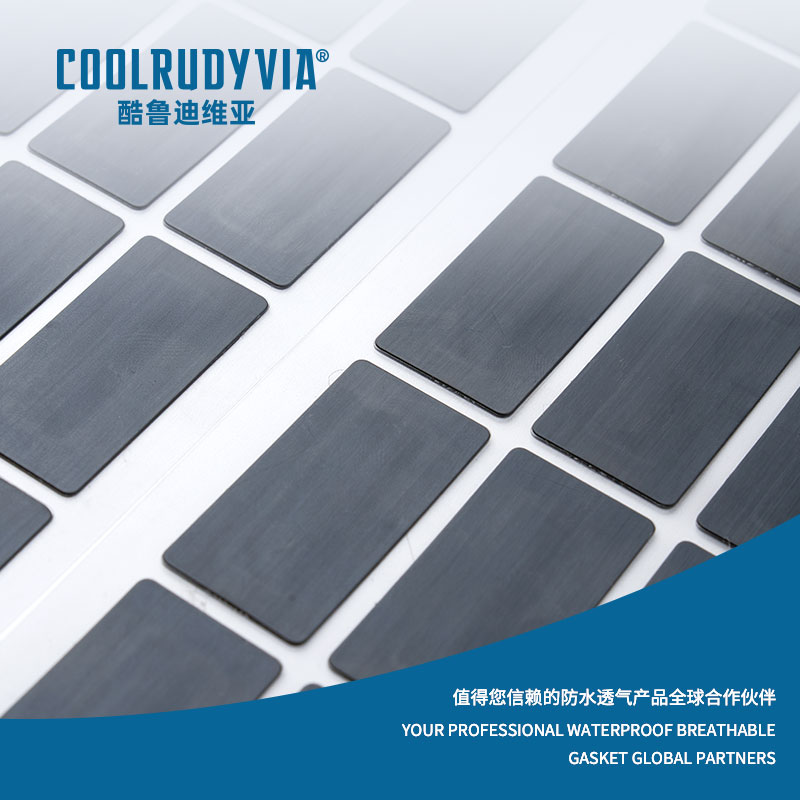 Wholesale ePTFE Vent Membrane/Cap For Automotive Lamps SuppliersChangzhou Baonong Offer Wholesale IP67/IP68 ePTFE Vent Membrane/Cap For Automotive Lamps, We Are China ePTFE Vent Membrane/Cap Suppliers,...View Product →
Compliance is another layer. Automotive customers often require components to meet internal specifications, electrical standards, or customer-specific testing. A mature supplier can provide data sheets, dimensional reports, and material declarations. They should also be able to run or coordinate validation tests such as IP rating, thermal shock, and vibration resistance. This reduces the risk of discovering a problem after the lamps are already in production.
Choosing the Right Venting Solution
Selecting a waterproof permeable vent membrane for car lights is not just about picking a material from a catalog. It is about matching air flow, water entry pressure, thermal endurance, and mounting format to the specific lamp design. Test prototypes under real temperature cycles and pressure differences. Observe how the membrane behaves when the lens is hot, when the car is washed with a high-pressure cleaner, and when the outside temperature drops overnight. Work with a supplier that can provide the required documentation and compliance testing, and that can deliver consistent quality at production volume.
A vent membrane is a small part, but it has a large effect on the reliability of the lamp, the clarity of the lens, and the confidence of the driver. With the right specification and a proven manufacturer, the vent becomes a quiet, long-term solution rather than a recurring problem.

-
Phone Number
+86 138 6105 7907
-
Address
No. 58 Fengjiatou, Xiaoliu Village, Luoyang Town, Wujin District, Changzhou, Jiangsu, China
Copyright © Changzhou Baonong New Material Technology Co., Ltd.All rights reserved
PrivacyCustom Waterproof Breathable Membranes/Gaskets/Plugs/Caps